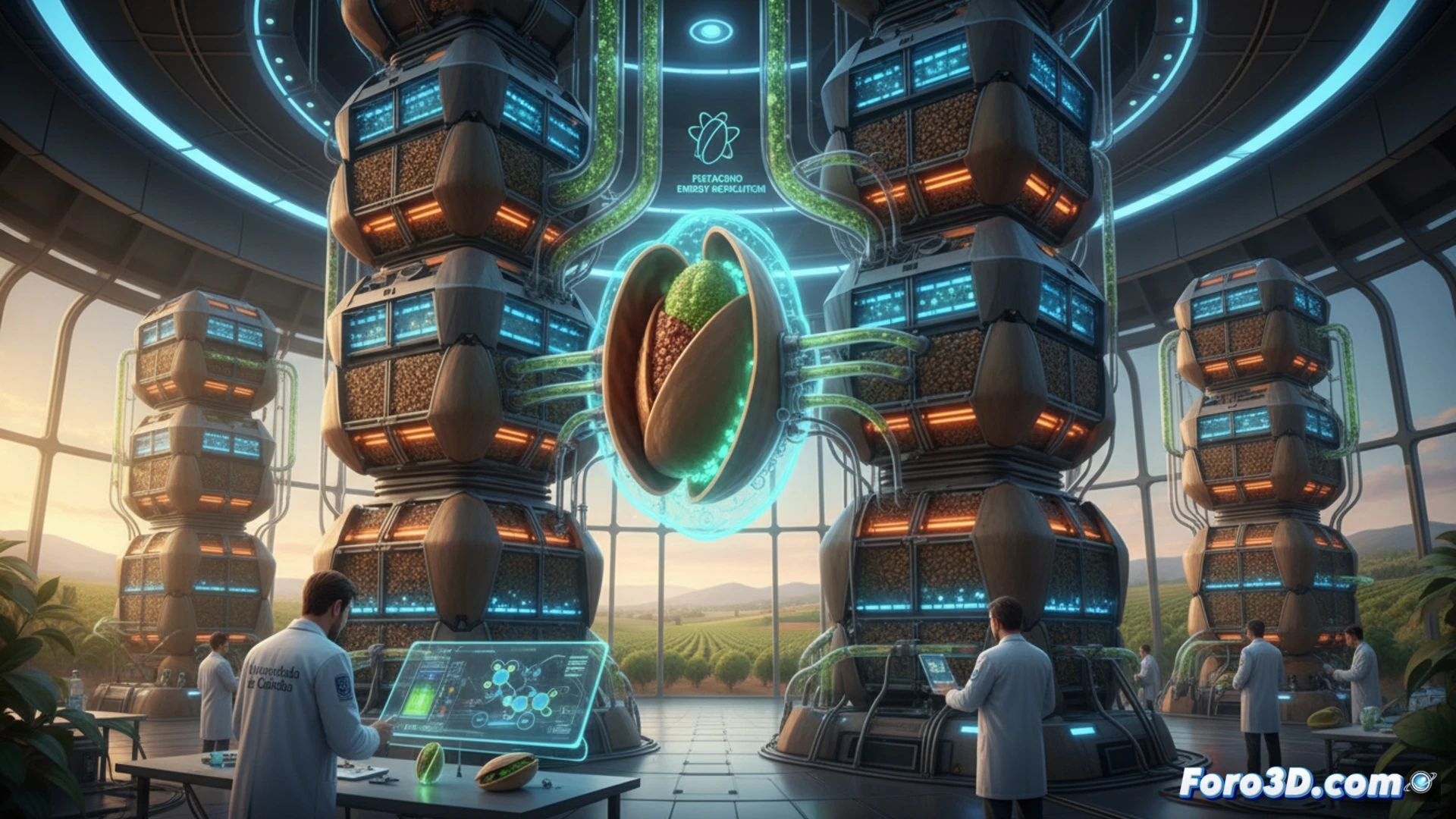
A team from the University of Córdoba has created a sodium-sulfur battery that uses pistachio shells as a key material. Unlike lithium batteries, which depend on scarce and conflict-ridden metals, this proposal uses abundant and cheap resources. The result is a cleaner, more economical technology with greater storage capacity.
Recycled shells to trap sulfur and prevent degradation 🛡ï¸?/h2>
The secret lies in converting pistachio shells into microporous carbon. This material acts as a cage that physically traps the sulfur in the cathode, preventing the shuttle effect, the main cause of degradation in sulfur batteries. Thus, the cell achieves 803 mAh·g⁻Â?of specific capacity and withstands more than 1,000 stable charge cycles, storing up to five times more energy per gram than lithium batteries.
Pistachios: the snack that saves the world (and your phone) 🥜
Until now, pistachio shells only served to dirty the table or justify an empty bag. But it turns out that, turned into carbon, they are more useful than many conflict minerals. Next time someone gives you a dirty look for eating pistachios at work, tell them you're investing in R&D. Of course, don't try to charge your phone with a shell directly; the process has its science.