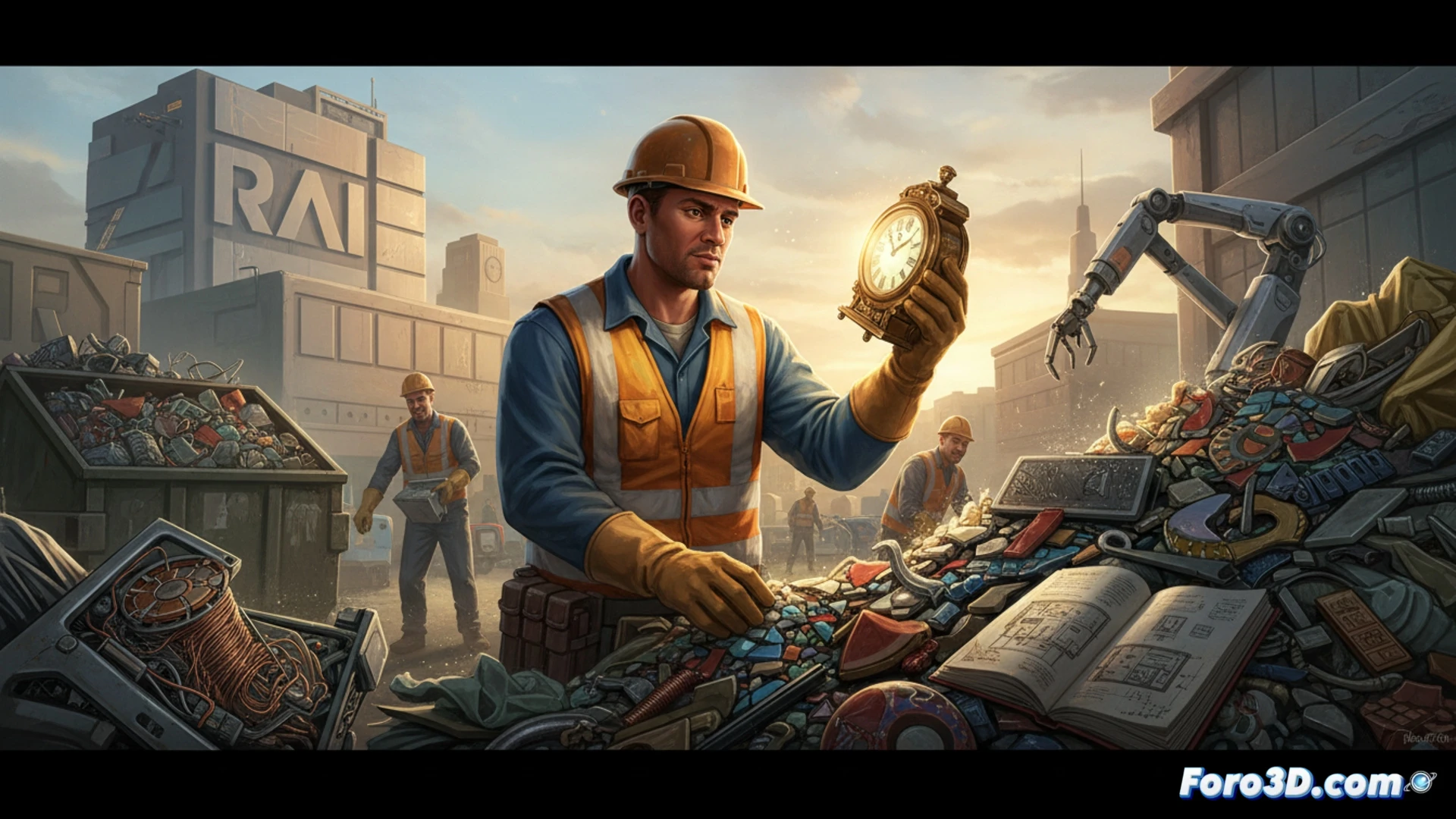
A study by the RAI Institute rethinks what makes a job dirty, tedious, or dangerous, challenging previous ideas about automation. Garbage collection, considered a monotonous job, reveals a hidden complexity. Factors such as task variability, social interaction, and a sense of purpose can make certain trades not as undesirable as thought, questioning what we should actually automate.
Selective automation: when the machine is not the solution 🤖
The RAI analysis suggests that automation should not focus solely on eliminating repetitive tasks, but on evaluating the human value of each position. For example, a garbage collector faces changing routes, unpredictable weather, and contact with neighbors, elements that generate engagement. In contrast, an office job with standardized processes and low interaction could be more prone to robotization. The key is to measure cognitive and social load, not just physical effort.
Your boss thinks you're happy, but the trash is calling you 🗑️
While the RAI discovers that collecting waste has more purpose than tweeting from an ergonomic chair, management gurus continue selling pills of workplace happiness. Perhaps the next startup unicorn will be an exchange service: stressed office workers for garbage collectors with a sense of community. Of course, make sure the contract includes thick gloves and a Spotify subscription for rainy days.