Professional dance is a discipline that demands extreme physical performance, exposing the artist to acute and chronic musculoskeletal injuries such as sprains, fractures, tendinitis, and tears. Added to this are factors like audition stress, fatigue, and eating disorders stemming from aesthetic pressure. However, 3D technology offers an innovative way to mitigate these dangers, transforming occupational risk prevention in the sector.
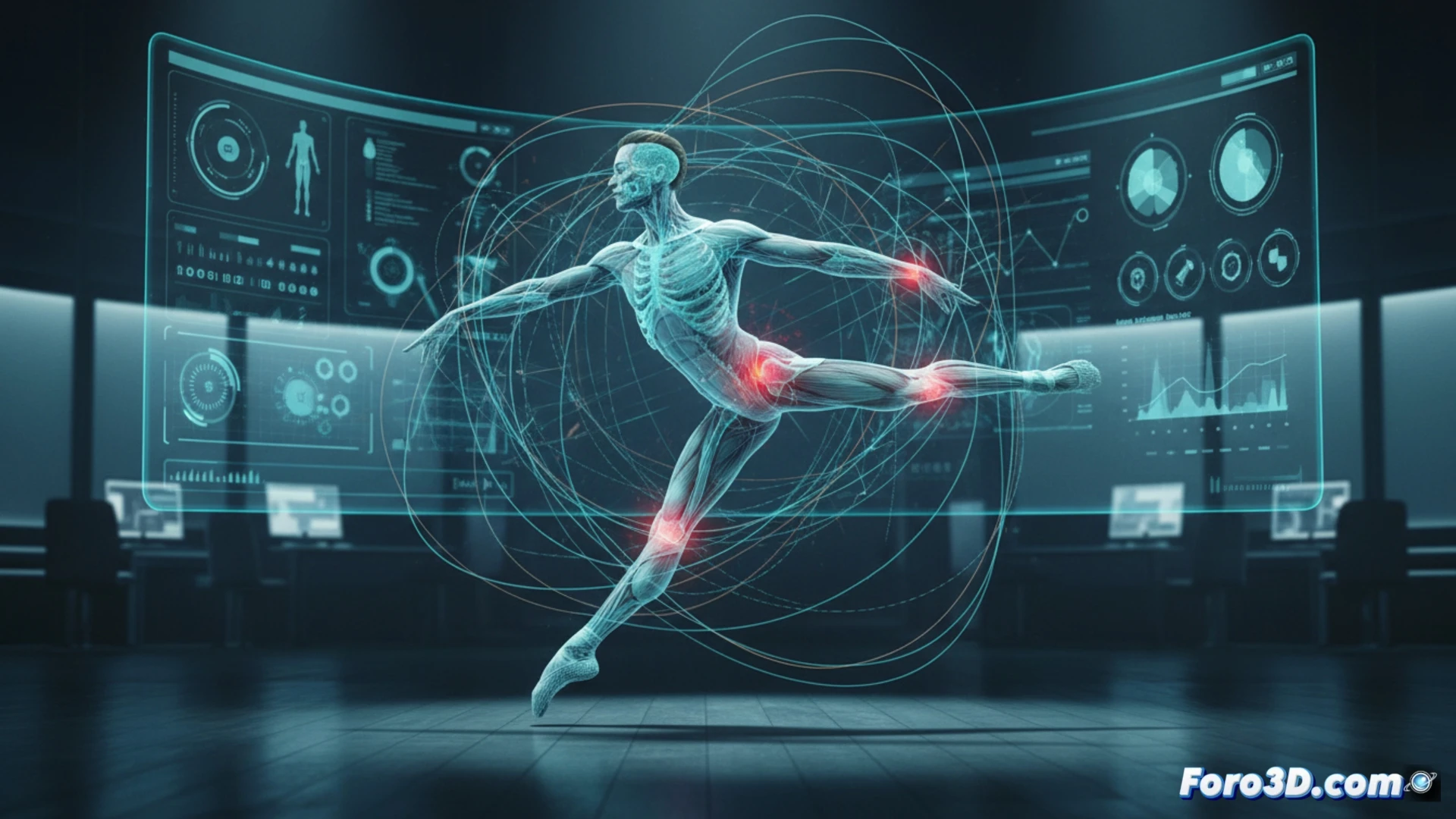
Biomechanical simulation and stress mapping 🩰
The integration of motion capture sensors and 3D simulation software allows for the creation of digital twins of the dancer. These virtual models visualize joint trajectories and muscle stress maps in real time during each turn or jump. By analyzing forced postures and overexertion, biomechanics experts can predict joint wear and injury risk before they occur. Additionally, impact simulations help design safer choreography, reducing falls and optimizing technique without compromising artistic expression.
The future of safe dance 💃
The convergence of sports and 3D technology not only improves performance but also redefines the dancer's occupational health. By detecting patterns of fatigue and mechanical stress, rehearsal loads and diets can be adjusted, combating eating disorders from an objective approach. This predictive analysis turns prevention into an everyday tool, allowing the art of dance to evolve without sacrificing the well-being of its performers.
How can 3D motion analysis identify overload patterns in a dancer before an injury manifests?
(PS: at Foro3D we know that a penalty simulated in 3D always goes in... unlike in real life)