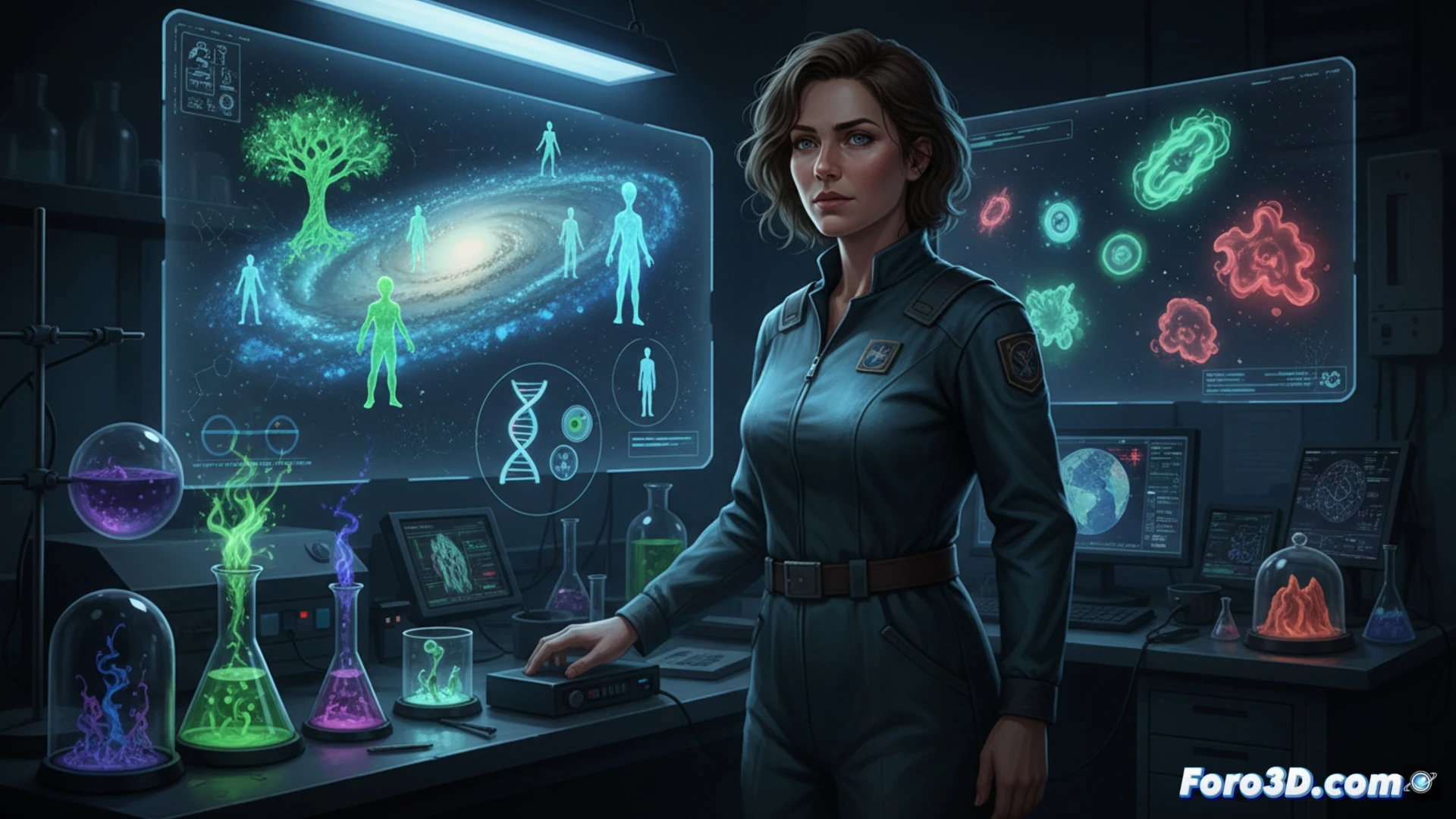
Astrobiologist Loes ten Kate has published a warning in Nature Astronomy that shakes the foundations of exobiology. She argues that our methods of searching for extraterrestrial life are biased toward forms similar to those on Earth. This approach, based on our own biochemistry, could generate false negatives and ignore real evidence of alien organisms, with critical consequences for space exploration.
Martian minerals and the carbon bias 🪐
Ten Kate points out that certain minerals on Mars exhibit atypical oxidation, a possible indication of biological processes undetected by our instruments. The bias toward carbon-based life and liquid water limits the ability to identify alternative metabolisms. If we do not correct this bias, we could prematurely exploit resources on other planets, destroying ecosystems we do not recognize as living. Current technology needs to broaden its detection spectrum to avoid this mistake.
NASA looks for neighbors, but only if they wear a carbon suit 🤖
Imagine a silicon Martian knocking on Curiosity's door and the rover ignoring it for lacking DNA. Loes ten Kate reminds us that we are like a fisherman who only casts nets for fish but complains that the sea is empty. Meanwhile, we could be drilling into the garden of a sulfuric acid alien. Next time, better bring a sign that says: Life wanted, but don't be picky 😉.