Arkon, the warrior of Polemachus, hurls javelins of pure energy to defend his dimensional world. Created by Roy Thomas and John Buscema at Marvel, this character is not just a superhero; he is a symbol of armed resistance with technology. His design, with classic armor and kinetic rays, offers a perfect case study to analyze how 3D modeling can translate narratives of cultural defense into visual activism.
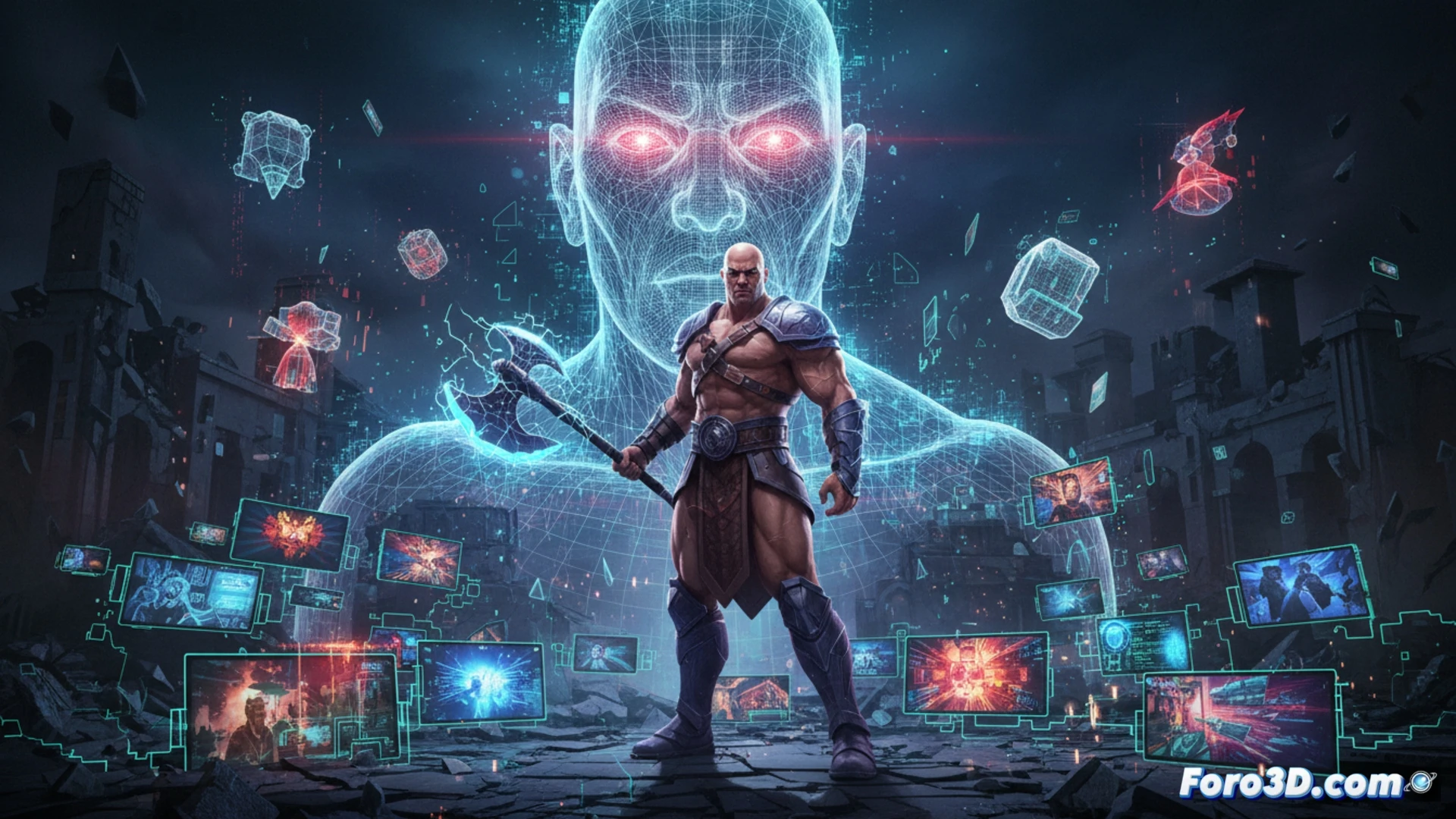
Modeling energy weaponry and defense narrative ⚡
To represent Arkon in 3D, the greatest technical challenge lies in his energy projectiles. In Blender or ZBrush, particles with light emitters and procedural textures can be used to simulate the glow of the javelins. The key is contrast: a dark, misty background for Polemachus against sharp, directional lines of light. This not only highlights the character's power but also visually reinforces his role as the defender of a threatened community. The model's posture must convey tension and protection, not aggression, to align the design with a message of just resistance.
The superhero as an icon of visual activism 🛡️
By recreating Arkon in 3D, the artist can insert subtle political symbolism, such as runes from his home world on the armor or colors evoking the flags of real peoples in struggle. Digital art ceases to be mere aesthetics and becomes a manifesto. Modeling a warlord who protects his dimension with rays of light is an act of technical empathy: giving shape to the resistance of those without a voice, using comics as a bridge between entertainment and social vindication.
Could this work function as an interactive installation in a museum?