Arken Age arrives like a breath of fresh air for virtual reality, proving that the medium's visual limits can be broken. Developed in Unreal Engine 5, this sci-fi and fantasy title uses Nanite and Lumen to deliver hyper-detailed textures and dynamic global illumination that reacts to the player's energy weapons. It's not just a game; it's a statement of intent about the future of immersion.
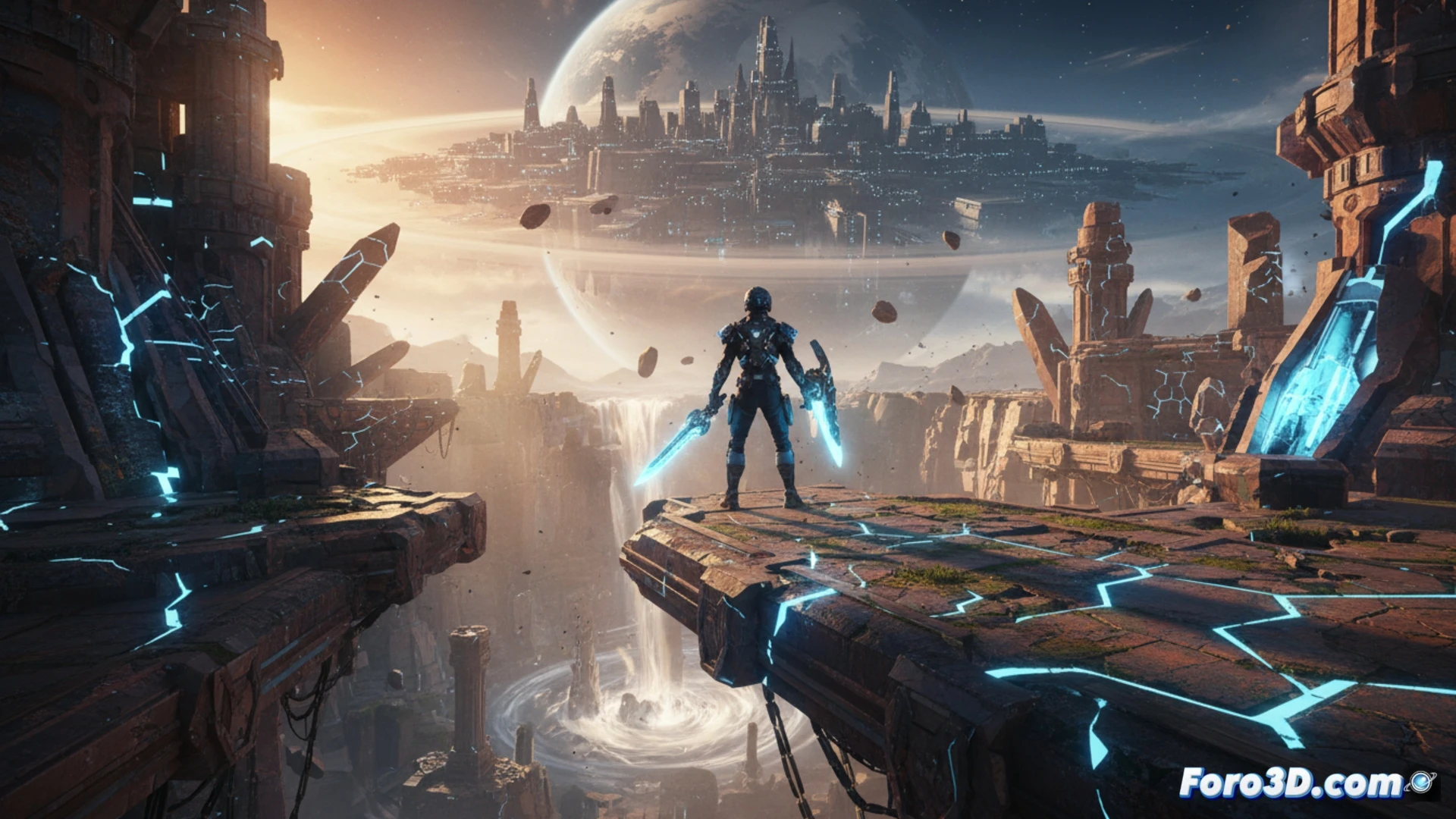
Nanite and Lumen: Breaking the Technical Barriers of VR Rendering 🚀
Traditionally, VR has sacrificed geometric fidelity to maintain stable frame rates. Arken Age eliminates this compromise by employing Nanite, UE5's virtualized geometry technology, which allows managing billions of polygons without compromising performance. Added to this is Lumen, which generates dynamic global illumination in real-time; each energy shot alters the lighting environment, creating shadows and reflections that anchor the player to the virtual world. The production pipeline, supported by Autodesk Maya for base modeling, ZBrush for sculptural detail, and Substance Painter for PBR texturing, ensures that every asset maintains impeccable visual coherence even under the scrutiny of high-resolution headsets.
Implications for the Future of Virtual Reality 🔮
Arken Age not only competes with titles like Half-Life: Alyx but surpasses it in graphical density, setting a new technical baseline for VR. The use of these tools demonstrates that the game engine has matured enough to support immersive experiences without compromises. Going forward, we will see more studios adopting this software combination, forcing the industry to reconsider what is possible in virtual reality. The question is no longer whether it can be done, but what narrative deserves this level of detail.
Can Arken Age with Unreal Engine 5 establish a new graphical standard for virtual reality without sacrificing performance on current hardware?
(PS: and if you get dizzy with VR headsets, you can always blame the coffee)