While the Senate has already closed the door on betting in prediction markets, the U.S. House of Representatives continues to allow lawmakers and staff to bet on political, sports, and cultural events. Despite bipartisan criticism, billions of dollars change hands every week on platforms like PredictIt or Polymarket, without an explicit ban in the chamber.
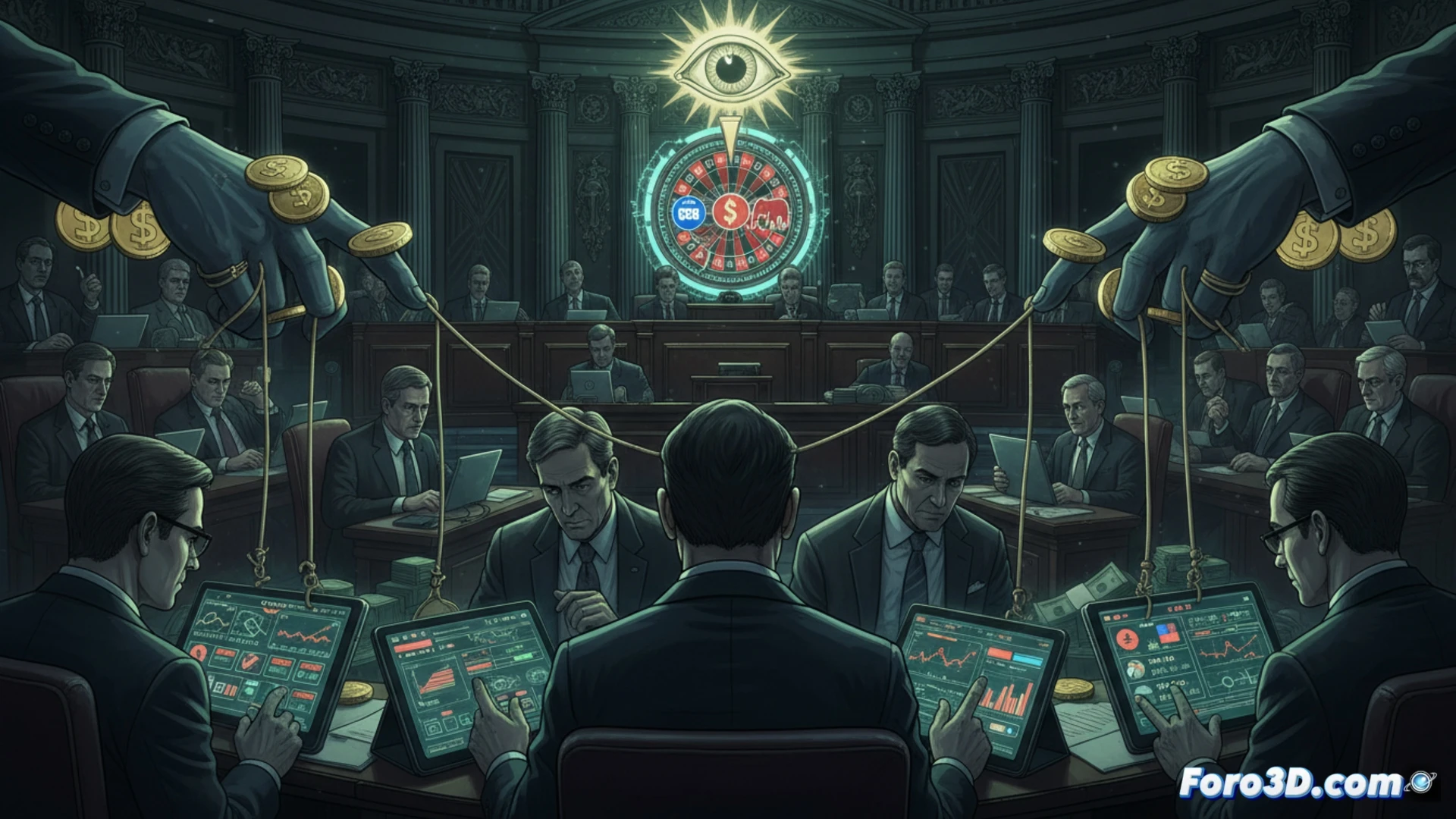
The Technical Architecture of Prediction Markets 🧠
These markets operate with smart contracts on blockchains like Ethereum, using decentralized oracles such as Chainlink to verify outcomes. Liquidity is pooled in automated order books and algorithmic market makers that adjust prices in real-time based on perceived probability. The lack of federal regulation allows anyone, including officials, to purchase shares of future events, from election results to Fed decisions.
Betting Against Ethics: A Lucrative Business 💰
Perhaps congressmen don't need lobbying if they can bet directly on whether they will pass a law or not. It's more honest than a bribe: if you lose, at least you know it was your bad intuition, not a poorly counted briefcase. As long as the House doesn't ban it, politicians can keep covering their bets... and ours.