A study published in Nature Communications reveals that antibodies transmitted from mother to child during pregnancy and breastfeeding reduce the risk of periodontal diseases in adulthood. These antibodies program the baby's oral immune system to distinguish harmless bacteria from pathogens, specifically targeting the Pasteurellaceae family, linked to aggressive periodontitis. The finding opens avenues for preventive strategies during pregnancy.
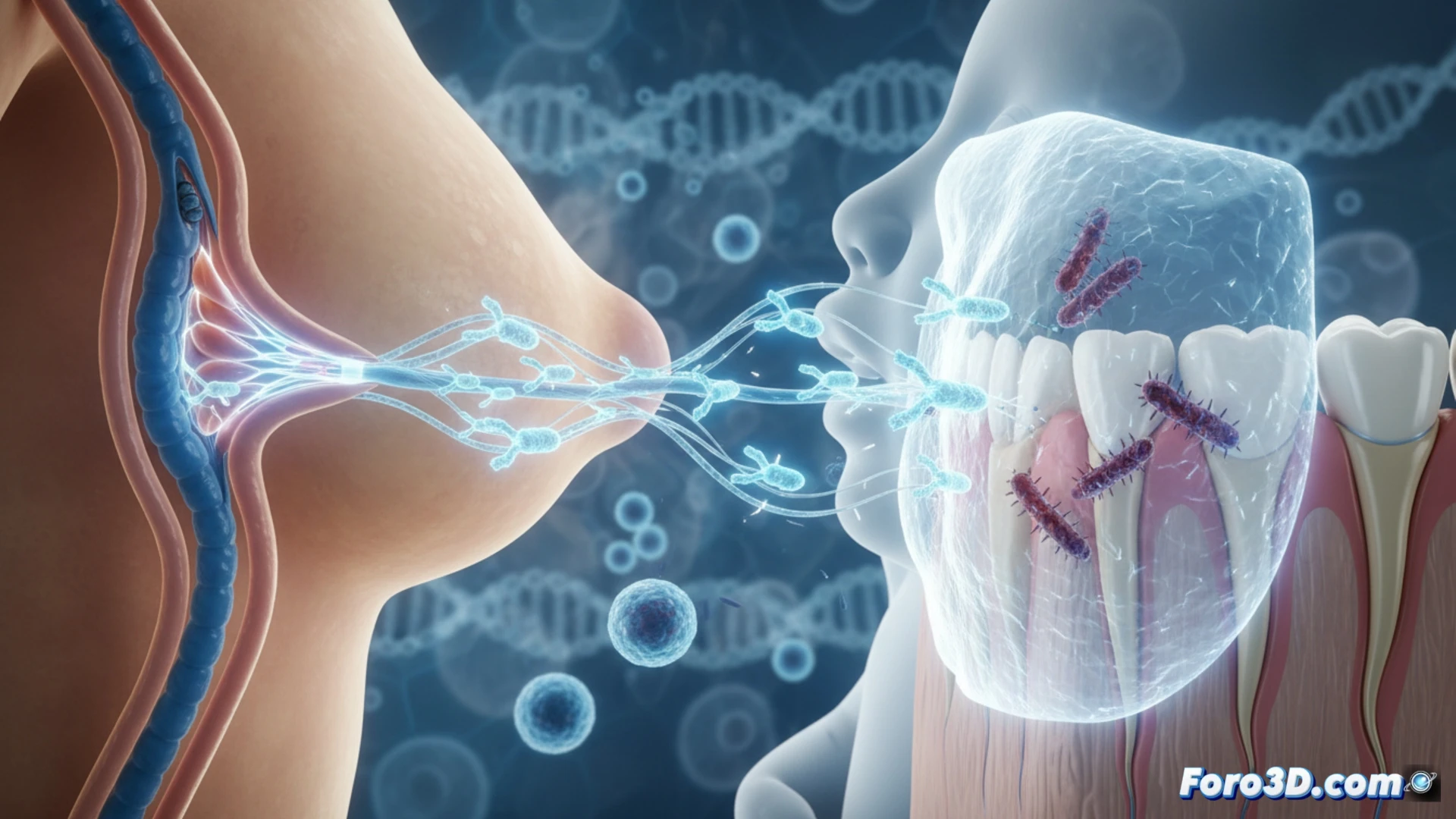
How Oral Immunity Is Programmed from the Womb 🦷
The described mechanism implies that maternal antibodies not only neutralize pathogens temporarily but establish early immune tolerance in gingival tissue. This allows the newborn's immune system to learn not to react to commensal oral bacteria while maintaining the ability to attack harmful ones. Researchers identified that exposure to specific IgG antibodies against Pasteurellaceae during the critical window of immune development is key to this lasting protection.
Your Mother Already Told You: Brush Your Teeth, but with Antibodies 😁
It turns out that mom's classic advice to brush three times a day falls short. Now science shows that what matters is not just the toothbrush, but the antibodies she already injected into you without asking permission. While you thought you inherited her smile, you actually inherited a battalion of anti-Pasteurellaceae defenses. So if you still have healthy gums, you know who to thank (and it's not the dentist).