Singer Amaia Montero returned to the Madrid stage alongside La Oreja de Van Gogh, in a concert that highlighted her emotional fragility. Despite the visible difficulties during the performance, the artist managed to complete the show with remarkable effort. For the audience, the event became an example of personal overcoming, where human vulnerability transformed into an act of artistic bravery that deeply connected with those present.
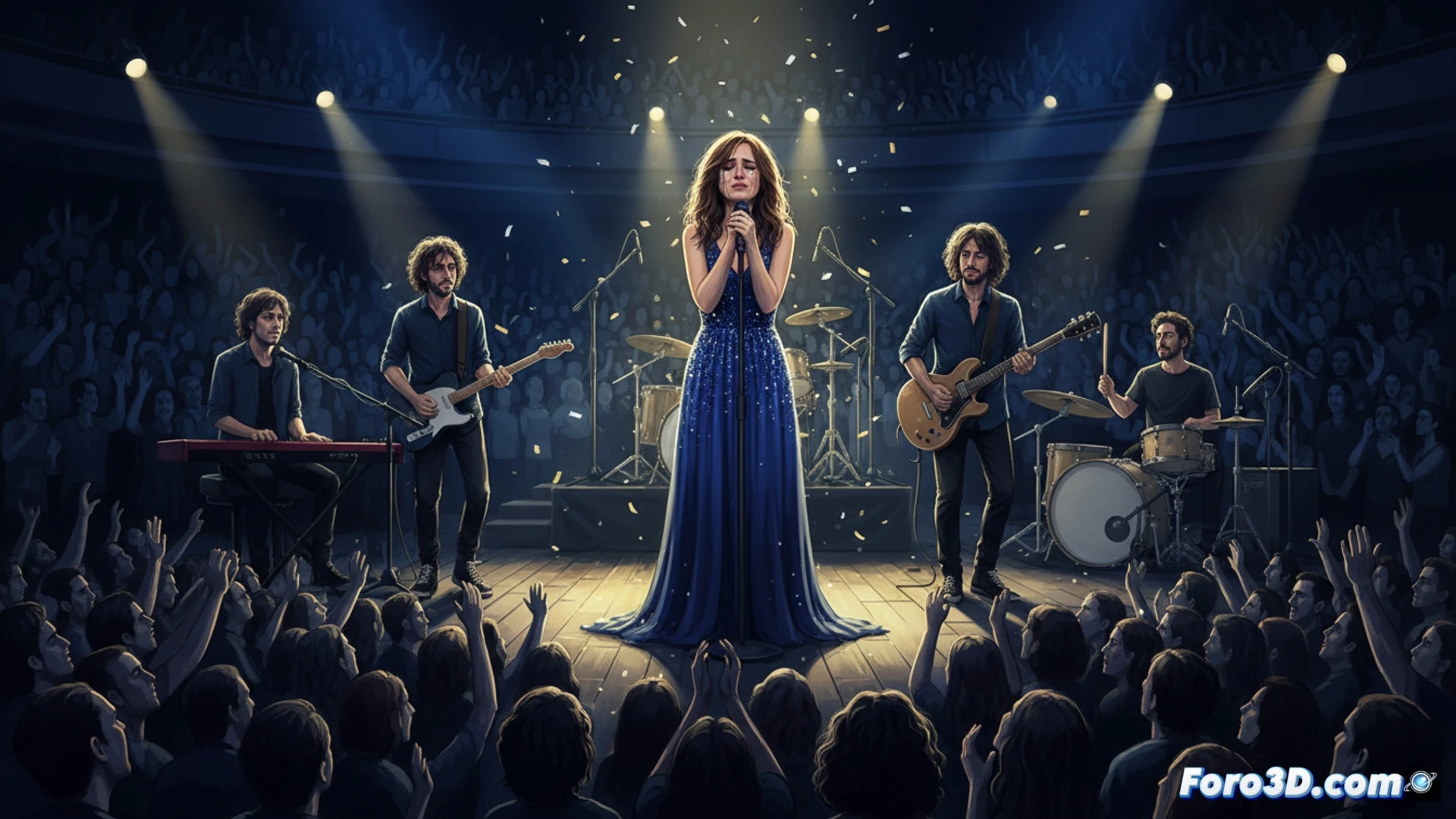
The sound system: key to the emotional connection of the live performance 🎤
Technically, the concert required a customized monitoring system to adapt to Amaia's vocal dynamics. An L-Acoustics K2 speaker array with digital processing was used to avoid auditory fatigue and maintain clarity in the mid frequencies, where her voice tends to show the most strain. Sound engineers adjusted compression levels in real-time to smooth out the most fragile passages, prioritizing warmth of timbre over raw power. This allowed every note, even the most trembling ones, to reach the audience without distortion.
The tuning software: the true friend of fragility 🤖
The most curious part of the setup was seeing how the monitor technician kept staring at an iPad with pitch correction software. Rumors say it had more adjustment layers than a wedding cake. Some spectators joked that the autotune machine worked more overtime than an intern in summer. Although the show was emotional, technology saved more than one of those moments we call free interpretations. Without it, the recital would have been more of a group therapy session than a concert.