The German government has proposed a tax on sugary drinks as part of its healthcare reform, with entry planned for 2028. The measure aims to raise 450 million euros annually for health investments, but it opens a debate on state interference in diet and personal consumption. Where does protection end and paternalism begin? 🍹
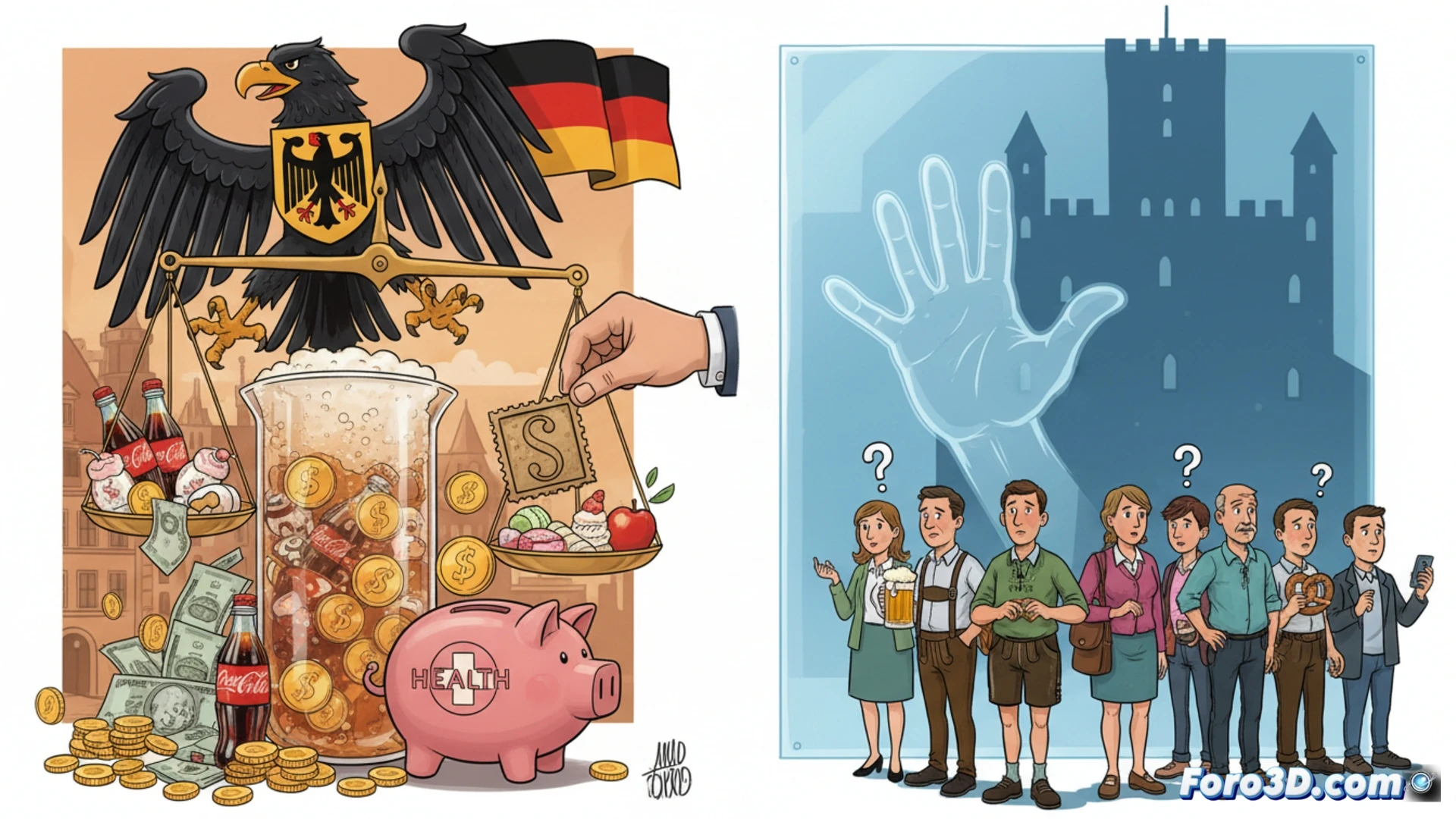
Fiscal technology: the algorithm that calculates the sugar in your soda 🤖
The implementation of the levy will require digital labeling systems and databases to classify each drink according to its added sugar content. Portable spectral sensors are being considered for inspectors to verify batches in real time, along with chemical analysis software that cross-references data with tax collection. Germany plans to integrate this into its existing fiscal infrastructure, using artificial intelligence to detect fraud in ingredient declarations. An ambitious technical project seeking precision without reducing costs.
Cheers with tap water: the new German premium drink 💧
Soft drink lobbies have already hired several economists to demonstrate that the tax will reduce sugar consumption by 0.7%, but will increase psychologist visits due to labeling anxiety. Meanwhile, Germans are preparing their pantries to stock up on cola cans before 2028, as if expecting a sucrose apocalypse. The government suggests alternatives: sparkling water with lemon, which according to its calculations tastes like fiscal freedom.