The President of the Federal Office for the Protection of the Constitution, Selen, has requested expanded powers to infiltrate devices and use AI-powered facial recognition. The proposal aims to strengthen hazard prevention, but Data Protection Commissioner Kramer warns that turning the agency into an active intelligence service blurs its original function and the separation from the police.
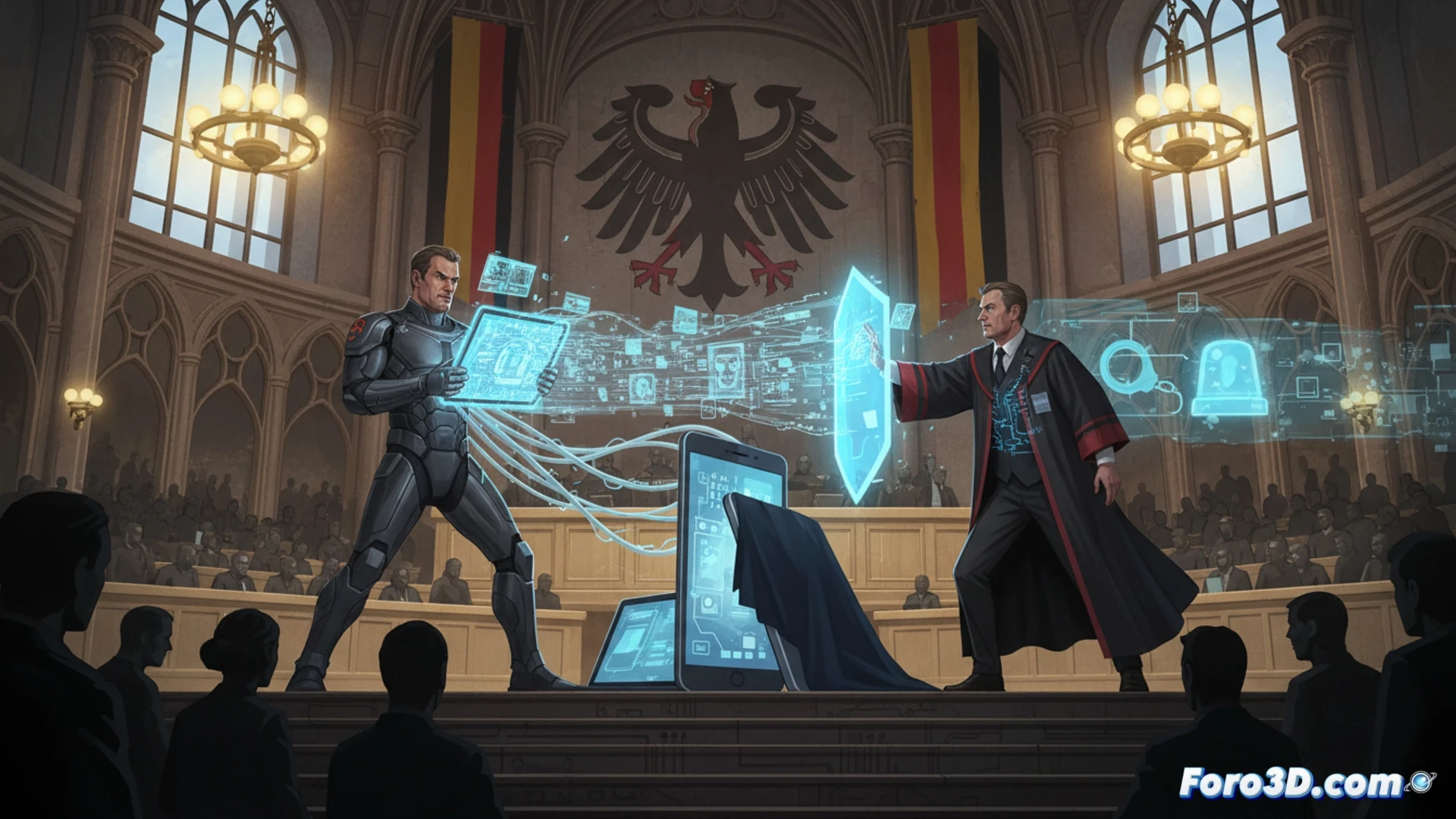
Digital surveillance: remote infiltration and predictive algorithms 🕵️
Selen's request includes remote access to computers and mobile phones without prior notification, as well as the use of real-time facial recognition systems and AI algorithms to analyze behavioral patterns. These techniques, common in foreign intelligence services, would be applied to German citizens within the country. From a technical standpoint, the measure would involve breaking encryption and bypassing privacy protections, raising doubts about its legality and judicial oversight.
A secret police with a longer name? 🤖
Kramer puts it plainly: the office is not a secret police, but the new powers dangerously bring it closer to becoming one. Perhaps the next step is to rename it to something more catchy, like the Federal Agency for Friendly Domestic Espionage. Meanwhile, German citizens wonder if their next selfie will end up in an intelligence database, tagged as a potential risk for smiling too much.