Akira Amemiya, a disciple of the ever-explosive Hiroyuki Imaishi, took calmer paths. His work embraces tokusatsu and melancholy, offering a measured look at steel giants. Far from constant noise, Amemiya builds action with silences and geometric framing that invites reflection, not just visual spectacle.
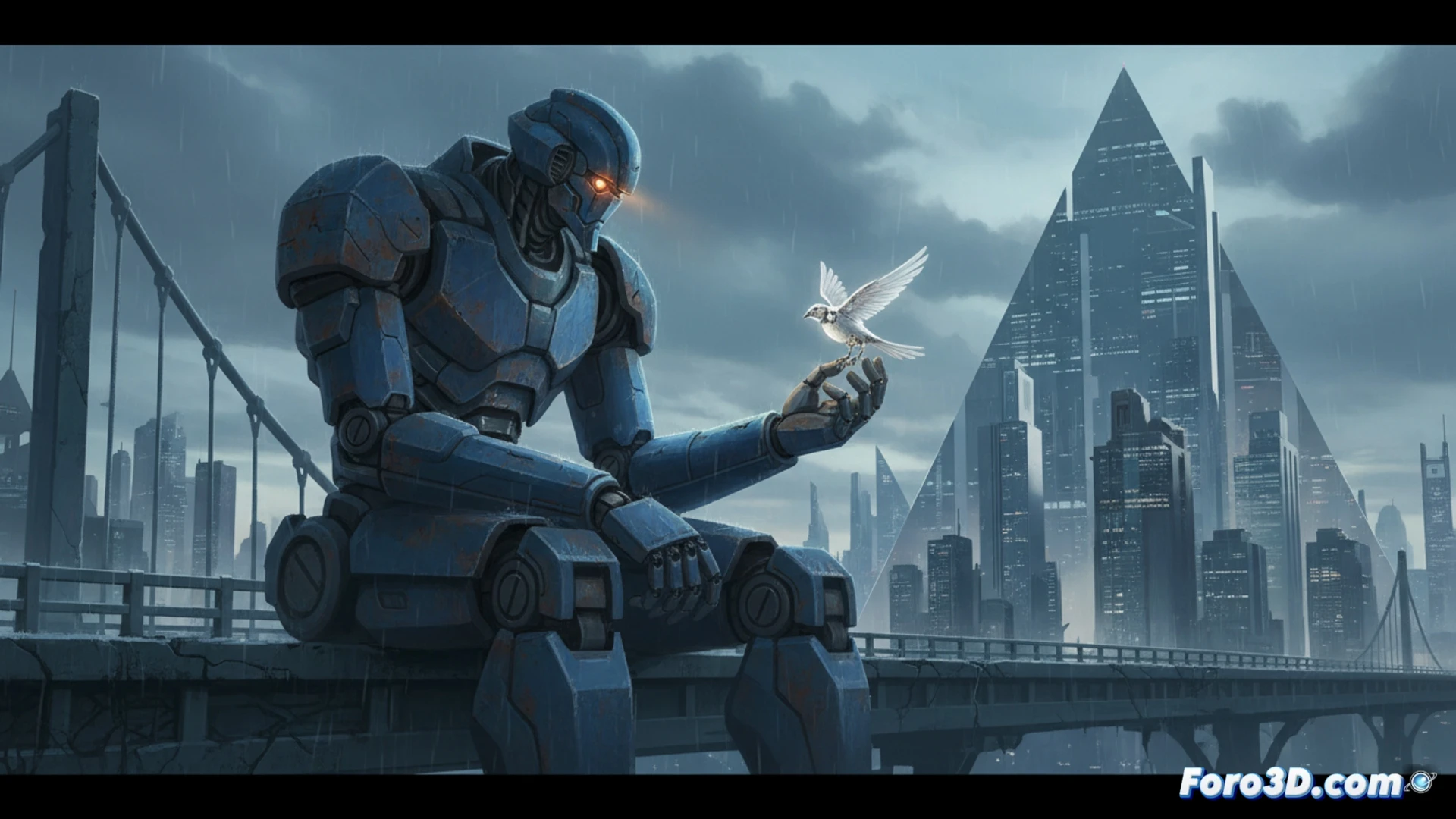
The geometry of combat: angular shots and inherited animation 🤖
Technically, Amemiya inherits Trigger's dynamic composition but moderates it. His angular framing and use of forced perspective recall Japanese B-movie cinema. In SSSS.Gridman, the animation of kaiju and robots relies on detailed backgrounds and calculated use of CGI, avoiding constant movement to give weight to each blow. The result is a choreography that prioritizes impact over speed.
When the giant robot needs a hug (and a therapist) 🫂
The curious thing is that, despite directing giant monster fights, Amemiya seems more interested in having his pilots talk about their problems than in destroying cities. In Dynazenon, the protagonists spend as much time in emotional therapy as inside the robot. One suspects that the real monster to defeat is not the kaiju of the moment, but the lack of communication in the WhatsApp group.