A 2024 study has revealed that traditional methods for measuring water quality fall short. Using human DNA markers, fecal contamination was detected in 46% of samples, while conventional cultures only indicated 18%. This suggests that the current system underestimates risks for swimmers. 🏊
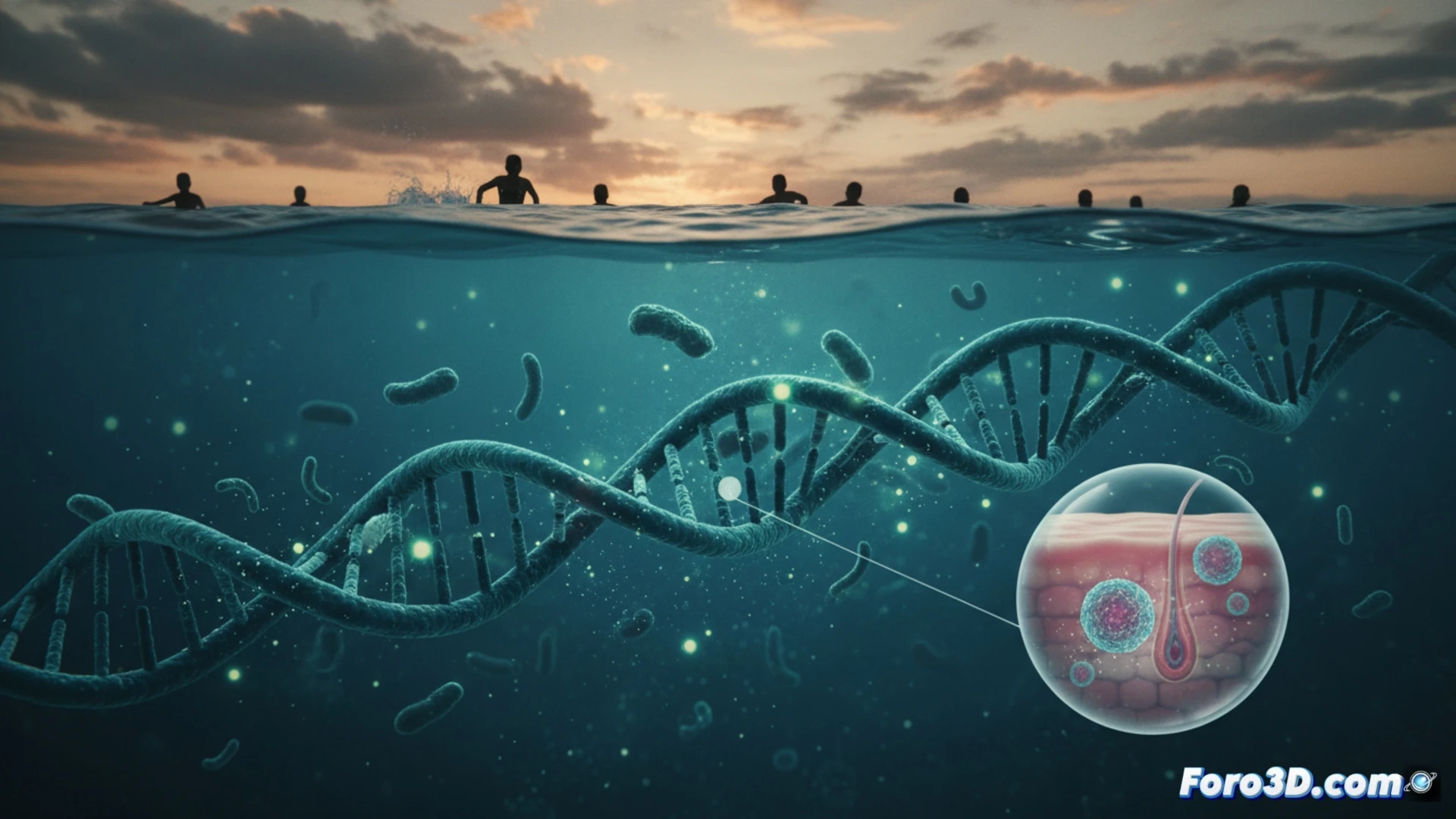
The E. coli trap and the test that doesn't distinguish origins 🔬
The technical problem is twofold. On one hand, the bacterium E. coli, which we use as an indicator, can disappear from water before other more resistant pathogens, giving a false sense of security. On the other hand, culture tests do not discriminate whether the contamination source is human or animal, crucial information for tracking sources. The new DNA technique allows identifying the exact origin and detecting sporadic episodes that cultures overlook, offering a finer diagnosis of water health.
Swimming with confidence: the warning that comes too late ⚠️
Meanwhile, official warnings on government websites are only activated when bacteria levels exceed limits. It's like your car warning you that the gas has run out after you've already been stranded. With the old method, you happily swim in water that looks clean, but according to DNA, it's a breeding ground. At least, if you get sick, you know the system worked: it warned you when you were already in the hospital.