A new pilot project at an entertainment venue has successfully integrated audiodescription systems and induction loops. The news is positive, but it hides an uncomfortable reality: these improvements remain the exception. People with disabilities depend on the goodwill of a few companies and the work of associations to access culture, while most spaces remain architectural and sensory barriers.
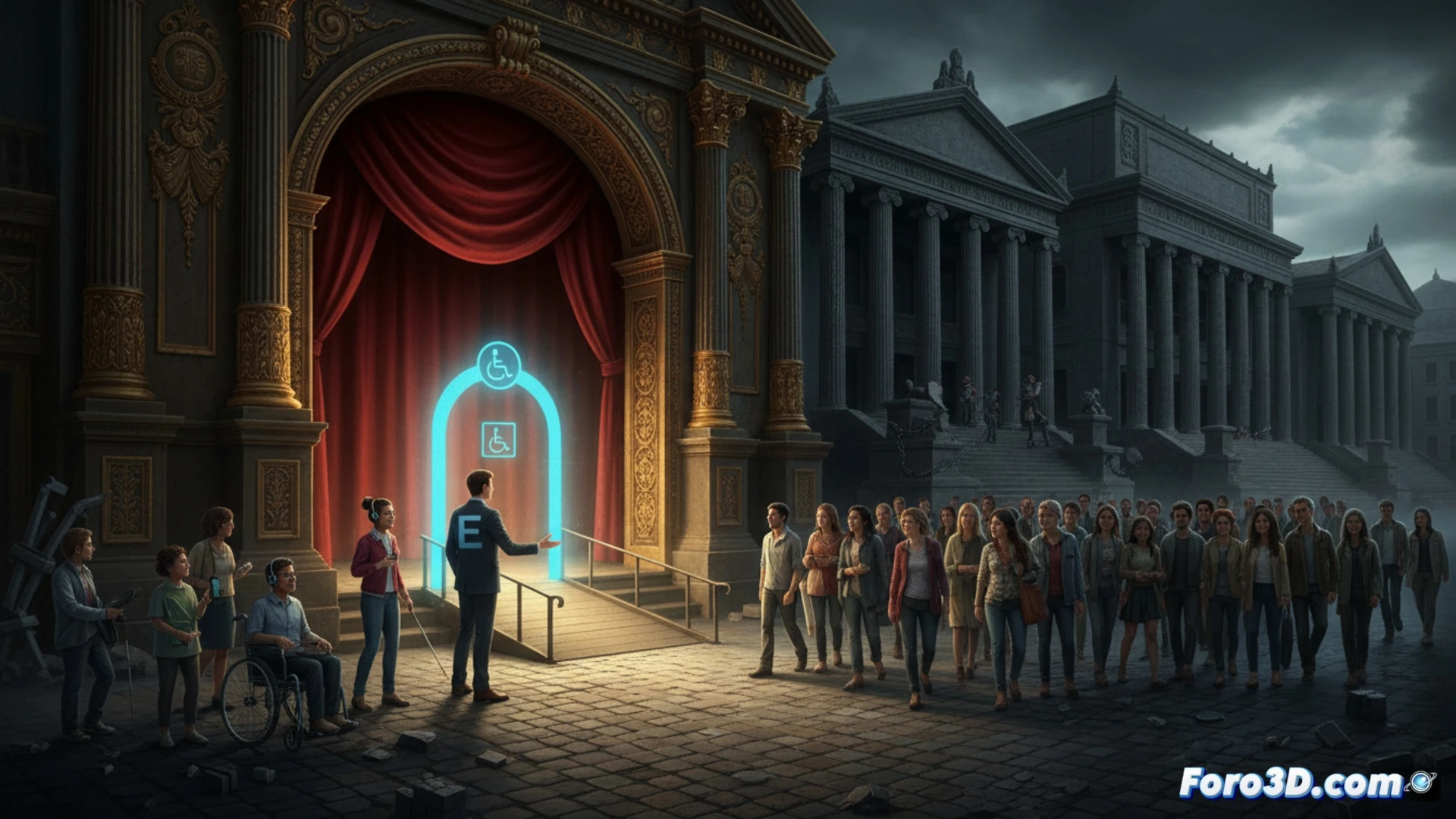
Accessible technology: standards that should not be optional 🎧
Technology for universal accessibility exists and is mature. Induction loop systems, real-time AI captioning, indoor navigation apps for wheelchairs, or direct sound devices for hearing aids are proven solutions. Their implementation does not require a technical leap, but a business decision. The problem is not the lack of development, but the absence of legal regulations that require these standards as a basic requirement for any operating license or public event.
Volunteerism saves culture (and companies' consciences) 🎭
It's heartwarming to see interns carrying folding ramps and volunteers translating plays into sign language with their phones. It's endearing, like watching a plumber fix a leak with chewing gum. Next time, instead of asking for volunteers, we could demand that companies include accessibility in their budgets. But of course, that would be less photogenic than a crowdfunding campaign to buy an induction loop.