Closing nuclear power plants may seem like an ecological decision, but the data reveals a different reality. Germany, Japan, and other countries saw their CO2 emissions increase after shutting down their reactors. The lost electricity was replaced by natural gas and coal, sources that release tons of carbon into the atmosphere. The paradox is clear: shutting down clean energy out of fear turns on dirty energy.
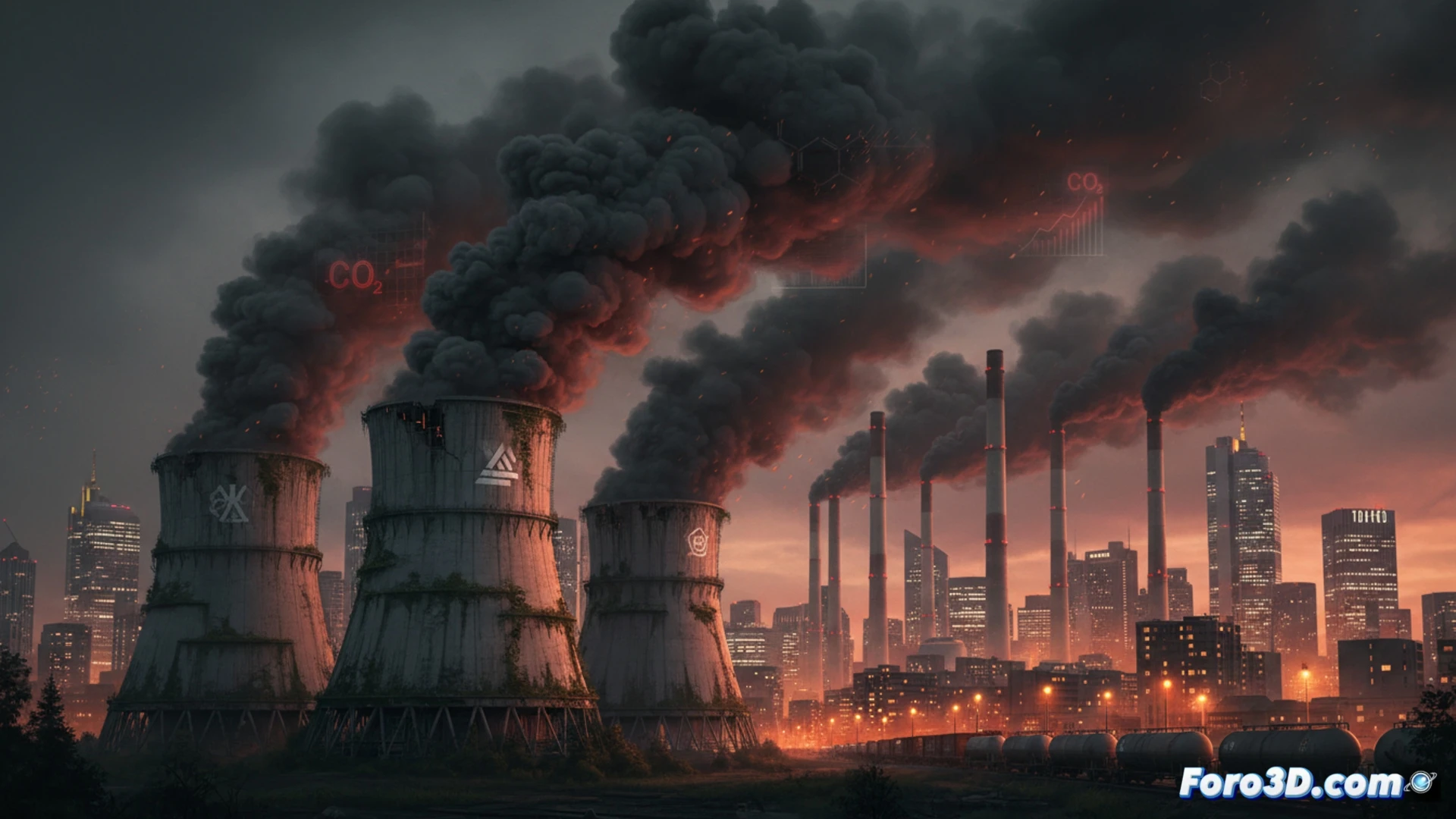
The technical void filled by fossil fuels ⚡
Nuclear energy generates constant baseload electricity without emitting CO2. When reactors are disconnected, the grid loses a stable source of 1 GW per unit. To meet demand, combined cycle gas plants or coal-fired power plants are used. A 1 GW reactor prevents the emission of about 6 million tons of CO2 per year. Without it, each displaced megawatt-hour adds between 400 and 900 kg of CO2, depending on the substitute fuel. Physics does not negotiate with ideologies.
The green paradox of turning off nuclear lights 🌍
It turns out that to save the planet, some countries decided to burn more coal. It's like wanting to lose weight and filling the fridge with cakes. Germany, with its Energiewende, achieved the feat of reducing emissions... in reverse. They now import electricity from France, which does use nuclear power. In other words, they pay for the energy they used to produce themselves, but with the added bonus of having polluted more. A sweet deal, if your currency is CO2.