In 1986, the murder of a young woman in Fukui led to the conviction of Maekawa Shoji, an innocent man who spent decades in prison. The prosecution concealed key evidence for 34 years, preventing the real culprit from being found. Hiroko Ohashi, the victim's sister, denounces the frustration of knowing that the truth was withheld by the system, while her father died believing in Maekawa's guilt and her mother, suffering from dementia, avoided news of the case.
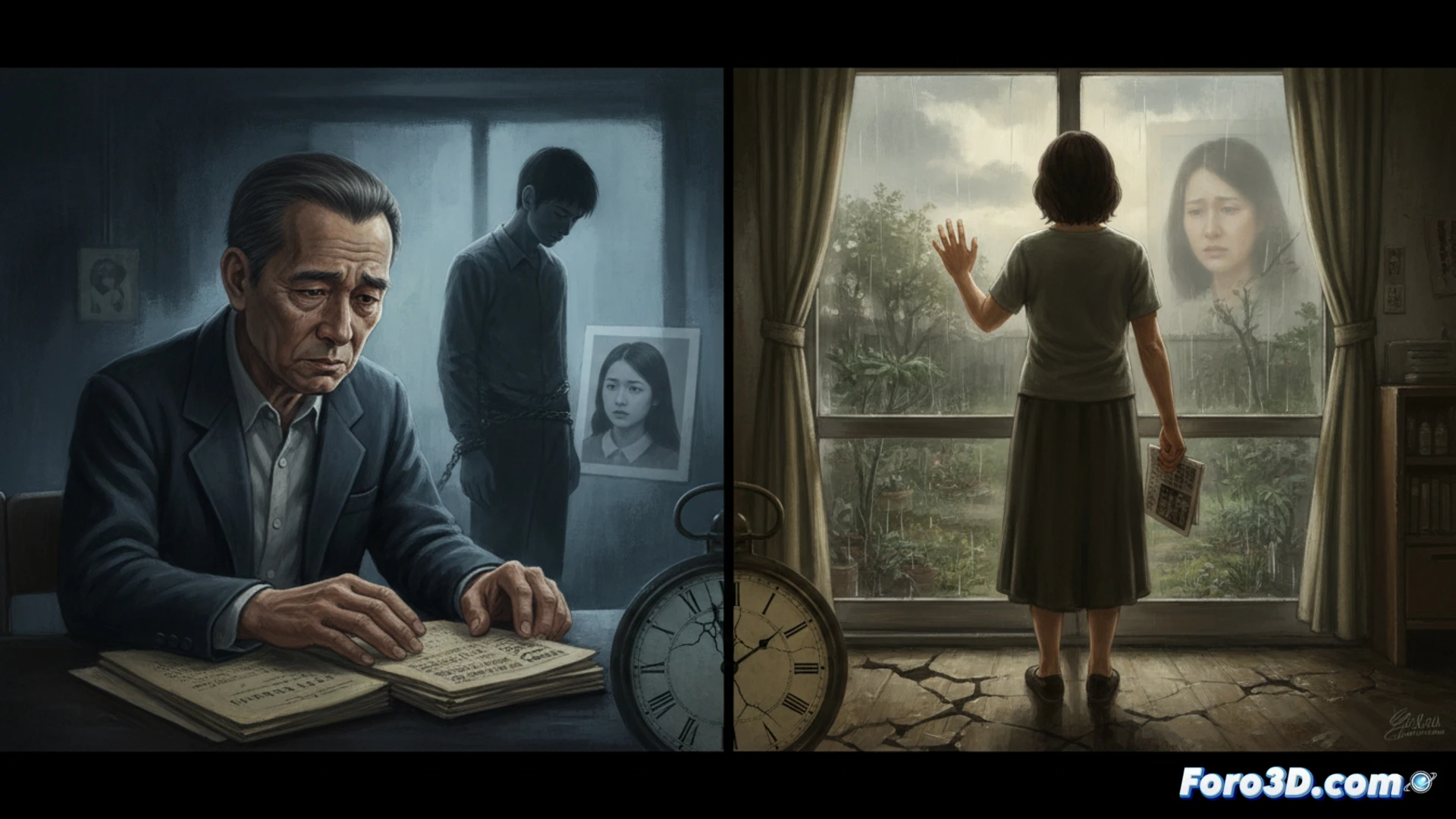
Systemic failures: when forensic technology is not enough against judicial opacity ⚖️
The case reveals how a lack of transparency in evidence management can nullify any technical progress. The prosecution based its accusation on false testimonies, such as one from a TV program that aired a week after the crime, but which they presented as alibi evidence. Without external audit protocols or early digitization of evidence, errors were perpetuated. The case review in 2025, with new analysis tools, confirmed innocence, but the damage was irreversible.
The TV program that arrived late: the alibi with a one-week delay 📺
The prosecution claimed that a program aired on the night of the crime, but it was broadcast seven days later. An error that any modern streaming service would avoid with a simple metadata record. But in 1986, no one checked the actual schedule. So while the real murderer remains free, Japanese justice demonstrated that, sometimes, the only thing slower than a trial is the prosecution's ability to read a calendar.