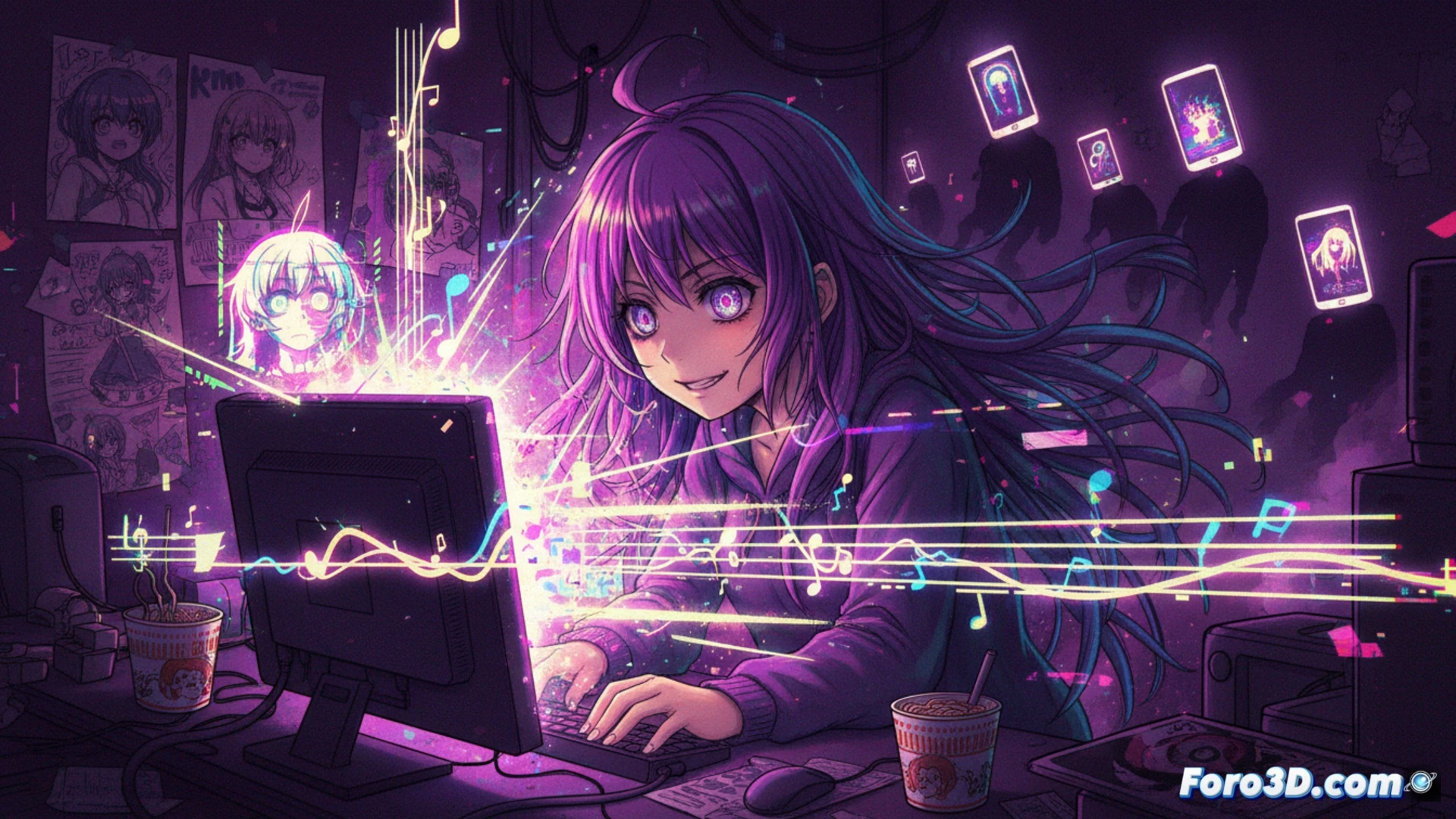
On April 24th, Yunyun Syndrome!? Rhythm Psychosis arrives on Steam, an indie title that stands out for its ambitious genre blend and dark narrative. For $16.99, players embody Qtie, a hikikomori whose obsession with denpa music and a fictional character triggers psychosis. The game promises to combine rhythm sequences with over 30 songs and a social media simulation where the protagonist's madness seeks to spread. This approach makes it an interesting case study for analyzing current narrative trends and mechanics in indie development. 🎮
Hybrid Mechanics: Rhythm, Social Media, and Non-Linear Narrative 🎵
Technically, the project is built on two main interconnected pillars. The first is a traditional rhythm game with a wide denpa genre soundtrack, demanding precision from the player. The second, and more innovative, is a social media simulation system that functions as a narrative and progression engine. Qtie's anonymous posts are not just lore; they are an active mechanic to infect other users and unlock new parts of the story, which promises multiple endings. This integration aims for gameplay to reinforce the theme of obsession and digital isolation, a narrative design success.
The Weight of Complex Themes in Contemporary Indie 🧠
Beyond its playful proposal, the game reflects on the medium's potential to address psychological disorders and uncomfortable social realities, such as the hikikomori phenomenon. Its Steam launch, with an accessible price, proves there is a market for stories that question whether a happy ending can exist in contexts of deteriorating mental health. Yunyun Syndrome represents the thematic and mechanical boldness that characterizes a sector of indie, risking the fusion of seemingly disparate genres to create a unique and provocative experience.
How can the fusion of rhythm mechanics with psychological horror narratives create an immersive and unique gaming experience in indie video game development?
(P.S.: shaders are like mayonnaise: if they break, start everything over again)