The shortage of human donors keeps thousands of patients on waiting lists. Xenotransplantation, the use of animal organs, presents itself as a solution pathway. Surgeon Joshua Mezrich's book explores this frontier, focusing on the potential of genetically modified pigs. It reviews the history, science, and ethical dilemmas of a field seeking to end dependence on human donors.
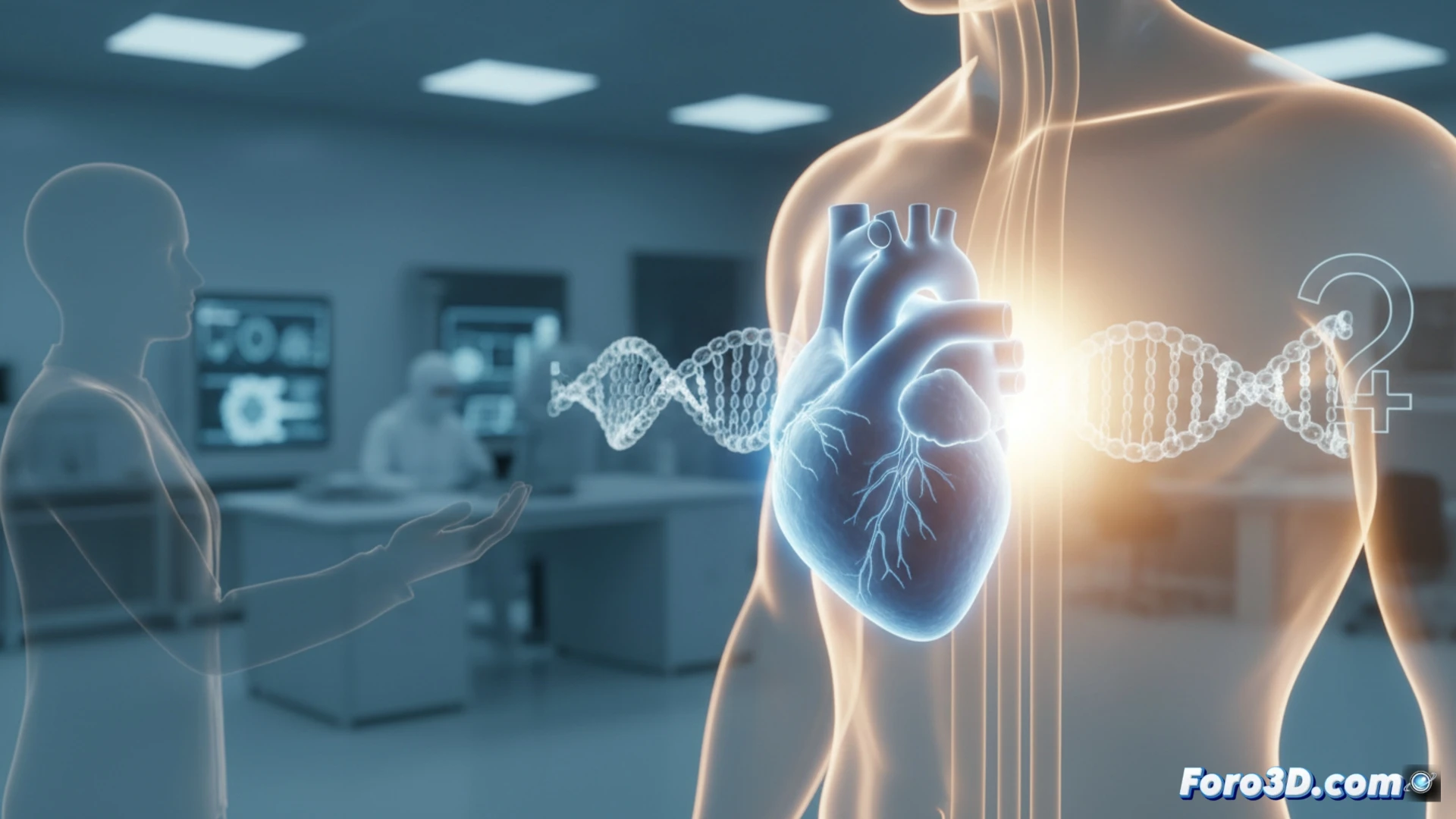
The genetic engineering that makes porcine organs compatible 🧬
The main obstacle is hyperacute rejection, where the human immune system destroys the animal organ in minutes. The solution involves genetically edited pigs. Genes that produce sugars identified as threats are removed, and human genes that regulate coagulation and the immune response are added. This creates humanized organs that the body can accept, as demonstrated by the first pig heart transplants in 2022.
From the stable to the operating room: when bacon gives you a second heartbeat 🐖
It's curious to think that the future of medicine passes through the same animal from which ham comes. Life can give you a pig heart, literally. After years avoiding saturated fats, you might end up harboring a piece of that same animal they recommended you not eat. The irony is notable: a being created for our consumption ends up being the piece that keeps us alive. The farm becomes the most advanced spare parts factory.