Microsoft has confirmed the reactivation of its Xbox Backward Compatibility Program, a key initiative for digital preservation. This move, framed within the 25th anniversary of the brand, ensures that games from four generations of consoles remain playable in the future. After a pause since 2021 due to technical and licensing obstacles, the renewal of this commitment underscores the importance of keeping the gaming heritage alive. Additionally, improvements are announced for a unified experience between console and PC, including a Xbox mode for Windows 11.
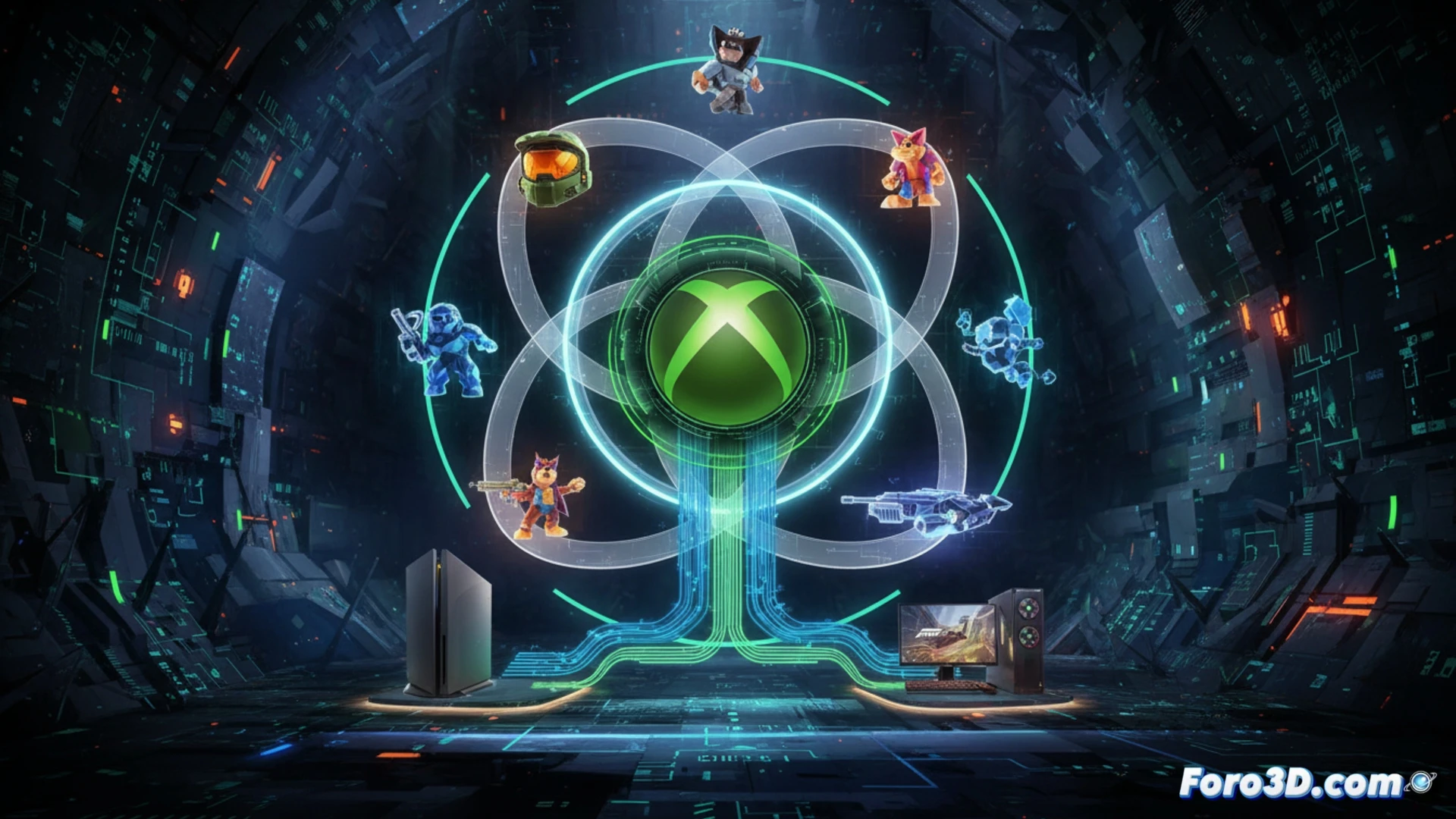
Technical Implications and for the Development Ecosystem 🛠️
For developers, this program is not just a gesture toward players, but a valuable technical tool. It facilitates access to historical libraries for study and testing, allowing analysis of design and optimization techniques from past eras. Effective backward compatibility requires robust emulation, an engineering challenge that Microsoft is taking on, freeing studios from having to perform costly ports. On the other hand, the improvements toward a unified experience between console and PC reinforce the need to design games thinking about multiple platforms from their conception, optimizing resources and potentially expanding the user base.
Preservation as a Pillar of the Industry 📜
Beyond the technical aspects, Microsoft's decision sets a crucial precedent regarding platforms' responsibility for preservation. In an industry where hardware obsolescence threatens to erase historical titles, maintaining access is preserving the culture and history of the medium. For developers, it means their work will endure, and for the community, it is the guarantee of not losing fundamental works. This commitment, combined with ecosystem convergence, points toward a future where games transcend the specific physical platform for which they were created.
What specific technical challenges do today's developers face when adapting classic Xbox games for modern hardware, and how might this new phase of the backward compatibility program influence the design of future titles?
(P.S.: game jams are like weddings: everyone happy, no one sleeps, and you end up crying)