The WTO Ministerial Conference in Yaoundé has collapsed, marking a geopolitical turning point. The failure to renew the 1998 moratorium on tariffs for digital transmissions opens the door to unprecedented fragmentation of e-commerce. The United States, after harshly criticizing the organization, announces that it will seek alternative alliances outside the multilateral framework, which will reconfigure global digital supply chains and create new trading power blocs.
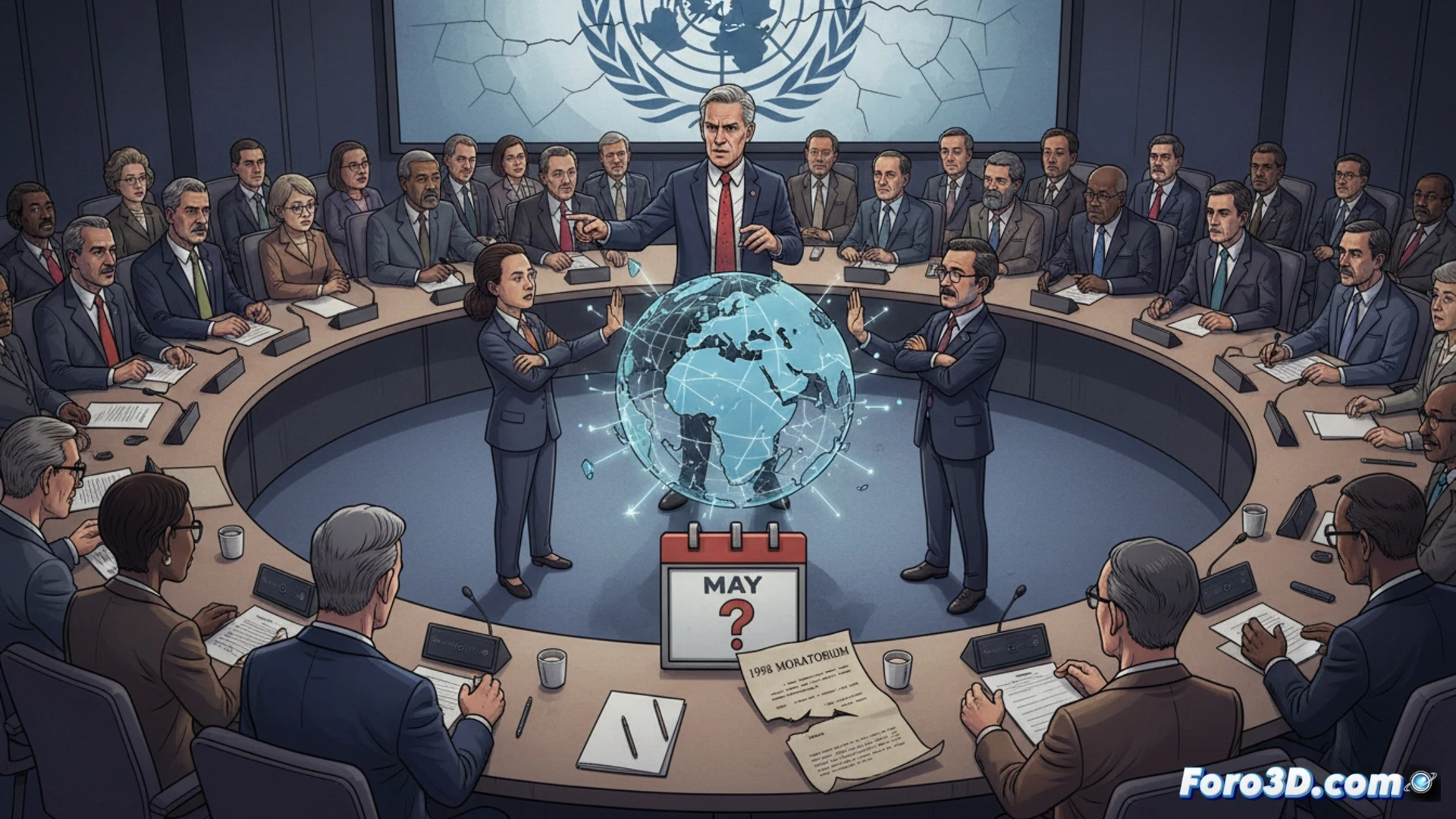
Visualizing the fragmentation: new blocs and vulnerable routes 🗺️
This shift forces a spatial analysis of the new dependencies. Through interactive 3D maps, we can project the probable digital trading blocs led by the US and its allies, versus others led by powers that choose to impose tariffs. The visualizations must identify the most critical data traffic nodes and digital supply routes that will become vulnerable to new costs and barriers. For the 3D industry, this means mapping cloud rendering flows, asset transfers, and software distribution, which could become more expensive or diverted depending on the jurisdiction.
A 3D ecosystem in a world with digital borders ⚠️
The era of the borderless digital environment is coming to an end. Studios, freelancers, and platforms that relied on free data flows must prepare for a fragmented commercial geography. Digital supply chain planning, from the choice of cloud servers to final content distribution, will need to incorporate the tariff factor as a critical variable cost, redefining efficiency and strategic allies in the process.
How will the fragmentation of global digital governance reconfigure the supply chains for critical hardware and software?
(P.S.: visualizing the global supply chain is like following a trail of breadcrumbs... in 3D)