This weekend, WonderCon hosts panels organized by The Autism Scene, an organization that advocates for authentic representation of autistic characters in children's pop culture. This initiative highlights the importance of inclusion and neurodivergent visibility in entertainment. In the niche of 3D education and outreach, this event raises a crucial question: how can immersive technologies and 3D animation become fundamental allies in this mission of representation and awareness?
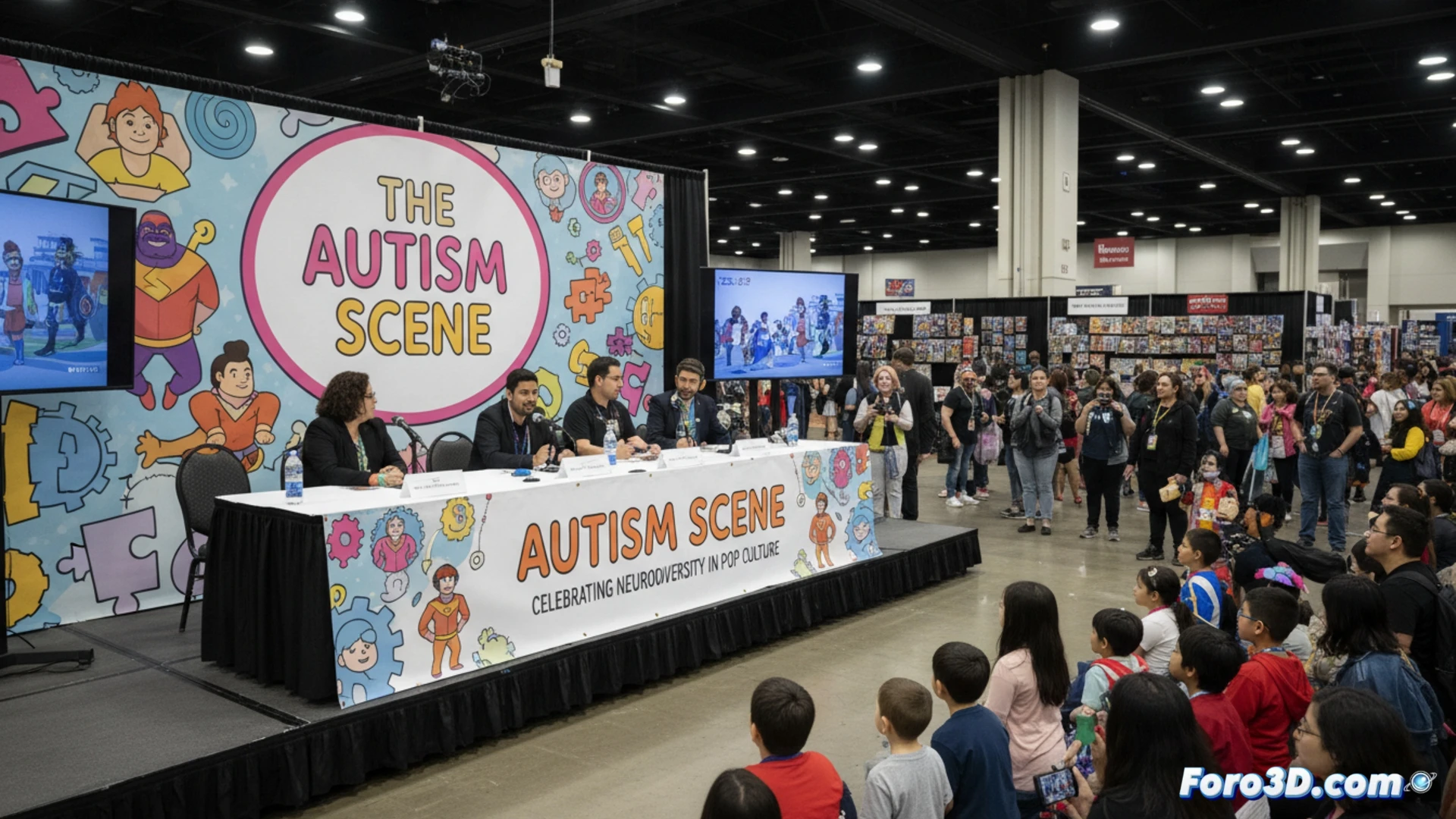
Immersive tools for empathy and authenticity 🎭
3D animation and Virtual and Augmented Reality experiences offer unique potential for outreach on neurodiversity. Technically, they allow modeling characters with a depth and detail that transcend stereotypes, capturing authenticity in their expressions and behaviors. Beyond the screen, interactive VR environments can be developed that simulate different sensory perspectives, fostering empathy by allowing users to experience the world from another point of view. Additionally, AR can enrich exhibitions or comics with layers of visual information that intuitively explain aspects of the condition, transforming outreach into a profound sensory and educational experience.
Beyond the tool, an ethical commitment ⚖️
Technology alone does not guarantee faithful representation. The success of these applications depends on an inclusive creation process, with active participation of autistic people in development, scripting, and design teams. 3D and immersive tools are the canvas, but authenticity is provided by the voices of the community. Initiatives like the panels of The Autism Scene are vital for laying the foundations of this necessary dialogue between creators, technologists, and the neurodivergent community, ensuring that innovation serves real inclusion.
How can 3D technology become a key tool for creating inclusive environments and narratives that authentically reflect the autistic experience?
(P.S.: Teaching with 3D models is great, until the students ask to move the pieces and the computer crashes.)