The Formula 1 paddock is not only driven by what happens on the track. Recently, Toto Wolff, Mercedes director, has expressed his doubts about a possible return of Christian Horner, former Red Bull boss dismissed in July. Horner seeks to reinsert himself in F1, although Aston Martin has already declined his signing. In parallel, Mercedes is exploring the purchase of a 24% stake in Alpine, a team that confirmed Horner's interest as an investor in that same operation. Wolff denies that his evaluation is linked to Horner, emphasizing that they analyze the investment from multiple perspectives.
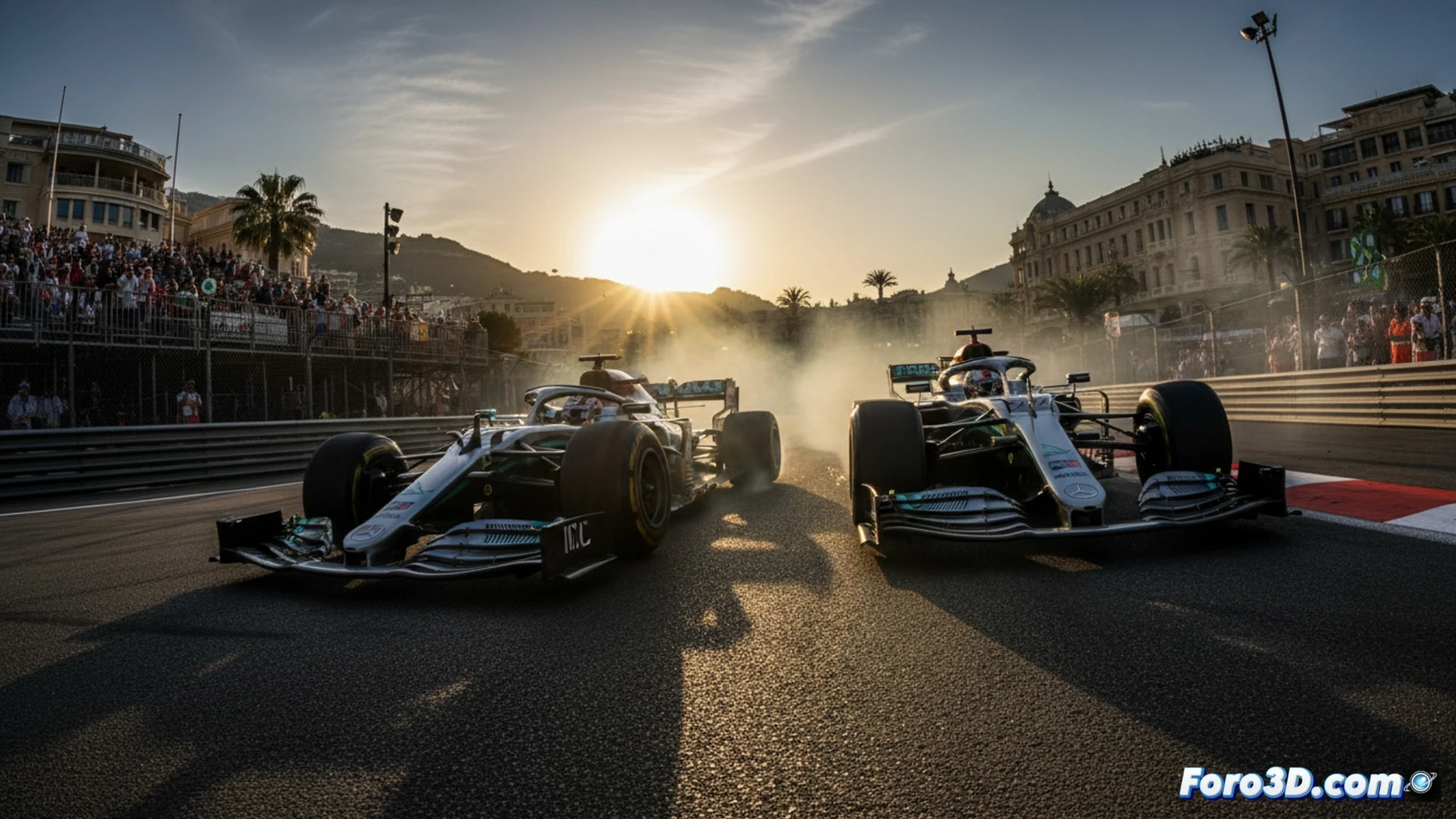
3D Simulation as a Strategic Tool in F1 🧠
These complex directorial and financial maneuvers find a fascinating parallel in the technological tools that define modern F1. Beyond aerodynamic design, 3D simulation and digital models are crucial for business strategy. A team could model a competitor's shareholding structure like Alpine in a virtual environment, simulate different investment and merger scenarios, or even map in 3D the network of influences and conflicts within the paddock. This visualization transforms financial data and personal relationships into an analyzable model, allowing risks and opportunities to be evaluated in a similar way to testing a new car component before manufacturing it.
From the Paddock to the Digital Model 🏁
The news about Wolff, Horner, and Alpine exemplifies how F1 operates on two levels: the tangible one of the sport and the abstract one of corporations. 3D technology, the core of this forum, serves as a bridge. Visualizing these directorial tensions in an interactive model is not science fiction; it is the logical extension of the category's total simulation philosophy. Understanding a team's 3D structure, in its broadest sense, is as vital for winning championships as the car itself.
How is 3D technology transforming strategy and data analysis in Formula 1, beyond car development? 🤔
(PS: player tracking is like following your cat around the house: a lot of information and little control)