The recent movie War Machine, starring Alan Ritchson, exemplifies a common dichotomy in current genre cinema: impeccable visual execution versus superficial narrative. The film shines in its action choreographies and stunts, elements that rely on meticulous digital pre-production. However, it sinks under a simple script and flat characters. This contrast invites analysis from the 3D production trench: to what extent can previsualization and VFX tools sustain a movie when the story falters? 🎬
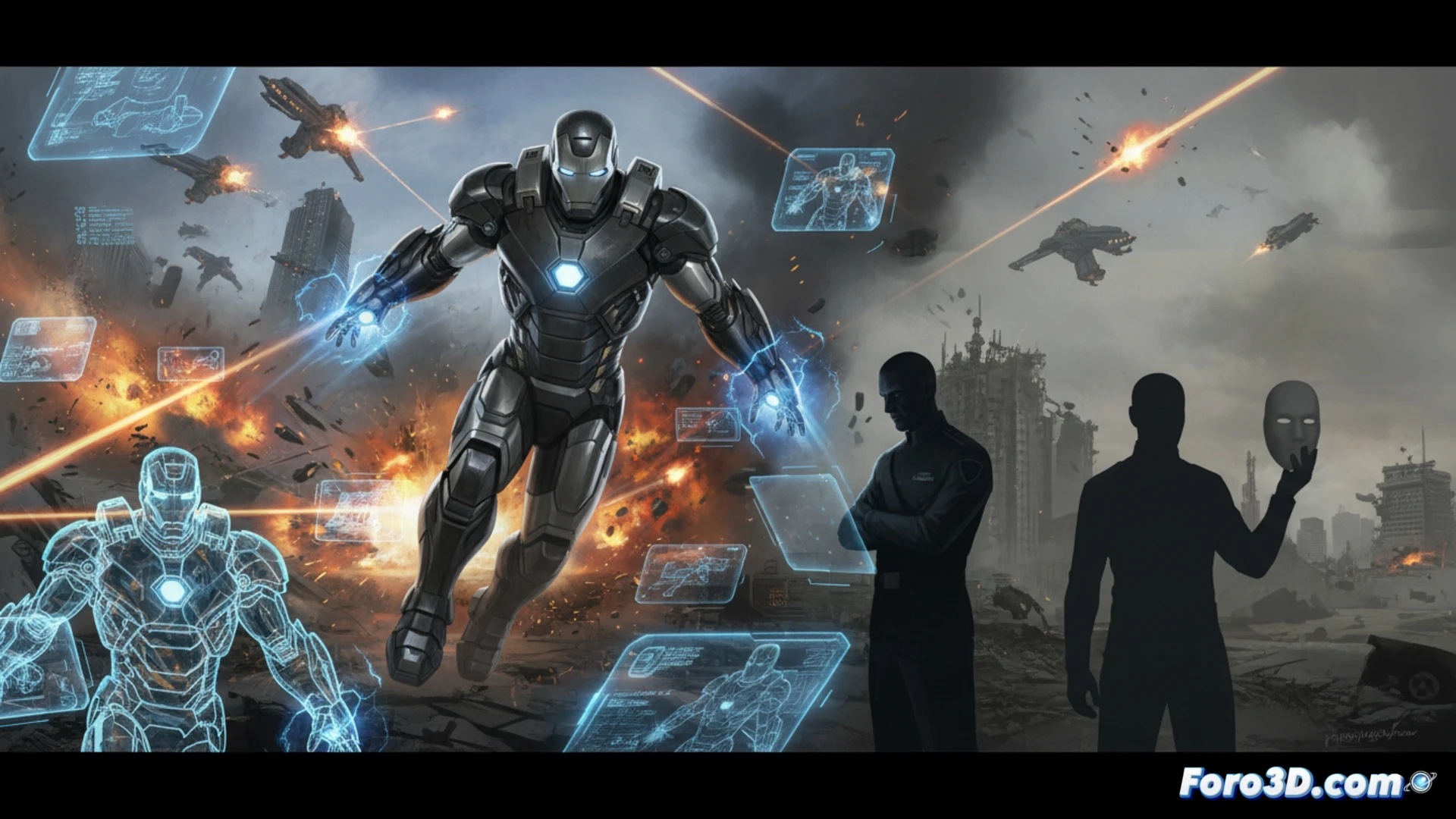
Previs and 3D Storyboard: The Backbone of Believable Action 🦾
The greatest achievement of War Machine lies in the credibility and spectacle of its combat sequences. This is where the 3D production pipeline proves its value. Before Ritchson or the stunt performers shot a single take, it is almost certain that every jump, punch, and collision was previsualized in a digital environment. Tools like previs animatic allow planning complex camera angles, synchronizing stunts with digital effects, and optimizing on-set safety. The protagonist's imposing physical presence integrates with this workflow, possibly using motion capture and 3D rigs to test scene feasibility. This technical planning is what makes the action, despite being exaggerated, feel tangible and well-choreographed, a testament to the power of digital pre-production.
The Limits of Software: The Narrative That 3D Cannot Previsualize ⚠️
Nevertheless, War Machine also marks the limit of these tools. 3D software can previsualize a shot, but it cannot write a deep emotional arc or memorable dialogues. The movie, relying so heavily on visual impact, neglects its narrative skeleton and leaves a supporting cast without development. This reflects a risk in the industry: fascination with what is technically possible can overshadow the need for a solid storyline foundation. The lesson is clear: no matter how perfect the previs is, it will never replace a good script. The real challenge is to use these tools to serve the story, not to mask its absence.
How can VFX transcend its role as a narrative tool to become the central element that defines the identity and emotional impact of a movie, as seems to happen in War Machine?
(P.S.: Previs in cinema is like the storyboard, but with more chances of the director changing their mind.)