On April 28th, Vultures: Scavengers of Death arrives on PC, a game that fuses survival horror with turn-based tactical combat. Set in a devastated Valle Salento, players control two agents with complementary skills on an extraction mission where every resource counts. Its retro aesthetic is not just a visual nod, but a design decision that directly impacts the atmosphere and gameplay, creating a methodical tension experience where planning is as crucial as aim.
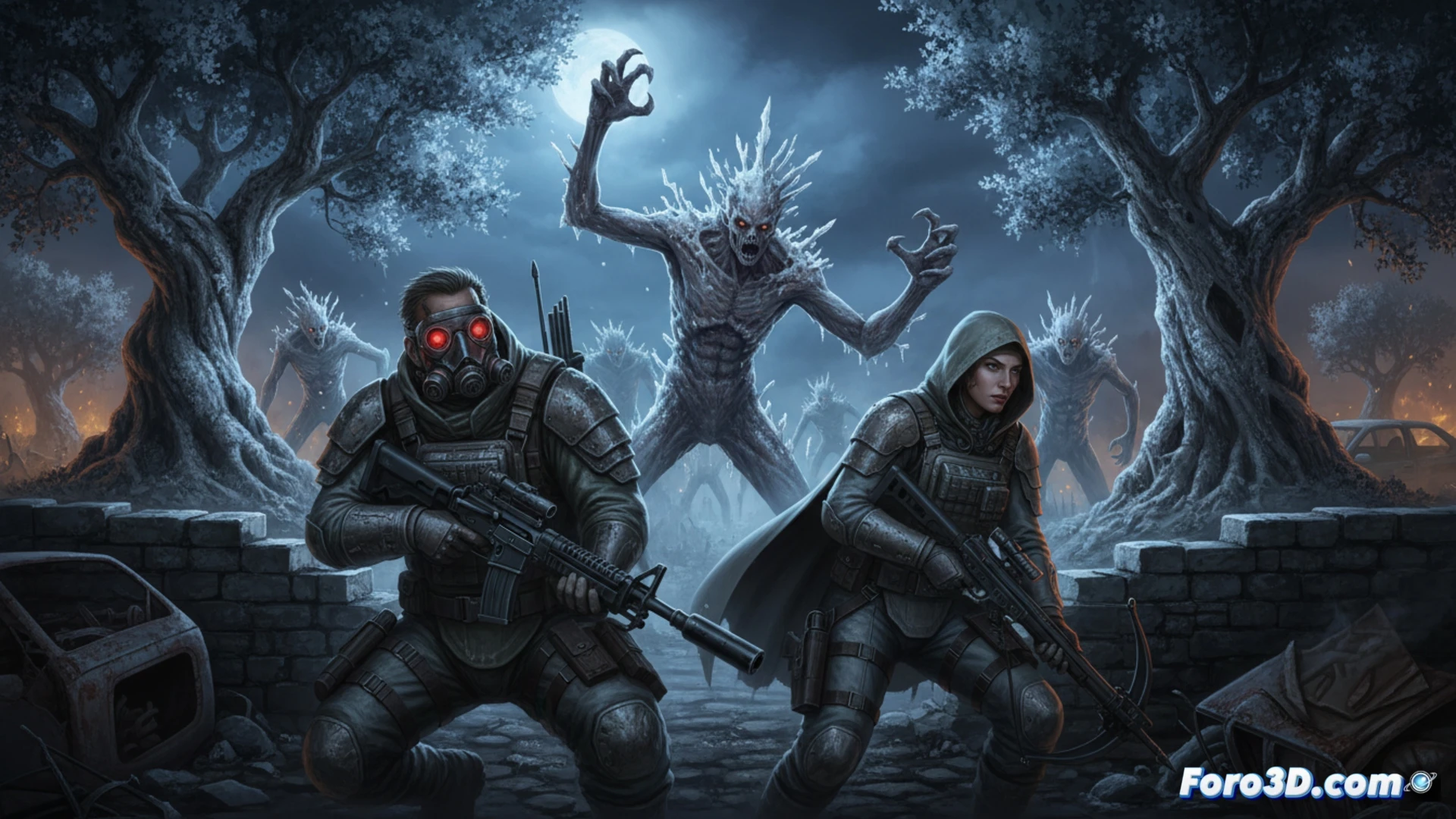
Designing tension: turn-based mechanics in survival horror 🧟
Implementing a turn-based system in a genre traditionally based on action and immediate reflexes poses an interesting technical and design challenge. Vultures transfers the pressure of survival horror to strategic decision-making. Each turn must be a risk calculation: moving an agent, using an item, or shooting consumes limited actions in a hostile environment. Resource scarcity is programmed as a critical variable, where inventory and ammunition management becomes a constant puzzle. The AI of the mutant enemies must be designed to create predictable but lethal threat patterns, forcing the player to anticipate, a key concept in effective horror.
The art of retro as a narrative tool 👾
The retro pixelated aesthetic is not merely a matter of style or nostalgia. It is a development tool that allows an indie studio to focus resources on solid mechanics design and a dense atmosphere, without the burden of producing hyperrealistic assets. This technical choice, however, carries its own challenge: conveying horror, degradation, and tension with a limited palette and low-resolution models. Every sprite, every ambient lighting, and every sound effect must work twice as hard to build immersion, demonstrating that atmosphere is created with design cohesion, not just polygon count.
Do you recommend using assets from the store or creating them from scratch?