Voltaire's Philosophical Letters, an enlightened plea for tolerance and freedom against dogmatism, find a vibrant echo today in activist digital art. This niche, where the pixel and the polygon are charged with message, directly inherits the critical spirit of the philosopher. Contemporary artists, like modern Voltaireans, use tools such as 3D modeling and virtual reality not to escape the world, but to question it, challenge power, and defend fundamental rights, demonstrating that technology is the new pamphlet.
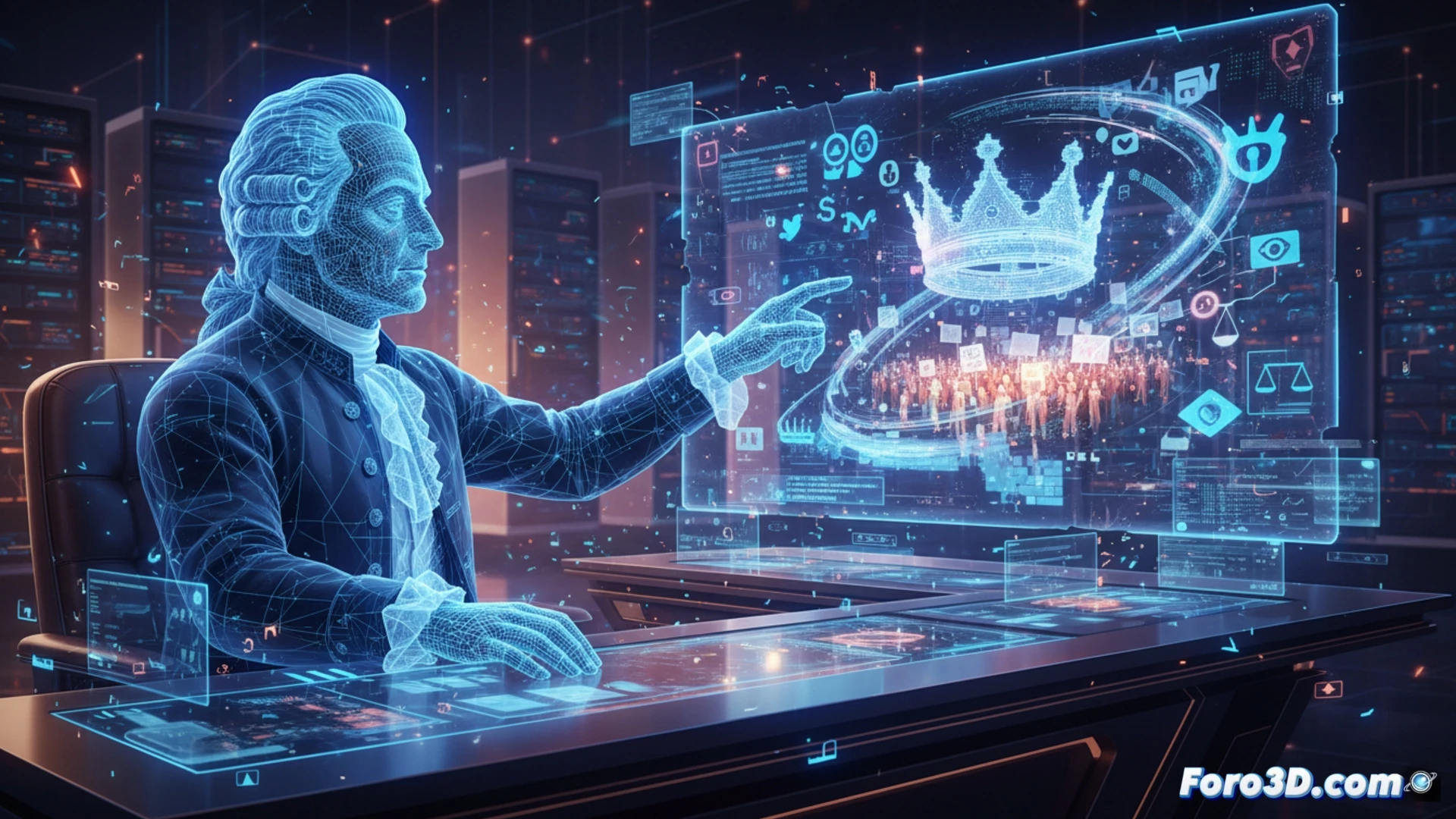
Digital tools for dissent: from text to immersive environment 🛠️
Just as Voltaire used satire and sharp prose, digital activism employs specific techniques for its critique. 3D modeling allows the creation of dystopian iconographies or the reconstruction of suppressed historical memories with powerful tangibility. Augmented reality overlays layers of denunciation on our physical environment, while virtual reality immerses the viewer in empathetic experiences that foster critical thinking. These tools transcend passive observation; they demand interaction and turn the user into an active witness, amplifying the defense of freedom of expression and tolerance that Voltaire championed.
The enlightened heritage of activist art 💡
The true connection between Voltaire and activist digital art lies in their common goal: using the most advanced communication tools of their time to enlighten, educate, and provoke social change. The essence is not the technology itself, but the commitment to reason, criticism of injustice, and promotion of individual freedom. In this forum, where these tools are mastered, lies the opportunity to be the heirs of that tradition, transforming polygons and algorithms into a powerful language for the defense of enlightened values in the 21st century.
How can 3D artists use satire and allegory in their works to exercise a Voltairean social critique against contemporary dogmatisms?
(P.S.: digital political art is like an NFT: everyone talks about it but no one really knows what it is)