The recent escalation of warfare in the Middle East, with its thousands of deaths and millions of displaced people, transcends political statements. To understand its true magnitude, we need tools that go beyond numbers. 3D technology emerges as a critical bridge, transforming abstract data into tangible visual realities that document destruction and facilitate humanitarian analysis in an unprecedented way.
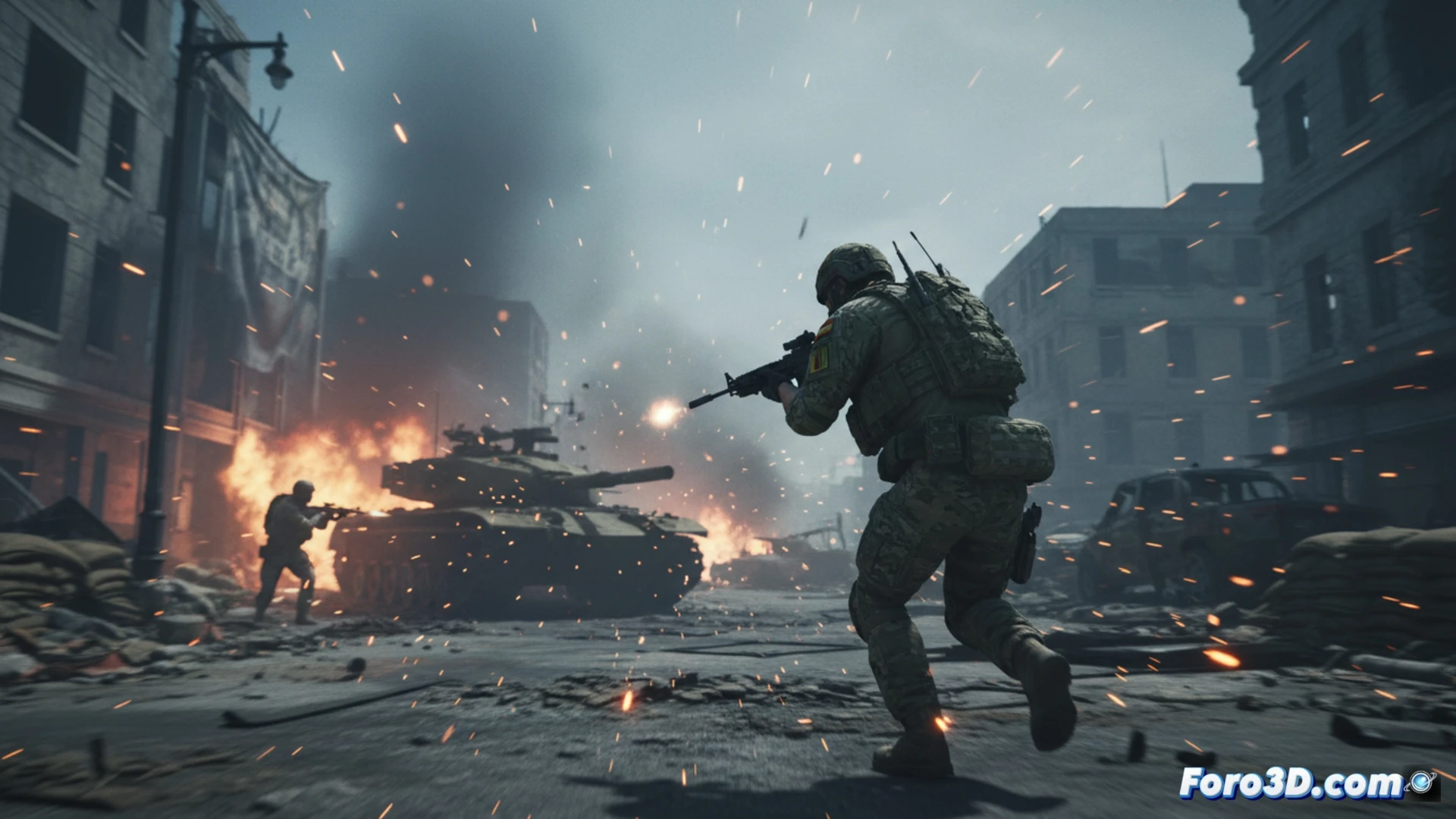
From Bombings to 3D Models: Technical Documentation of the Conflict 🗺️
Aerial and terrestrial photogrammetry, along with LiDAR scanners, would allow capturing the state of damaged civilian infrastructure, creating digital twins of besieged cities. These precise 3D models serve as forensic evidence and the basis for planning reconstruction. In parallel, dynamic 3D cartography can geolocate and visualize population displacement flows, overlaying data on food or health crises. Thus, the declaration of No to war materializes in a technical archive that preserves the memory of the damage and optimizes the humanitarian response.
Beyond Reconstruction: Simulation and Awareness 💡
The greatest potential of these models is proactive. Simulating in 3D the spread of an economic crisis or the collapse of a hospital network under bombings turns statistics into immersive experiences. This narrative capability is vital for global awareness, incontestably showing the human cost of war. The firm stance for peace is strengthened with technical tools that show, without ambiguities, what we must avoid.
Do you believe that digital twins can help in post-conflict reconstruction?