Science advances on surprising frontiers, such as microbial fuel cells that generate electricity from urine. This bio-electrochemical process, where microbes break down waste and release electrons, is complex to imagine. This is where 3D scientific visualization becomes crucial, allowing to unravel and communicate the intricate molecular and bacterial dance that transforms a waste into clean energy and purified water.
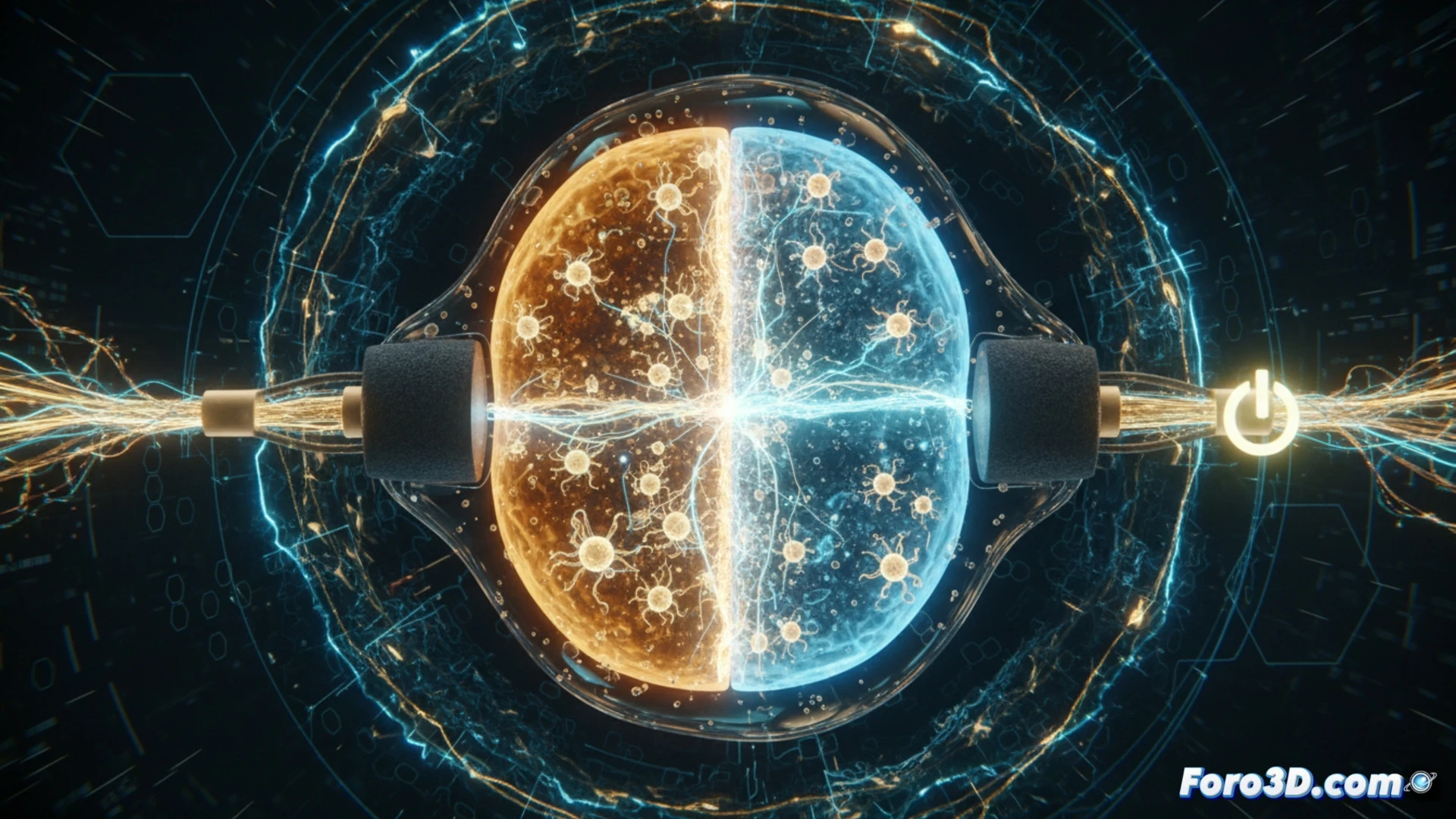
3D Modeling of a Bio-Electrochemical System 🔬
A detailed 3D model of this cell can visually separate its layers and processes. The electrodes, membrane, and microbial biofilm attached to the anode could be represented. Animations would show the urine flow, the degradation of molecules like urea by bacteria, and the path of the released electrons to the external circuit. Simulations of fluid dynamics and ion concentration would help optimize the device design, virtually testing geometries and materials to maximize electricity production and water cleaning efficiency.
From Simulation to Global Awareness 🌍
Beyond research, an interactive 3D model is a powerful educational tool. It would allow students and the general public to explore this sustainable technology, understanding its potential to treat wastewater in remote communities while generating energy. Visualizing this invisible process fosters innovation and underscores a powerful principle: even in our waste there are valuable resources, and 3D technology helps us see it and believe it.
How can 3D visualization of molecular structures and biochemical flows optimize the design of microbial fuel cells that generate electricity from urine? ⚡
(P.S.: at Foro3D we know that even manta rays have better social bonds than our polygons)