President Macron's warning about the risk of Iraq being dragged into a cycle of regional violence underscores the geopolitical complexity of the Middle East. At Foro3D, we propose going beyond textual analysis and using 3D visualization tools to break down this conflict. Three-dimensional cartography and simulation models allow for accurately representing the movements of actors, attack routes, and the fragile sovereignty of states, providing tangible context to leaders' statements.
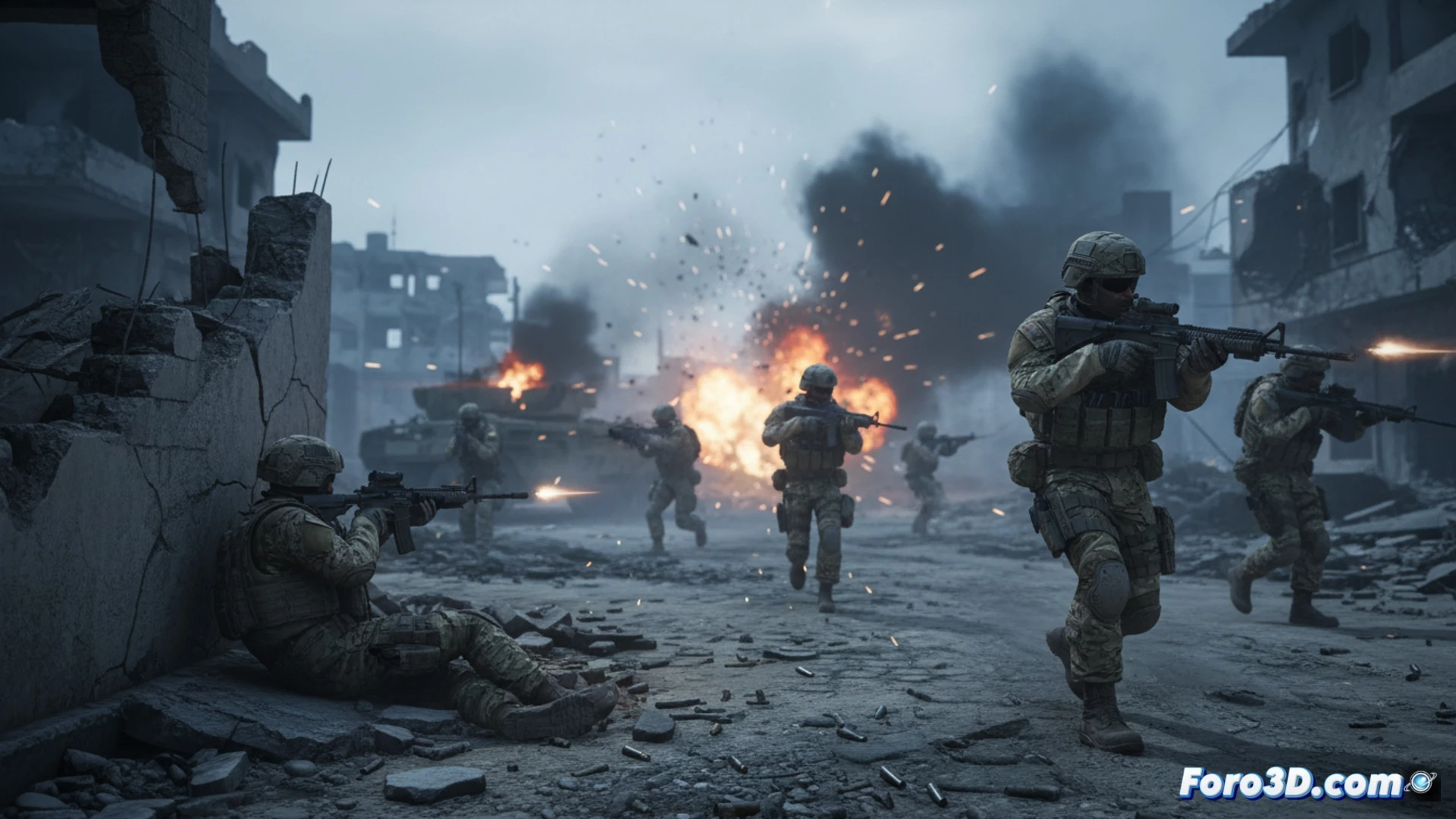
Digital twins and interactive 3D maps for geopolitical analysis 🗺️
A technical approach to this scenario would involve developing a geospatial digital twin of the region. This 3D model would integrate crucial layers of information: topography, key infrastructure, deployment of militias such as the Popular Mobilization Forces, and bases of external actors. It would be possible to visualize in real time the range of reported attacks, such as the one in northern Iraq, and trace lines of tension. The power of an interactive 3D map lies in its ability to simulate escalation scenarios, modifying variables and observing potential effects on the country's stability, turning abstract data into an understandable spatial narrative.
Sovereignty in the era of conflict visualization 🧩
3D technology not only serves to represent conflicts but also to raise awareness about their multidimensional nature. By modeling the penetration of non-state actors and regional pressures on a state like Iraq, we make visible the erosion of sovereignty that Macron mentions. These tools transform geopolitical analysis into an immersive experience, allowing the community to understand why containment and stability are such fragile concepts that visually depend on the territory.
Do you think digital twins can help in post-conflict reconstruction?