The fourth season of The Witcher, with work from Eyeline Studios, elevates its visual impact through expansive digital environments. These settings, key to the dark aesthetic of the Continent, are not just background. They integrate into the narrative, like a bridge where atmosphere and action converge. The technical and artistic challenge lies in creating believable worlds that expand the scale and immerse the viewer in a somber and tangible reality.
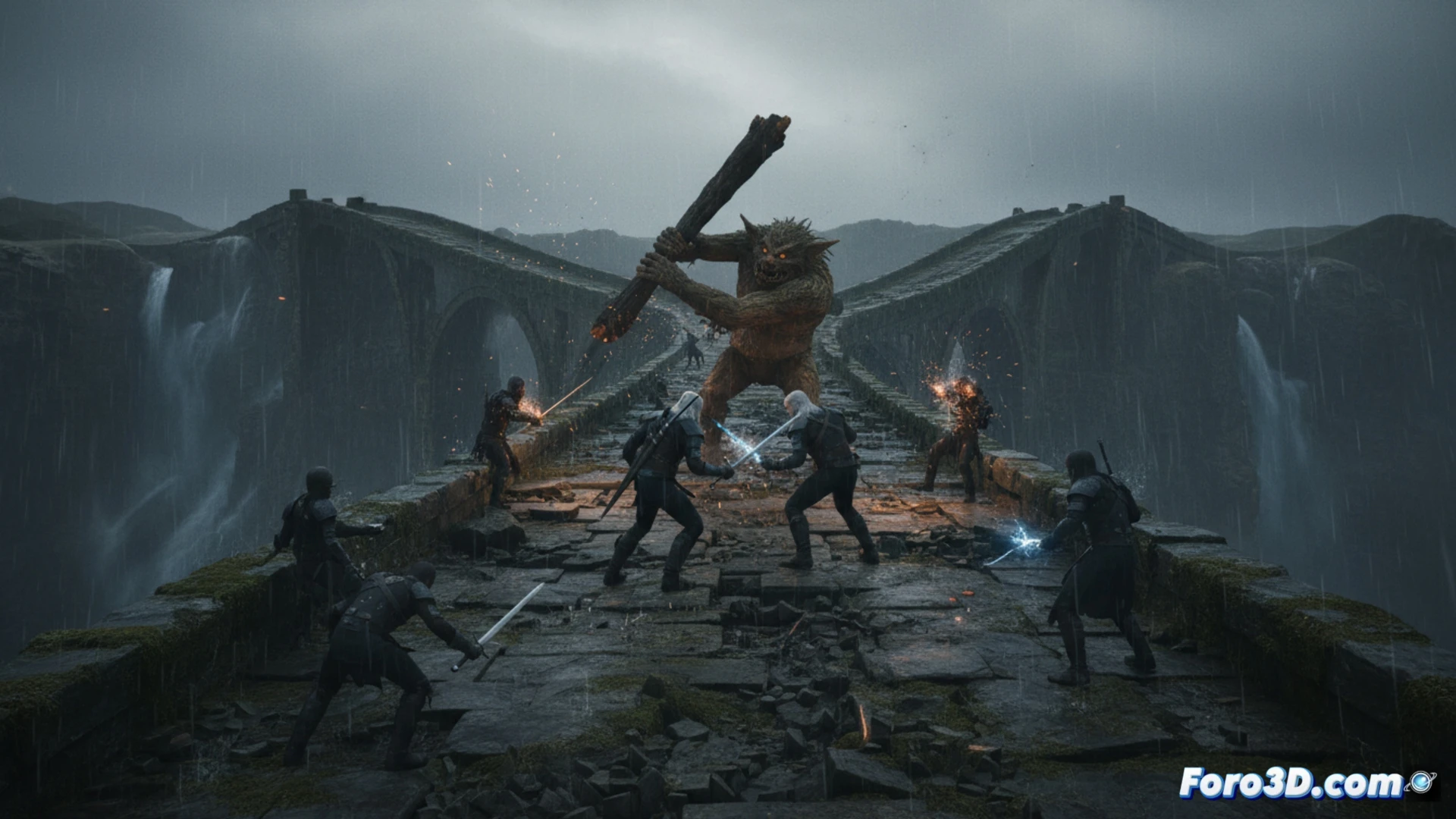
FX Integration: From the Colossal Troll to the Visceral Battle 🎬
A case study is the battle against a colossal troll. Here, the VFX seek the balance between the mythical and the visceral. The digital creature must have weight, believable movement, and a physical presence that interacts with the environment and the actors. The simulation of its musculature, skin, and the brutality of its blows is crucial. The sequence is built by integrating motion capture, detailed animation, and dynamic simulation effects like dust and debris, all to make the action feel organic and the threat real and tangible.
Technology in Service of the Dark Narrative ⚙️
The success of these VFX is not measured solely by their technical realism, but by how they reinforce the narrative. The immersive environments and the colossal creature amplify the darkness and epic scale of the story. Eyeline Studios' work demonstrates that the perfect visual effect is one that, being complex, goes unnoticed as an integral part of the world, enhancing the most intense moments and the viewer's emotional experience.
How did Eyeline Studios integrate the expansive digital environments and VFX creatures into The Witcher 4 to maintain immersion and visual coherence with the filmed physical world?
(P.S.: VFX are like magic: when they work, no one asks how; when they fail, everyone sees it.)