The first trailer for Disclosure Day, Steven Spielberg's new film, confirms a tone far removed from dazzling spectacle. Prioritizing an atmosphere of unease and growing suspense, the film explores the psychological and global consequences of extraterrestrial contact. This narrative approach demands a very specific use of visual effects, a task entrusted to Digital Domain and its supervisor Joel Behrens, whose work must be invisible to serve the tension.
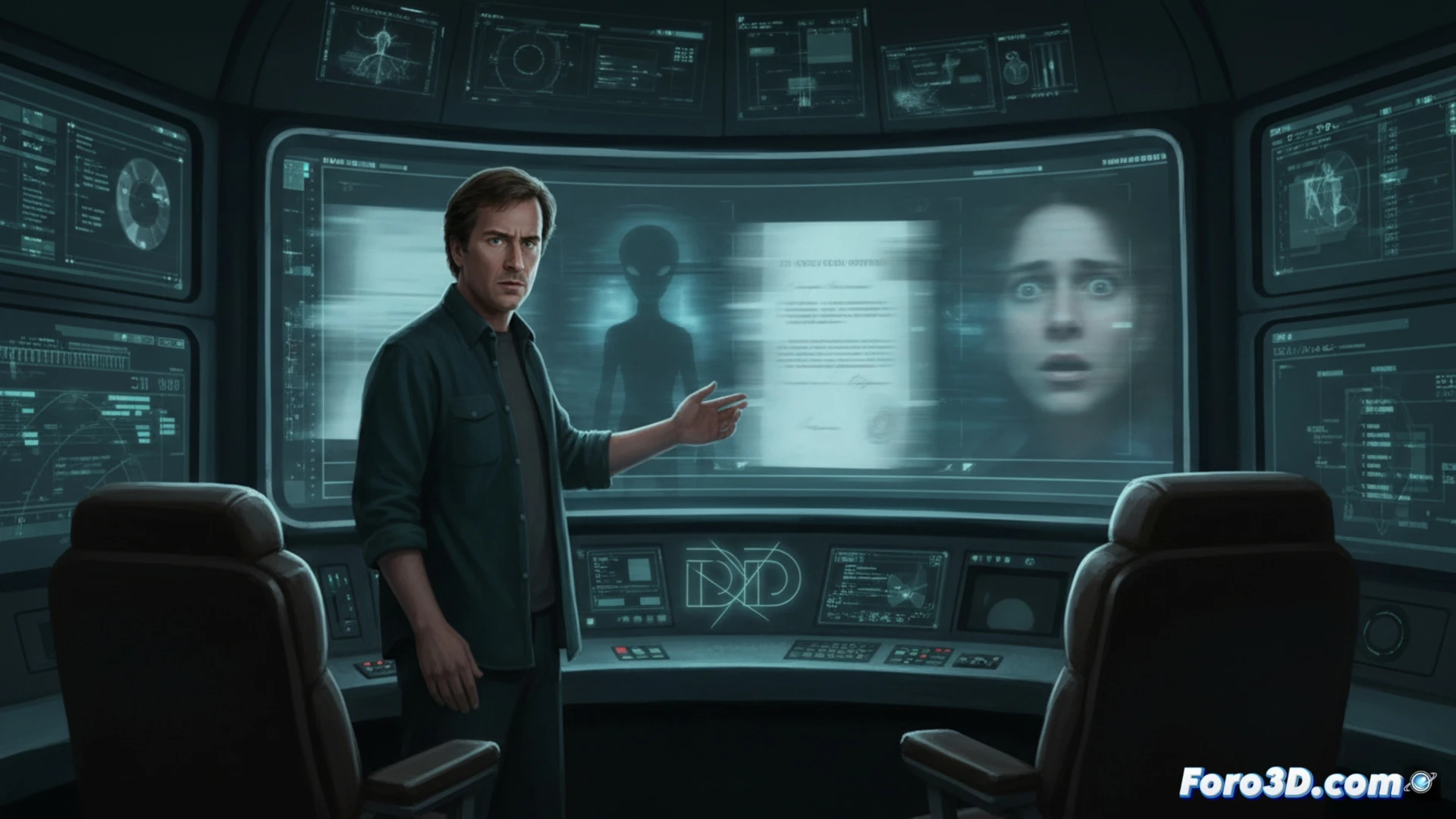
VFX Pipeline in Service of the Atmosphere 🎬
Achieving a restrained tone in a global-scale production is a major technical challenge. Digital Domain's pipeline, from previsualization to final post-production, must be oriented toward subtlety. This involves creating believable digital environments and possible alien elements that generate unease without being explicit. The integration of light, texture, and composition will be key to maintaining verisimilitude and the mood Spielberg seeks. Behrens' supervision is crucial to ensure that every effect, no matter how discreet, drives the narrative and does not overshadow it.
The Narrative as Guide for the Effects 🛸
Disclosure Day reflects a trend where VFX is a narrative tool rather than an end in itself. Visual spectacle gives way to psychological pressure and the construction of a world that feels real under extraordinary premises. The film's success will depend on how its effects, no matter how complex internally, dissolve into the emotional experience, demonstrating that the greatest impact does not always come from the most visible.
How does Spielberg's decision to prioritize narrative over visual spectacle influence the design and integration of the visual effects in Disclosure Day?
(P.S.: Previz in cinema is like the storyboard, but with more chances for the director to change their mind.)