The animated film KPop Demon Hunters, a Netflix hit and awards contender, has marked a technical milestone by integrating Unreal Engine 5 into its production pipeline. Although the final animation was done in Maya, it was in the previsualization and set design phases where this video game engine demonstrated its transformative power. Real-time technology enabled seamless collaboration between departments and gave artists unprecedented creative freedom to experiment with complex cinematic shots much earlier in the process, optimizing time and resources extraordinarily.
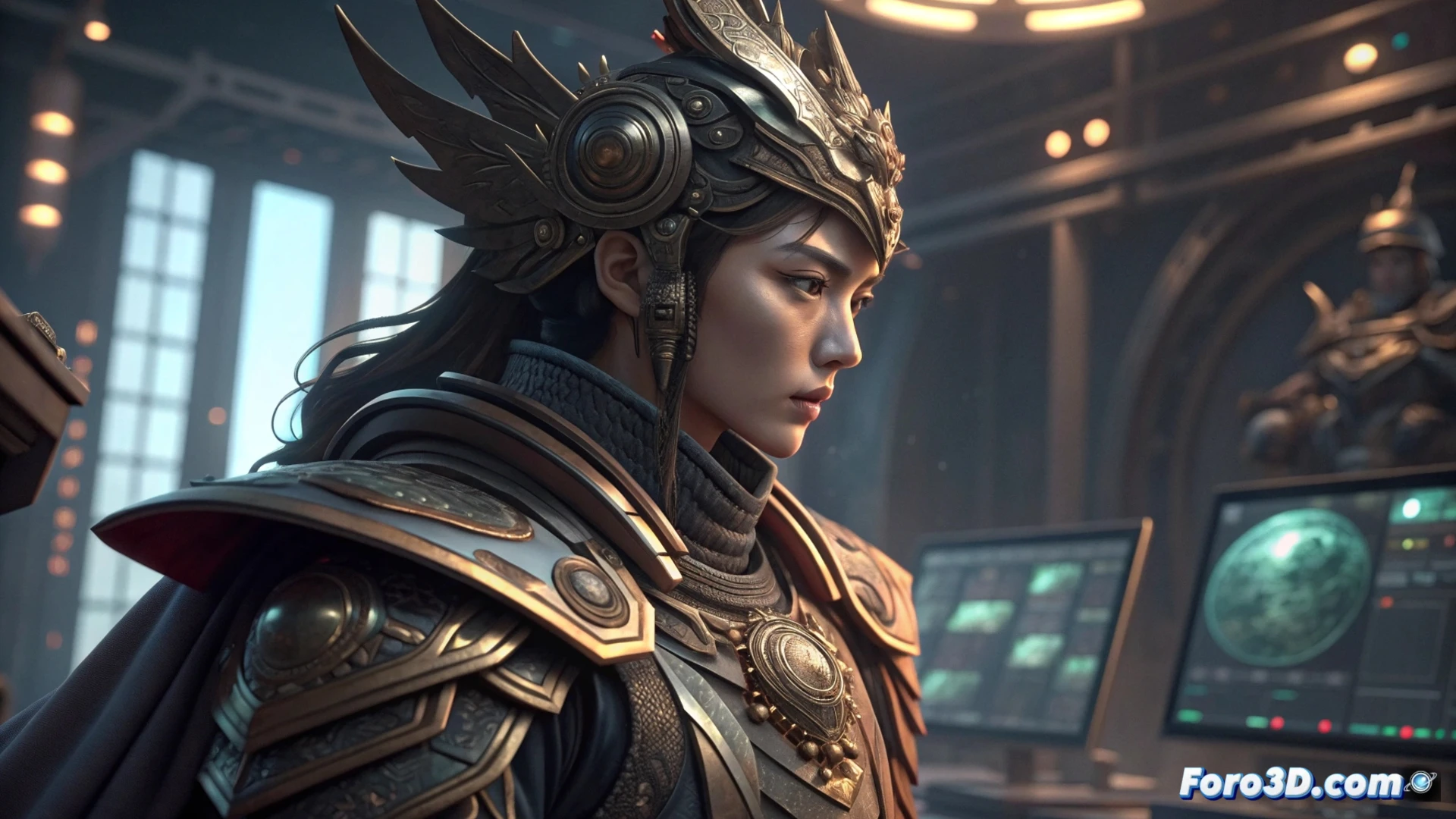
Real-time Previsualization and Crowd Management with USD 🎬
The core of this revolution lies in two pillars: interactive previsualization and the use of USD (Universal Scene Description) frameworks. UE5 allowed the team to build and modify complex virtual sets that updated instantly, facilitating decisions on lighting, framing, and visual narrative in very early stages. Additionally, the engine proved invaluable for managing crowds. The team developed a system based on control rigs that, over a base model, allowed quick swapping of hairstyles, clothing, and accessories. This agility was crucial for efficiently creating massive scenes, like a stadium filled with unique characters, a task that traditionally consumes enormous amounts of time.
A Paradigm Shift in Animation 🚀
The KPop Demon Hunters case consolidates an unstoppable trend: video game engines are no longer just for games. Their ability to offer immersive and collaborative real-time environments is redefining workflows in animation and film. This approach shifts creative freedom and experimentation capacity to the pre-production phase, where changes are less costly. The result is a paradigm where technology drives, rather than limits, the artistic vision, allowing studios to tackle more ambitious visual challenges with greater control and efficiency.
How is Unreal Engine 5 being used to redefine the pre-production phase and visual narrative in the cinematic animation industry, as demonstrated by the KPop Demon Hunters case?
(P.S.: Previz in film is like the storyboard, but with more chances for the director to change their mind.)