The movie Undertone redefines psychological horror by giving sound the starring role. With a contained narrative that unfolds in a single house, it follows a podcaster investigating cursed audio tapes. Fear does not arise from visible monsters, but from an intelligent soundtrack where hidden messages, inverted music, and ambiguous noises infiltrate daily reality. This auditory subtlety creates deep unease, demonstrating that what is heard can be more disturbing than what is seen.
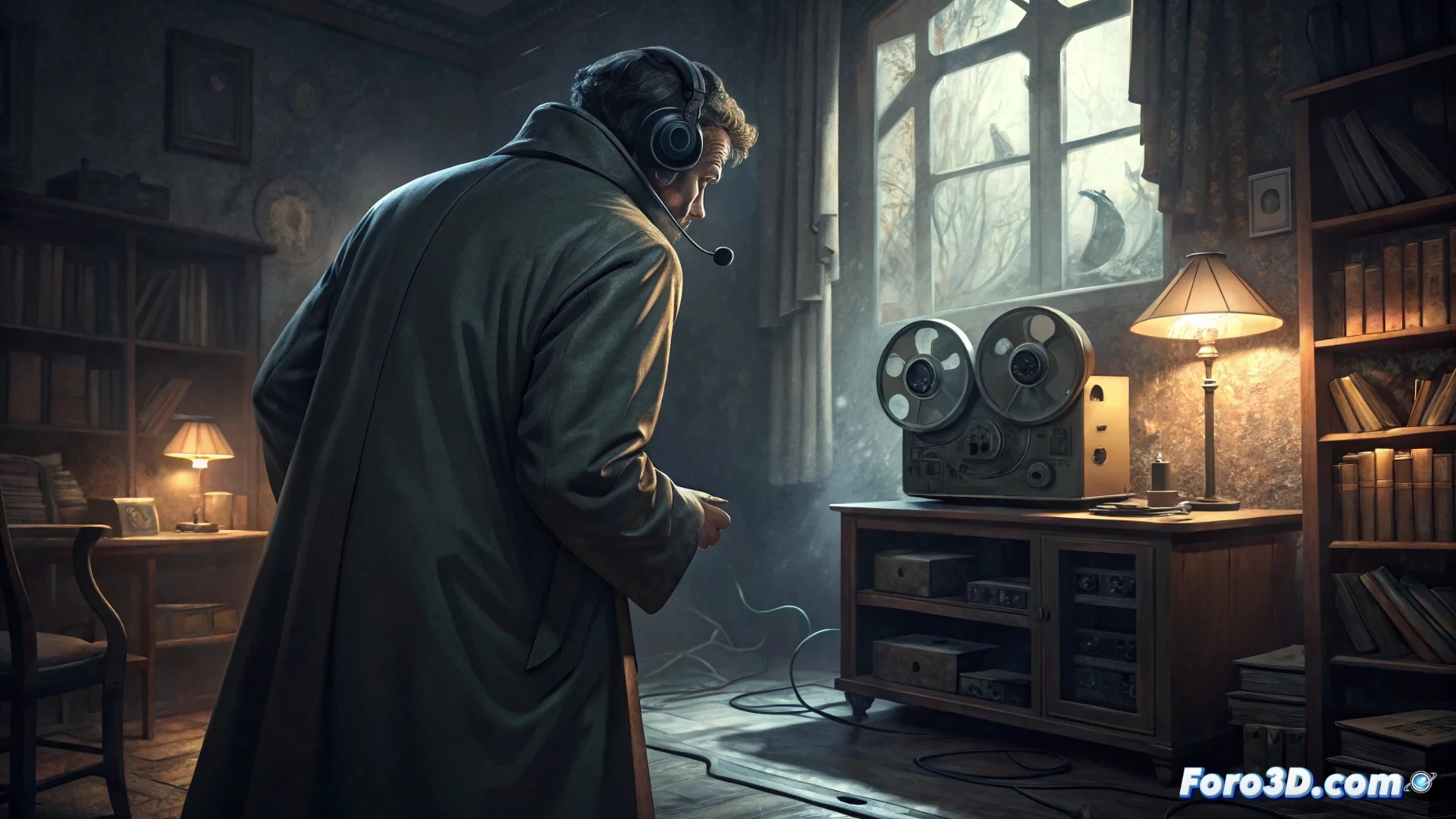
3D Audio and Binaural: Building the Invisible Atmosphere 🔊
The effectiveness of Undertone lies in spatial sound techniques that could be planned in preproduction. The potential use of binaural audio or surround mixes positions sounds within a three-dimensional field, making whispers or knocks seem to come from behind the viewer or from another room. This technology allows for precise design of sonic ambiguity, transforming the auditory space into another character. Previsualization and acoustic simulation tools would enable directors and sound designers to map these psychological effects before shooting, integrating the sound layer from the storyboard to maximize its narrative and emotional impact.
The Narrative Power of the Suggested 👁️
Undertone aligns with classics like The Shining, where sound sustains tension. Its lesson is clear: auditory suggestion surpasses visual explanation. By denying the viewer concrete images, spatial sound design forces the imagination to complete the horror, generating a personal and more intense experience. This technical and narrative approach underscores that true terror does not reside in what you show, but in what you force to be heard.
How can subjective sound design build the psychology of horror and redefine visual narrative in low-budget cinema?
(P.S.: Previz in cinema is like the storyboard, but with more chances for the director to change their mind.)