Netflix's miniseries Treason, starring Charlie Cox, proves that excellence in execution can redeem a familiar premise. The plot, which follows an MI6 officer dragged into a conspiracy by figures from his past, does not reinvent the spy genre. However, its impact lies in the depth that a top-tier cast brings to every scene. This bet on acting quality transforms a predictable script into a solid and highly bingeable TV experience, strengthening the actor's bond with the platform after the success of Daredevil.
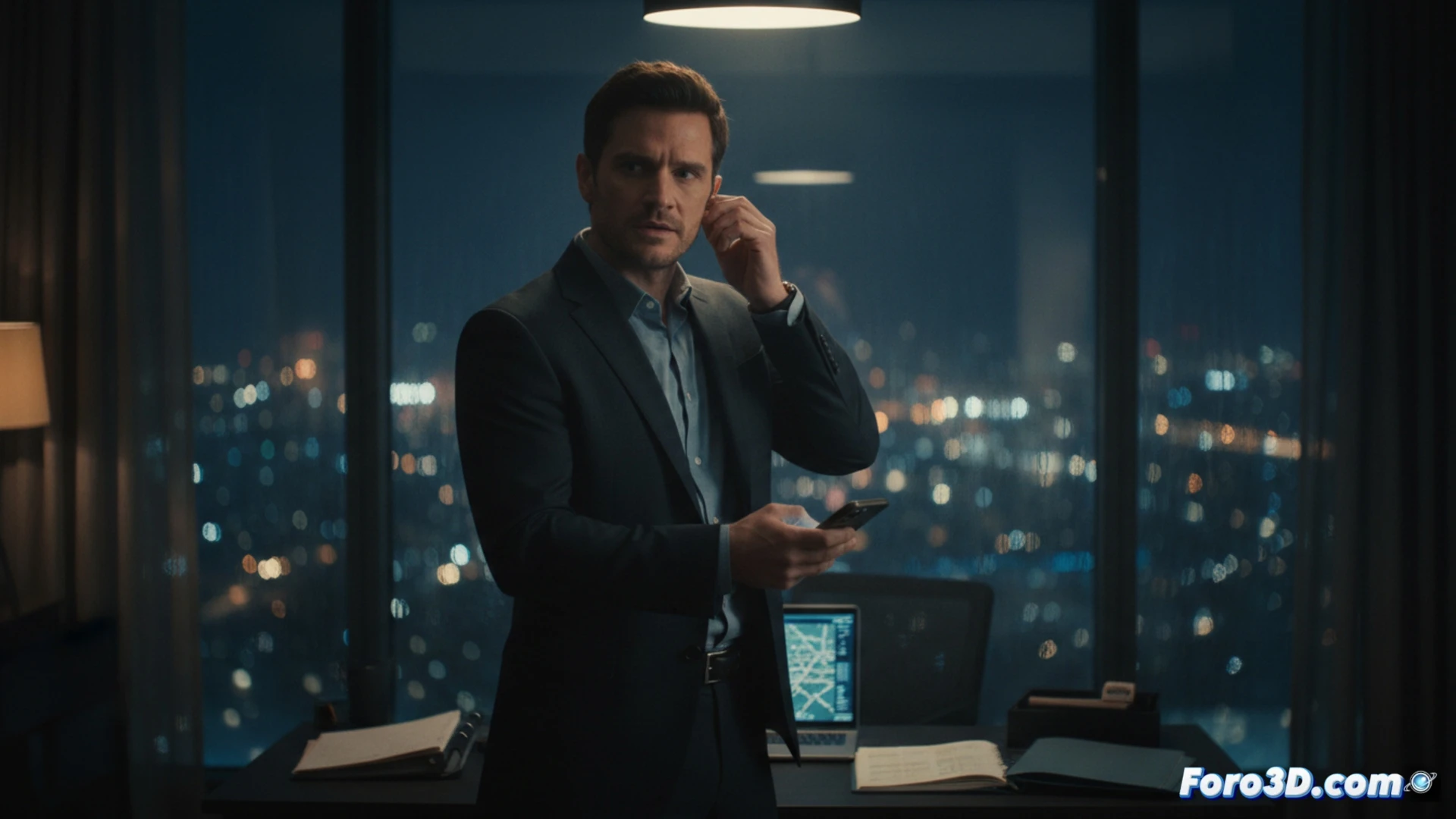
Visual Storytelling and Cast: When Acting is the Special Effect 🎭
Treason operates with a conservative visual and narrative language, prioritizing intense close-ups and a classic atmosphere of distrust. The innovation is not in the art direction or cinematography, but in the layer of verisimilitude added by its actors. Cox, alongside veterans from franchises like the MCU, Game of Thrones, and Bond, elevates the material through nuances and chemistry. This approach reveals a contemporary production strategy: using recognizable faces and established talent as the main narrative anchor. The platform invests in the cast's credibility to compensate for complex plot twists, making the tension arise from interactions rather than the plot itself.
The Bingeable Model and the Economy of Familiarity 📺
The success of series like Treason consolidates a model where familiarity is a key asset. Netflix and other platforms exploit the narrative capital accumulated by actors in major sagas, transferring audience loyalty to new projects. This creates an ecosystem where visual storytelling relies less on formal innovation and more on pre-existing emotional association with the performers. The result is effective and consumable content that satisfies without surprising, prioritizing technical solidity and acting performance over risky experimentation.
How does the miniseries Treason build narrative tension and psychological depth through the chemistry and casting decisions of its main actors, challenging the clichés of the spy genre?
(P.S.: Previz in cinema is like the storyboard, but with more chances for the director to change their mind.)