The European TRANSIS LAB project, led from Navarre, transcends the traditional welfare approach to position itself as an experiment in participatory democracy in the rural sphere. Its core is the creation of social innovation laboratories where administrations, entities, professionals, and citizens co-design solutions for care. This collaborative process seeks not only to improve care for dependents and caregivers but also to strengthen local governance and the community fabric through active participation.
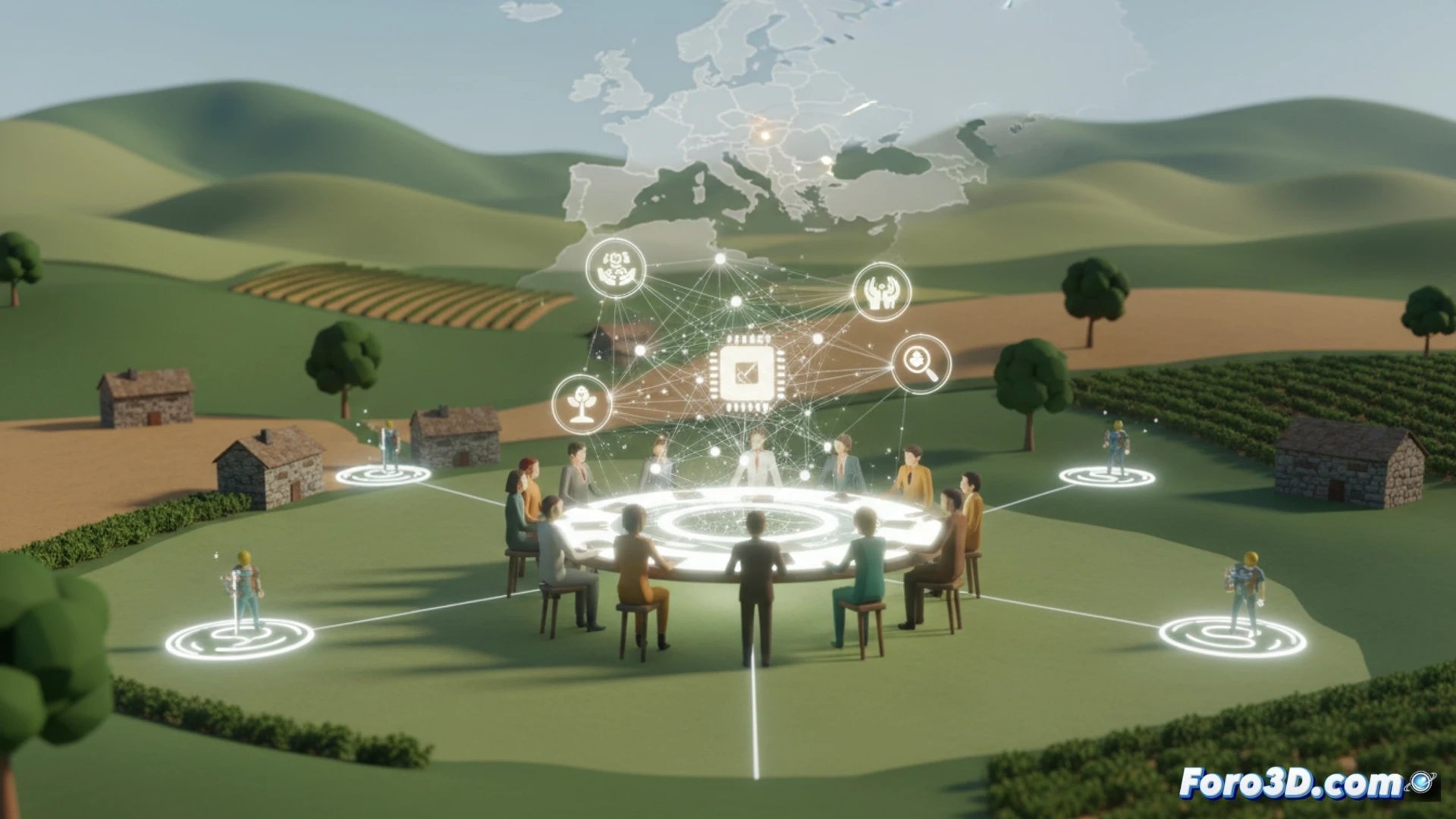
Co-creation methodology and technology as a facilitator 🧪
The TRANSIS LAB methodology is based on multi-actor collaboration in social innovation laboratories, structured co-design spaces where challenges are identified and solutions are prototyped. This approach turns end users into active agents of change, democratizing the creation of social policies. Technology acts as a facilitator, not an end in itself, to connect dispersed territories, share knowledge, and test tools that support new care models. The project operates as a European network for the transfer of good practices, adapting successful solutions to specific rural contexts through this participatory process.
Participation as community care 🤝
TRANSIS LAB demonstrates that the participatory process itself is a form of community care. By involving citizens in the search for solutions, isolation is combated and a sense of collective agency is generated. The project redefines social innovation in rural areas: it is not just about delivering services, but about creating local capacities and new models of collaborative governance that make care systems more resilient and legitimate.
How can digital democratic innovation, like that promoted by TRANSIS LAB, transform governance and citizen participation in the provision of care in rural settings?
(P.S.: 3D electoral panels are like promises: they look very nice but they need to be seen in action)