In a Japanese Grand Prix where competitiveness was notably absent, Aston Martin opted for an ingenious strategy. With the AMR26 out of the points battle, Fernando Alonso and Lance Stroll organized a private mini-race between them during the test. Their goal was not spectacle, but science: collecting real-time data on energy management and the new attack and defense modes of the regulations. This decision turned a low-performance session into a laboratory on asphalt, demonstrating that technical innovation does not stop even when there is no glory in sight.
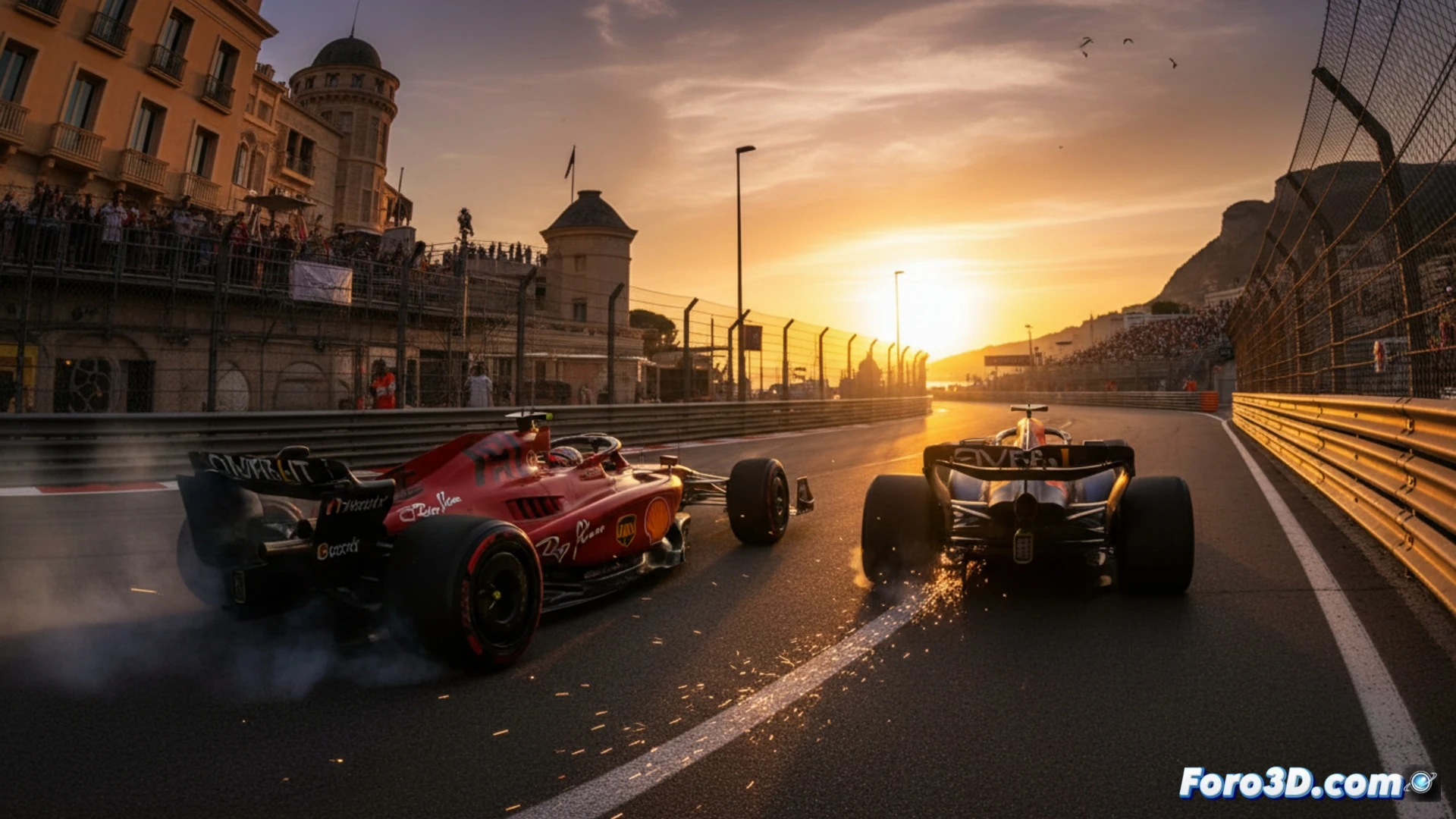
The methodology of the laboratory on wheels: physical simulation and data analysis 🧪
The mini-race was a structured physical simulation exercise. The drivers swapped positions deliberately to generate data in different roles: the defender and the attacker. Each leadership change, each braking and each acceleration with specific engine modes generated streams of information on energy consumption, component wear, and the effectiveness of permitted strategies. Although Stroll's hydraulic leak cut the experiment short, the data collected up to lap 30 was valuable. Honda, the power unit supplier, was able to analyze the hybrid system's behavior in conditions of close combat, critical information for prioritizing improvements in reliability and energy management, which are the foundation of future performance.
Beyond the simulator: when the track is the ultimate testing environment 🏎️
This episode underscores an evolution in motorsport. Simulation is no longer confined solely to test benches or factory software. The track itself becomes a controlled simulation environment, where what was previously modeled digitally is validated in physical reality. The ability to improvise a real-time testing protocol, sacrificing immediate results for long-term knowledge, is a competitive advantage. It shows how the boundary between the 3D virtual world, data analysis, and circuit reality blurs, creating a continuous learning cycle that defines the most adaptive teams.
Do you think VAR would improve with real-time 3D reconstructions?