John Carpenter's Toxic Commando presents itself as a stylistic exercise that transplants the cinematic essence of the horror master to a cooperative video game. It achieves notable atmospheric fidelity through a tense synth soundtrack and an art direction that emulates his color palettes. However, behind this perfectly executed layer of homage, the game reveals a series of questionable design decisions, especially in its endgame, which make it an interesting case study on the integration between form and gameplay. 🎮
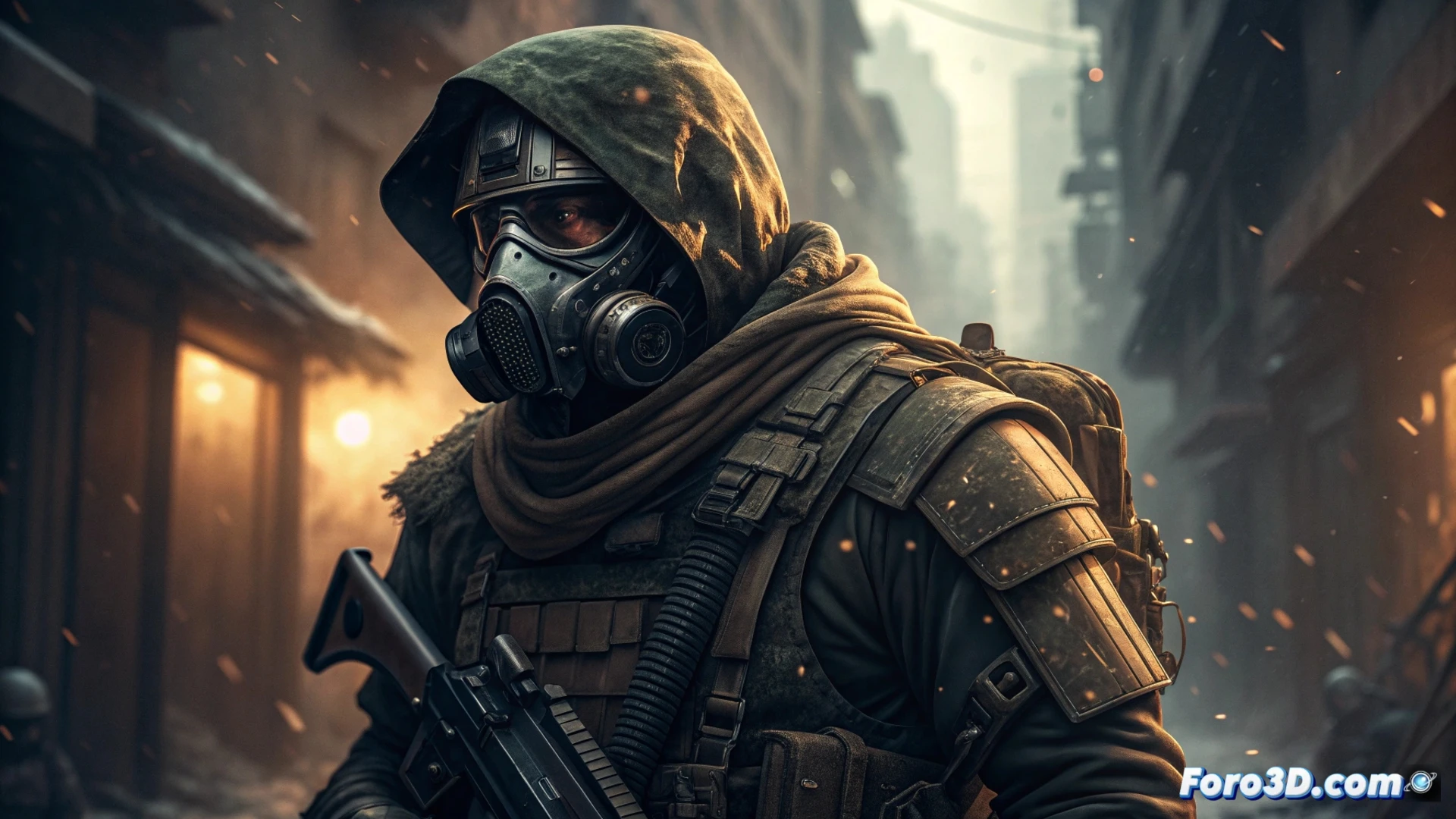
The Swarm Engine and the technical challenge of hordes 🧟
The most standout technical aspect is the Swarm Engine, created specifically to manage the massive hordes of zombies that define the game. The challenge here is not just rendering hundreds of enemies on screen, but endowing them with believable behaviors and stable performance. It likely employs advanced instancing techniques and aggressive level of detail (LOD) systems for distant models, combined with a swarm AI that manages groups as a collective entity rather than complex individuals. This approach enables the visual spectacle, but also explains a certain homogeneity in enemy behaviors, a classic trade-off between scale and depth.
Mechanics design: when atmosphere doesn't sustain gameplay ⚙️
The design shows a disconnection between the setting and the core mechanics. The inclusion of off-road vehicles, while adding exploration, breaks the tense rhythm that the soundtrack and aesthetics try to build. The biggest flaw lies in the endgame design, which degenerates into a routine of repetitive grind. This underscores a crucial lesson: a powerful environmental narrative and precise artistic homage are not enough if the gameplay mechanics do not evolve and do not offer depth or variety in the long term. The initial tension dissipates when the gameplay reveals itself as monotonous.
How is John Carpenter's characteristic atmosphere and visual narrative translated into gameplay mechanics and level design in a cooperative shooter like Toxic Commando?
(P.S.: game jams are like weddings: everyone happy, no one sleeps, and you end up crying)