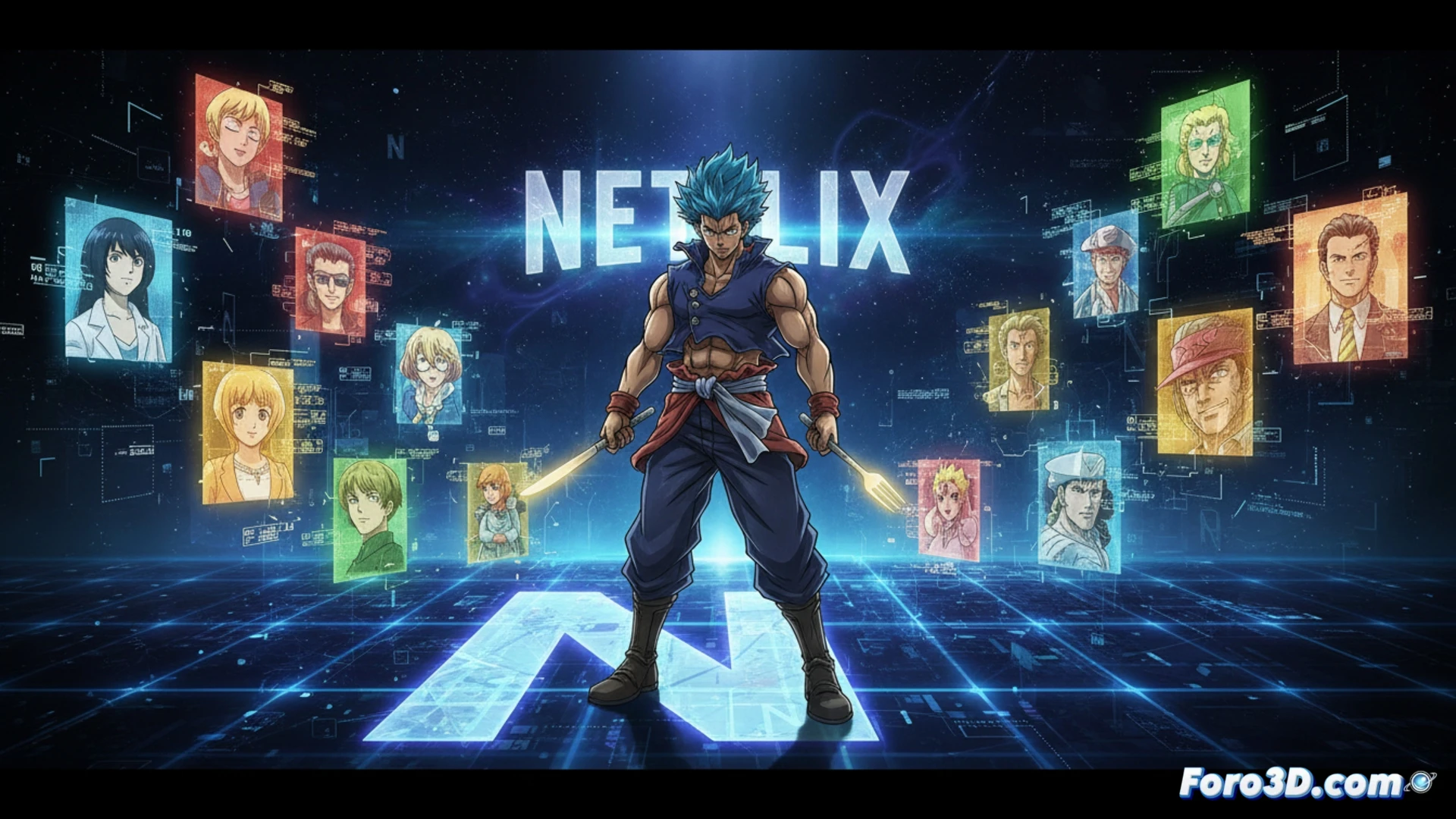
The announcement of the premiere of Toriko on Netflix in 2026 is more than just a simple content acquisition. It represents a case study on the strategic revitalization of an intellectual property. This series, promoted in its day as the spiritual successor to Dragon Ball Z, seeks a new global audience through digital distribution. For developers, this phenomenon illustrates how streaming platforms can revive dormant franchises, offering valuable lessons on the lifecycle of an IP and the management of its legacy in the current digital ecosystem.
Platforms as Catalysts: Visibility and New Markets 🚀
Netflix acts here as a key catalyst, granting Toriko visibility that was impossible in its original launch. This model is directly extrapolable to video game development. Platforms like Game Pass, PS Plus, or even Netflix itself with its foray into gaming, operate under similar logic: they offer a second life to niche titles or those underexplored in certain regions. For a studio, having their game on these services can mean access to a massive audience, community generation, and the possibility of testing the market for sequels or merchandising. The crossover available with Dragon Ball and One Piece underscores another crucial tactic: using established IPs as a springboard, a marketing and engagement strategy that video games frequently employ with DLCs or collaborative events.
Lessons for Developers: Long-Term IP Management 📈
The arrival of Toriko on Netflix reinforces the idea that an IP is never truly finished. For video game creators, this highlights the importance of planning the long-term management of their properties, beyond the initial launch. Distribution rights, possible remasterizations, and strategic alliances with platforms become critical elements. Digital relaunch not only generates new revenue but keeps the community alive and can revalue the franchise for future projects, demonstrating that in the digital era, a title's window of opportunity can reopen when least expected.
How can video game developers leverage the relaunch of classic IPs on digital platforms to create interactive experiences that expand the narrative universe and capture a new audience?
(P.S.: game jams are like weddings: everyone happy, no one sleeps, and you end up crying)