The long and bumpy journey of The Wolf Among Us 2 has become a paradigmatic example of the challenges in video game development. Started in 2017, its development was cut short by the fall of the original Telltale Games. Although the reorganized studio picked it up from scratch, subsequent silences gave it up for lost. A recent rumor now suggests that an anonymous studio in Argentina might be at the helm, with a possible release in 2027, reigniting hope and questions about its viability.
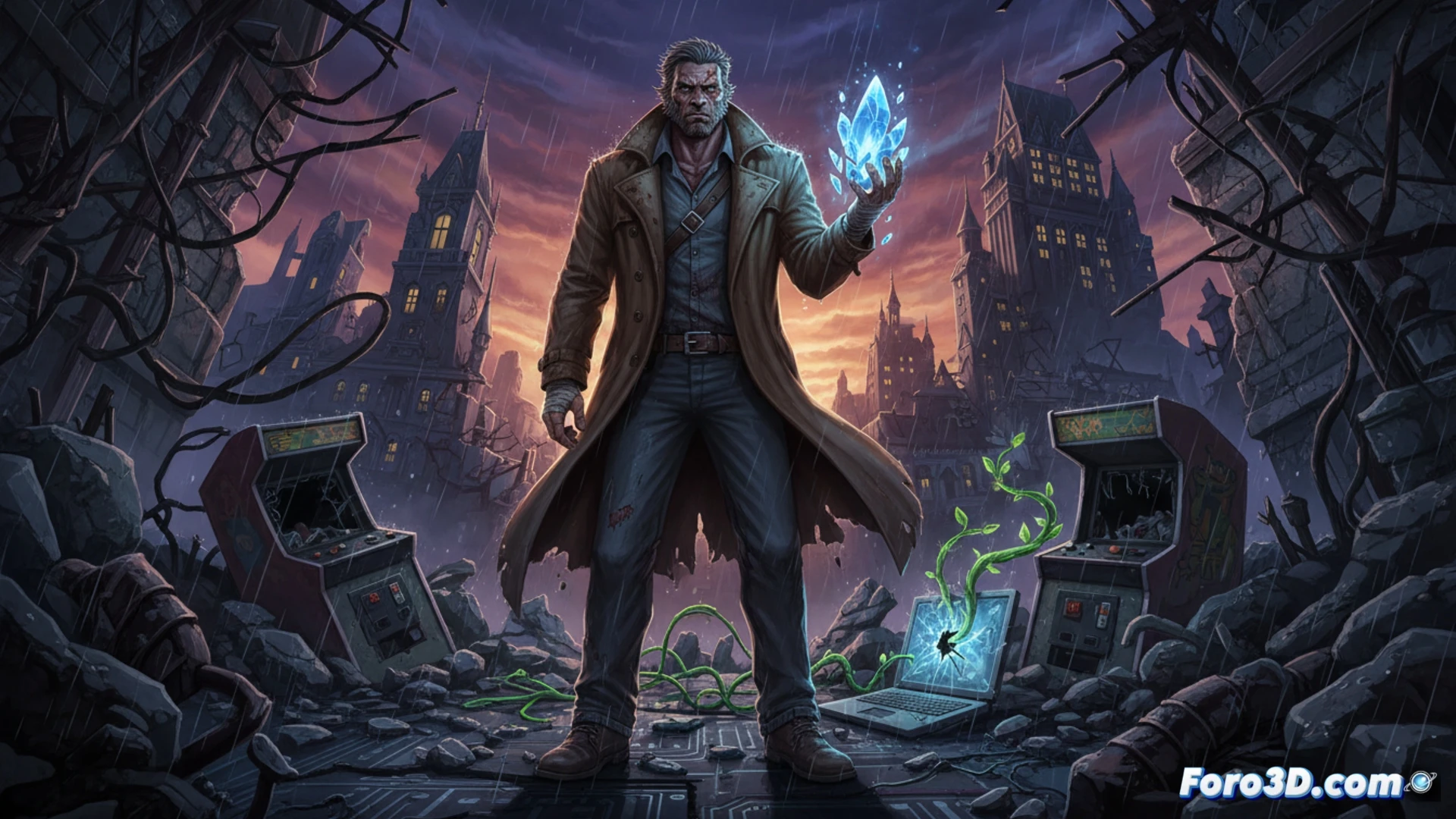
Restarts, Engine Changes, and the Loss of Original Knowledge 🛠️
The case is technically revealing. The project not only changed hands but was completely restarted, presumably abandoning Telltale's proprietary engine for a modern one like Unreal Engine. This implies redoing animation pipelines, narrative tools, and dialogue systems from scratch. Additionally, the AdHoc Studio team, made up of original creators, wrote a full season before leaving to found their own studio. This exodus represents a critical loss of project knowledge and vision, forcing the new team to interpret or reinvent the base material, a huge risk for a narrative saga.
Lessons in Project Management and Continuity 📋
This saga underscores the fragility of projects in unstable studios. Long-term planning and robust documentation are vital for continuity. Such a radical change in team and technology, while offering a more solid technical base, threatens creative cohesion. The possible resurrection of the game is a testament to the strength of the intellectual property, but also a warning about the need for resilient development structures that survive corporate crises.
What lessons on project management and mental health in development teams can we draw from the turbulent production cycle of The Wolf Among Us 2?
(PS: a game developer is someone who spends 1000 hours making a game that people complete in 2)