Beyond speeches and statements, the dynamic of the conflict between the United States and Iran is being shaped by a raw material reality: the shortage of armaments. While Iran sees its missile reserves diminished and preserves its cheap drones, the U.S. faces the wear and tear of its costly defensive systems. This article uses 3D models to visualize how the supply and production chains of these key systems determine the pace and strategy of a war of attrition. 💥
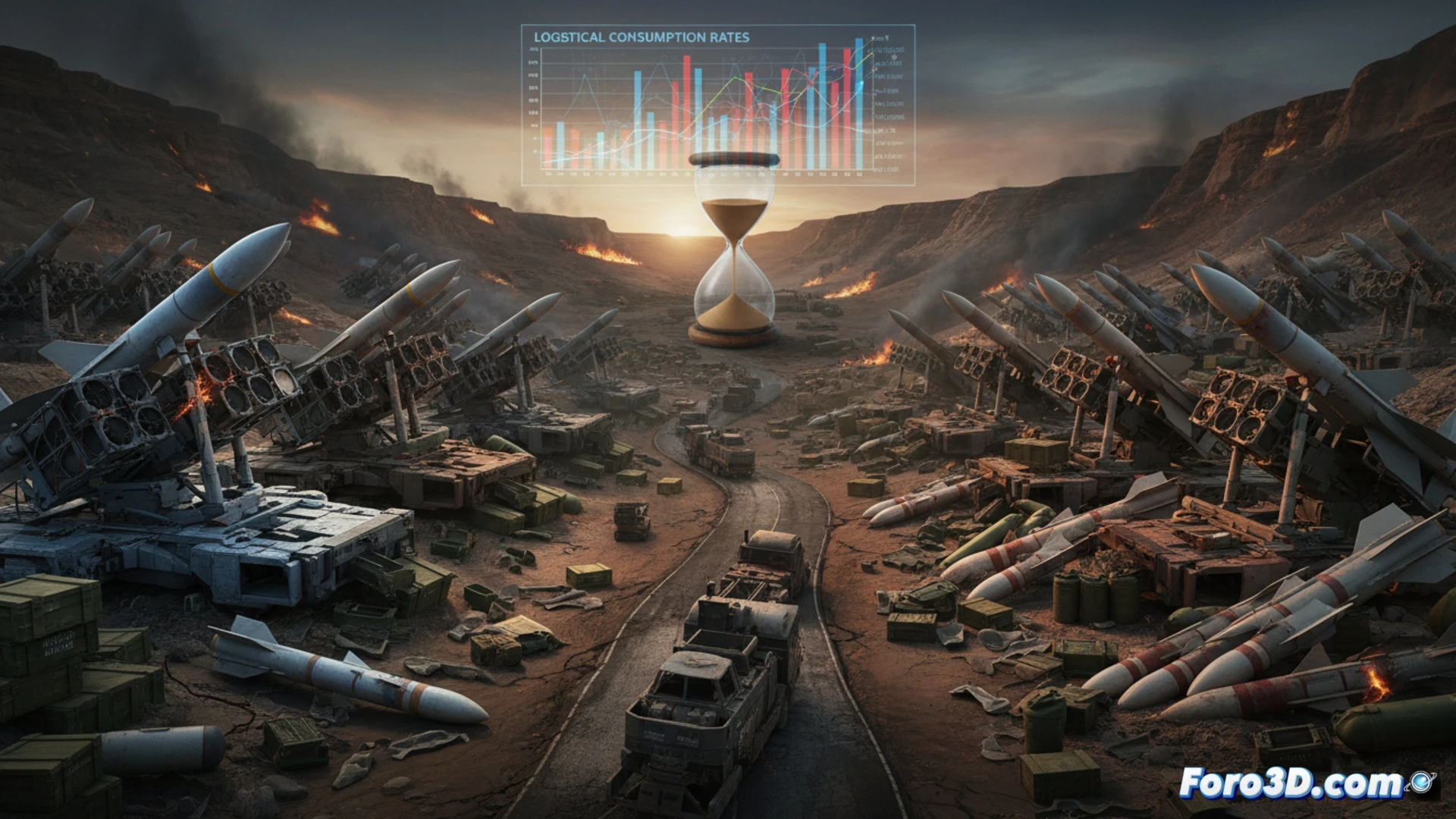
Modeling the bottlenecks: drones, missiles, and air defenses 🎯
To understand the limitations of each side, it is crucial to visualize their critical supply chains. We can model in 3D the production network of Iranian Shahed drones, identifying imported components and assembly lines vulnerable to attacks. Parallelly, a flow diagram can show the rapid depletion of ballistic missile inventories after a massive attack. On the U.S. side, an interactive model can simulate how the continuous launch of interceptors (such as Patriots or SM-6s) depletes global reserves, creating windows of vulnerability in their bases. These visualizations reveal that the pressure is not only on the front lines, but in the factories and logistics warehouses.
Logistics as the decisive battlefield ⚙️
Diplomatic gestures, such as Iran's apologies to its neighbors, and internal concerns in the Pentagon are symptoms of the same disease: logistical strain. Modern warfare is measured not only in territory gained, but in inventories consumed and sustained production capacity. Visualizing these chains allows anticipating that the conflict could be prolonged, but with an intensity modulated by the availability of spare parts, components, and munitions. Victory, in this scenario, could belong to whoever best manages their material attrition.
How would you visually represent the manufacturing concentration in Taiwan?