The video game industry is waging a silent but crucial battle against leaks. What was once assumed to be an inevitable evil is now combated with proactive strategies ranging from internal confidentiality protocols to direct legal actions. This shift in attitude responds to the profound damage caused by leaks: they erode the element of surprise, harm carefully orchestrated marketing campaigns, and in free-to-play models, can completely disrupt long-term monetization and engagement strategies.
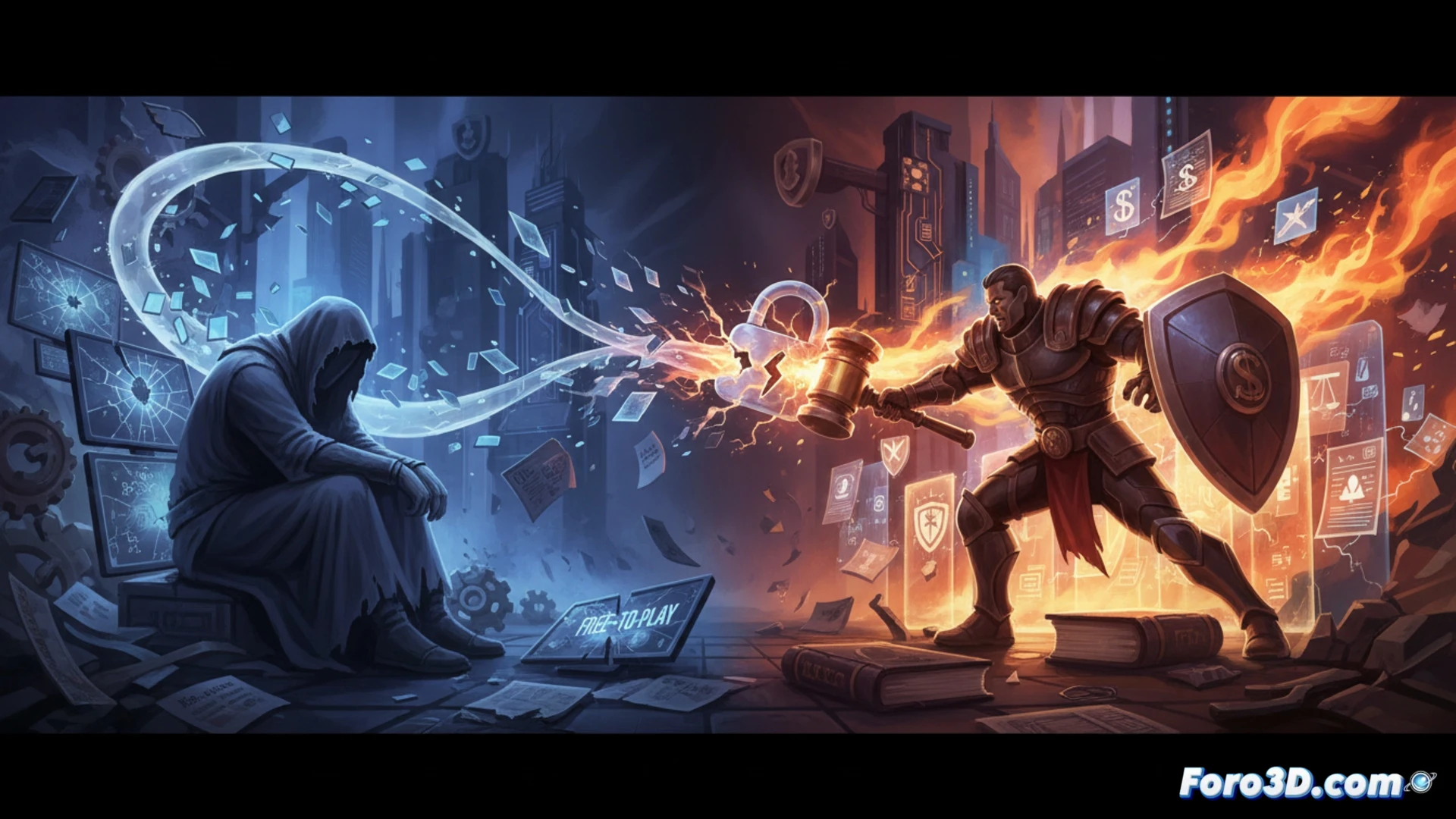
Technical and Legal Strategies: Beyond the NDA 🛡️
Studios have evolved beyond relying solely on non-disclosure agreements (NDAs). Technically, measures such as need-to-know are implemented, limiting access to information, and distributing different builds or data to various teams to track leaks. Some, like Rockstar, have employed disinformation tactics, leaking false content to discredit sources. But the most significant step is legal. The Activision case against the leaker The Ghost of Hope sets a precedent: using lawsuits to obtain cease-and-desist orders, pursuing not only the internal source but also the public disseminator. This adds a layer of legal deterrence to technical protection.
Controlling the Narrative: A Critical Development Asset 🎭
At its core, this offensive is not just about secrets, but about narrative control. For a developer, managing how, when, and what information reaches the community is an integral part of the development and launch cycle. Leaks dismantle roadmaps, generate misaligned expectations, and create public opinion storms based on incomplete builds. By toughening their stance, studios defend their right to present their work on their own terms, protecting the project's creative integrity and commercial viability, especially vital in games-as-a-service where player trust and expectations are the main currency.
To what extent are video game leaks forcing studios to rethink their marketing and internal security strategies, and what legal and creative consequences does this new stage of judicial confrontation have? ⚖️
(P.S.: a game developer is someone who spends 1000 hours making a game that people complete in 2)