The United States Navy has incorporated the autonomous surface drone Lightfish, manufactured by Seasats, into its operations. This vehicle is designed for reconnaissance and surveillance missions, with autonomy that allows it to operate for up to six months and cover 8,000 nautical miles without refueling. Its function focuses on intelligence and maritime domain awareness tasks.
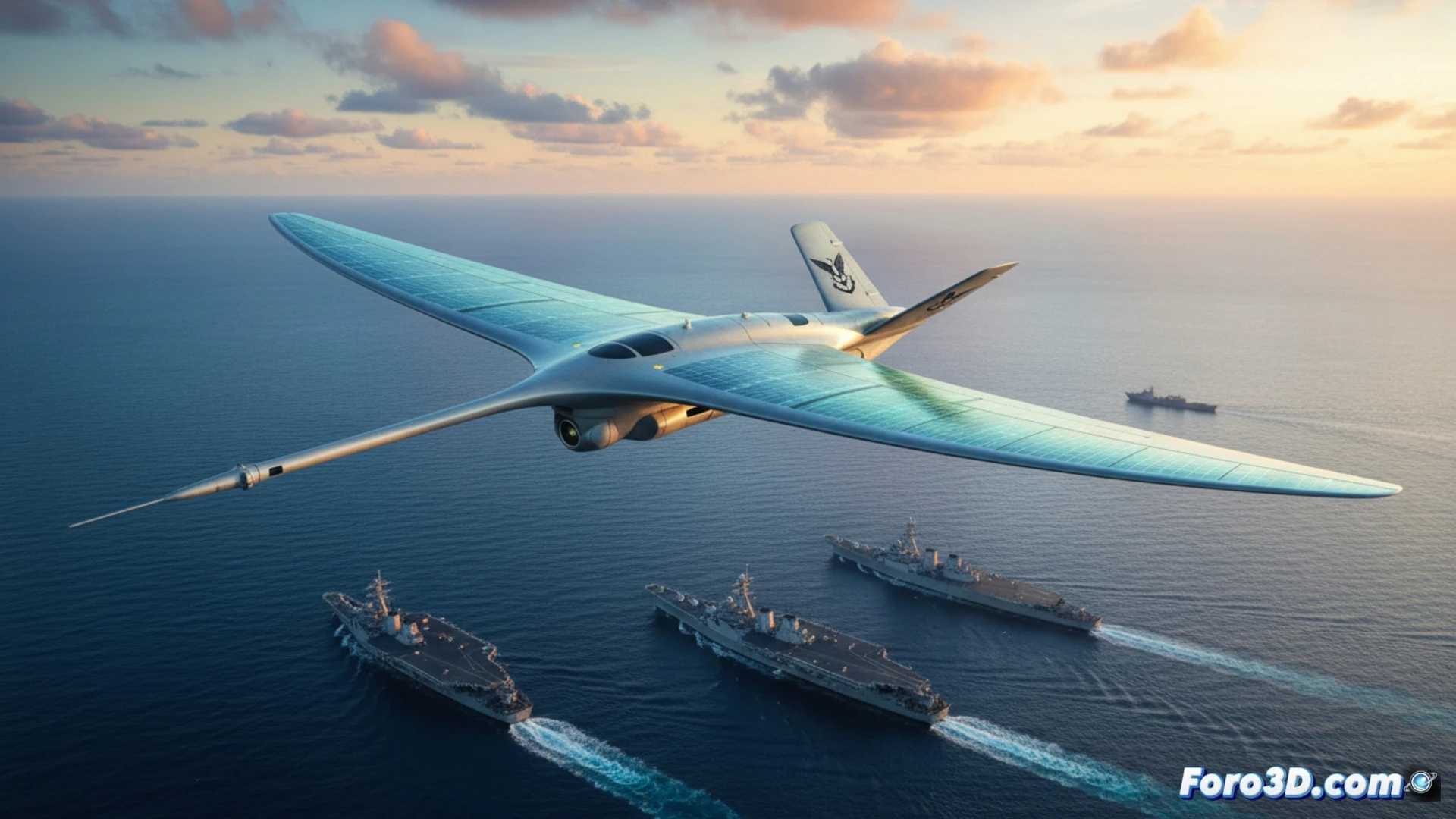
Autonomy and modular design of the autonomous vehicle ⚙️
The Lightfish obtains its energy from a hybrid system that combines solar panels with a methanol fuel cell, which explains its extensive autonomy. Its equipment includes high-definition cameras, AI navigation systems, and redundant communications. The modular design facilitates maintenance and quick payload changes. Seasats indicates that its control is carried out through a web interface, with operational training of only five days.
The silent watchman who doesn't ask for vacations 😎
With this drone, the Navy solves the problem of watch shifts: it doesn't complain, doesn't need to sleep, and its only break is for a sip of methanol. While a human sailor misses the coast after weeks, the Lightfish keeps going, patrolling without getting bored, capturing images and probably wondering, in its code, why fish have a more interesting life. A perfect colleague, if you ignore that it doesn't participate in coffee conversations.