The historical film The Testament of Ann Lee, nominated for a Golden Globe, arrives on Hulu after a modest box office performance in theaters. Starring Amanda Seyfried, it narrates the life of the founder of the Shakers. With excellent reviews highlighting its hypnotic quality, the question arises: how is that meditative rhythm visually constructed? The answer may lie in the digital pre-production phases, where planning defines the final visual experience. 🎬
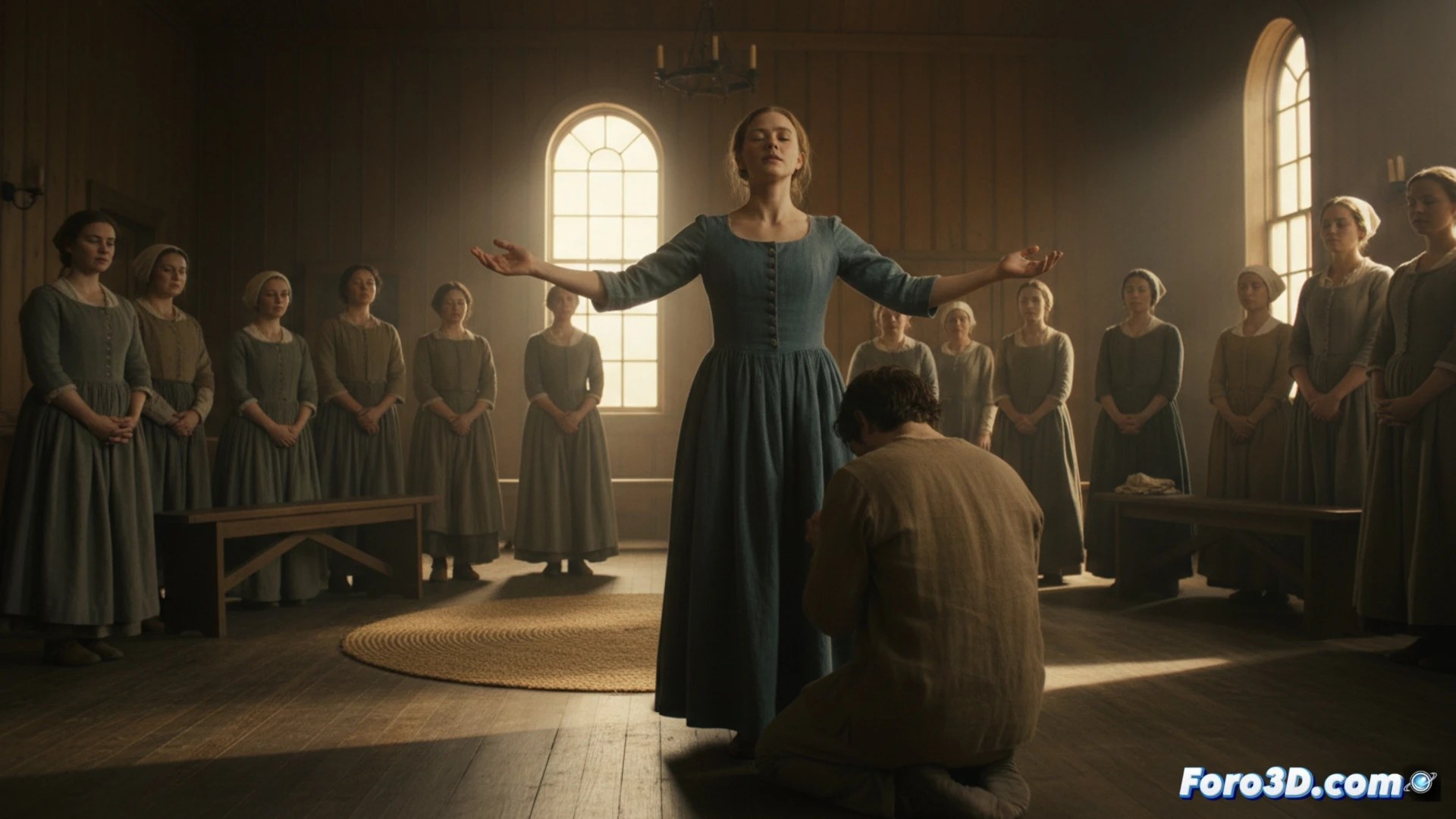
3D Previsualization and Design of an Austere World 🎨
For a period film with a contemplative tone like this one, 3D previsualization and digital storyboards are key tools. They allow locking sequences, testing framings, and defining the narrative flow long before shooting. The hypnotic narrative praised by critics is not accidental; it is planned. Previz tools may have helped design the paused camera movements, the composition of frames within the austere Shaker communities, and the integration of musical sequences, visually choreographing the spirituality and internal rhythm of the story.
From Cinema to Streaming: Planning for Multiple Screens 📱
Its transition to streaming reinforces the importance of robust visual planning. Composition and detail decisions made in pre-production, using digital test environments, ensure that the artistic intent survives on any screen. The meticulousness in designing each shot, possibly refined with digital tools, guarantees that its visual and narrative impact remains intact, demonstrating that good previsualization is the foundation for any destination the film may have.
How was digital planning and hypnotic narrative used in The Testament of Ann Lee to transcend its modest box office and achieve a Golden Globe nomination?
(P.S.: Previz in cinema is like the storyboard, but with more chances for the director to change their mind.)