IDW Publishing revives the classic pulp with The Rocketeer: Infiltrator, a summer miniseries that takes Cliff Secord to 1940 to infiltrate an aviation convention in Los Angeles. With Stephen Mooney on the script and J. Bone on the art, the story promises Nazi intrigue and superficial glamour, with the iconic Betty Paige as a cover. This news, beyond the comic, is a case study on the design of visual narratives, where every art and structure decision foreshadows a potential leap to animation or film.
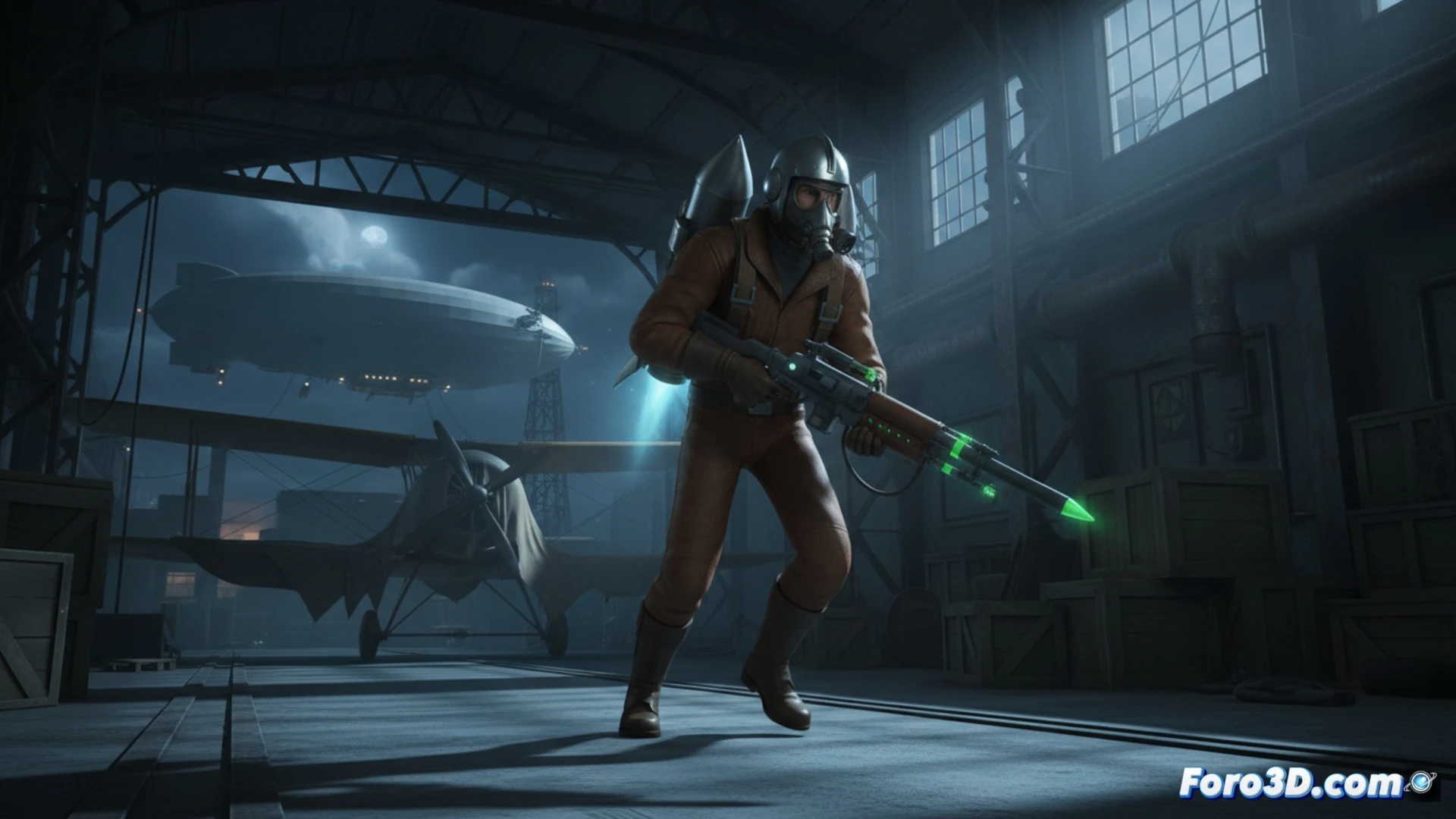
Conceptual art and preproduction: the visual foundations of the adventure 🎨
J. Bone's style, with its clean line and vintage aesthetic, is not just decoration. It defines the narrative atmosphere and the project's visual language, functioning as definitive conceptual art and character design. Each panel is, in essence, a detailed storyboard that establishes angles, composition, and continuity. This phase is analogous to 3D preproduction, where scenarios are modeled, characters are dressed, and sequences are blocked. The espionage plot, with its glamorous locations and aerial action, demands a highly structured visual approach, similar to a movie's previz, to guide the reader cinematically.
Sequential narrative: the graphic script for any adaptation 📖
Projects like Infiltrator demonstrate that the comic is the first visual draft of a possible audiovisual production. The miniseries, with its rhythm and division into acts, operates as an extensive graphic script that tests the story's viability. For 3D artists, analyzing this sequential construction is key. Understanding how an aerial chase is broken down into panels or how a character is introduced is the core of storyboarding, whether in 2D or 3D. This news reinforces the idea that every complex visual creation, from a comic to an animation, shares a narrative previsualization DNA.
How does the evolution of 3D storyboarding influence the adaptation and visual reinterpretation of classic comics like The Rocketeer for new narratives?
(P.S.: Previz in film is like the storyboard, but with more chances for the director to change their mind.)