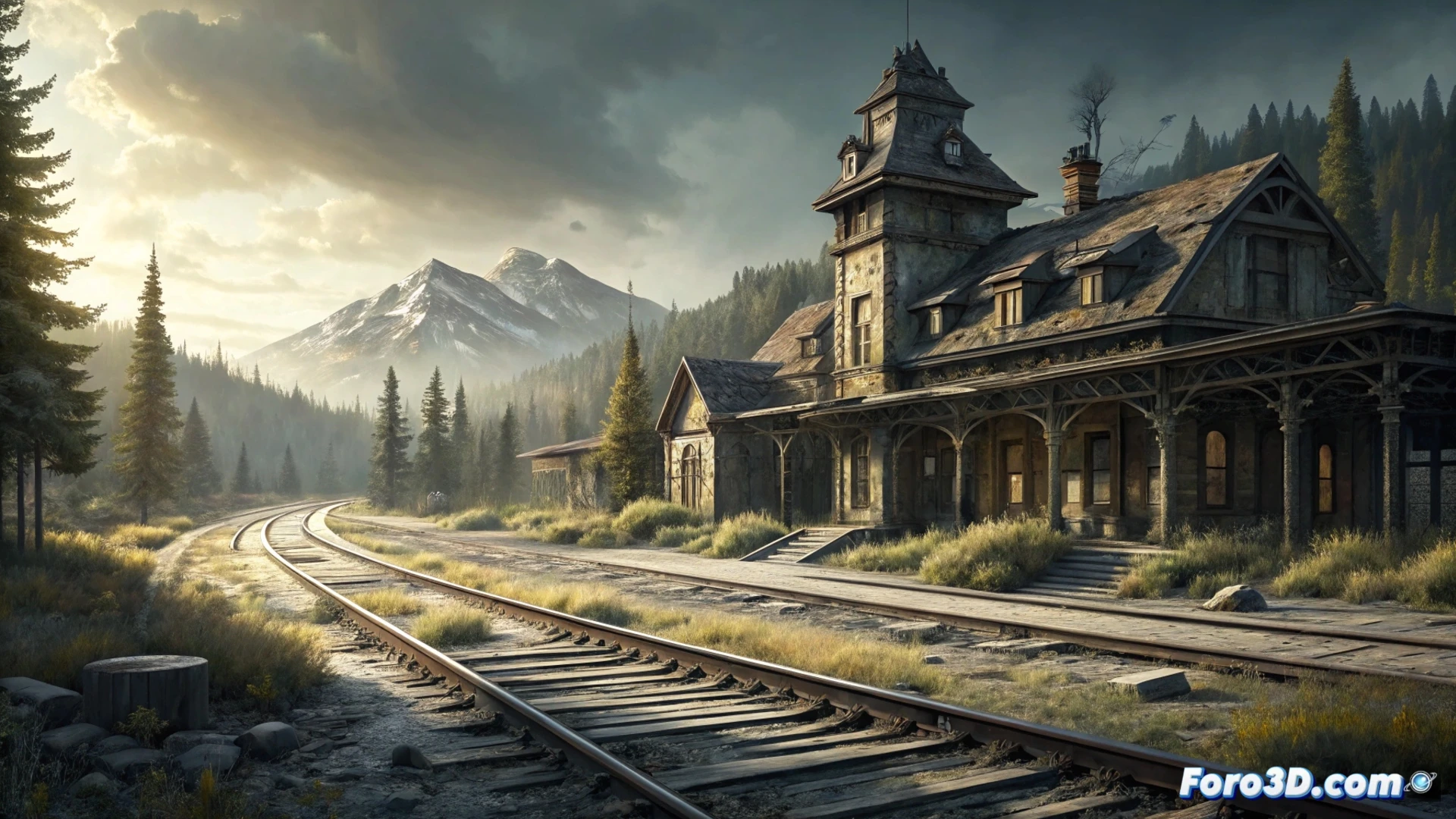
Taylor Sheridan's spin-off series Marshals introduces a significant retcon in the Yellowstone universe. The place known as Train Station, a crucial secret where the Dutton family hid bodies, is now officially designated Death Zone by federal authorities. This change is not just nominal. In the second episode, Kayce Dutton, now a federal marshal, investigates a drug case in that same area, forcing him to confront his family's criminal legacy. The modification deeply alters the perception of the past and establishes that this territory was always a known point for the law, rewriting the continuity of the original series. 🎬
Recontextualization as a tool for universe expansion 🔄
This retcon exemplifies a key narrative technique in creating spin-offs: retroactive recontextualization. In Yellowstone, the Train Station was a symbol of the Duttons' dark and isolated power, a well-guarded secret. By renaming it Death Zone and stating that it is widely known, Sheridan expands the fictional world. The law was always aware, which rewrites the previous history and generates new dramatic tensions. This move allows the spin-off to appropriate an iconic element, giving it a new narrative function while respecting, but modifying, its essence. Additionally, it confirms details such as John Dutton's official suicide and Jamie's escape, consolidating a new continuity line that serves as a base for future stories, demonstrating visual and narrative planning that seeks coherence within a controlled expansion.
Narrative planning in serialized universes 📜
The Marshals case underscores the importance of meticulous pre-production in television franchises. A retcon is not a mere whim, but a decision that affects the coherence of the expanded universe. Changing the nature of a key place forces writers to reevaluate characters' previous motivations and knowledge, as seen in Kayce's unease. This demands a delicate balance between innovating for the new series and maintaining plausibility with what was established. The success of these tools depends on the change enriching the mythology, offering new layers of interpretation without completely invalidating the original narrative experience.
What do you think about this development?