Previsualization and 3D Storyboarding: Rewriting the Visual Dynamics 🎬
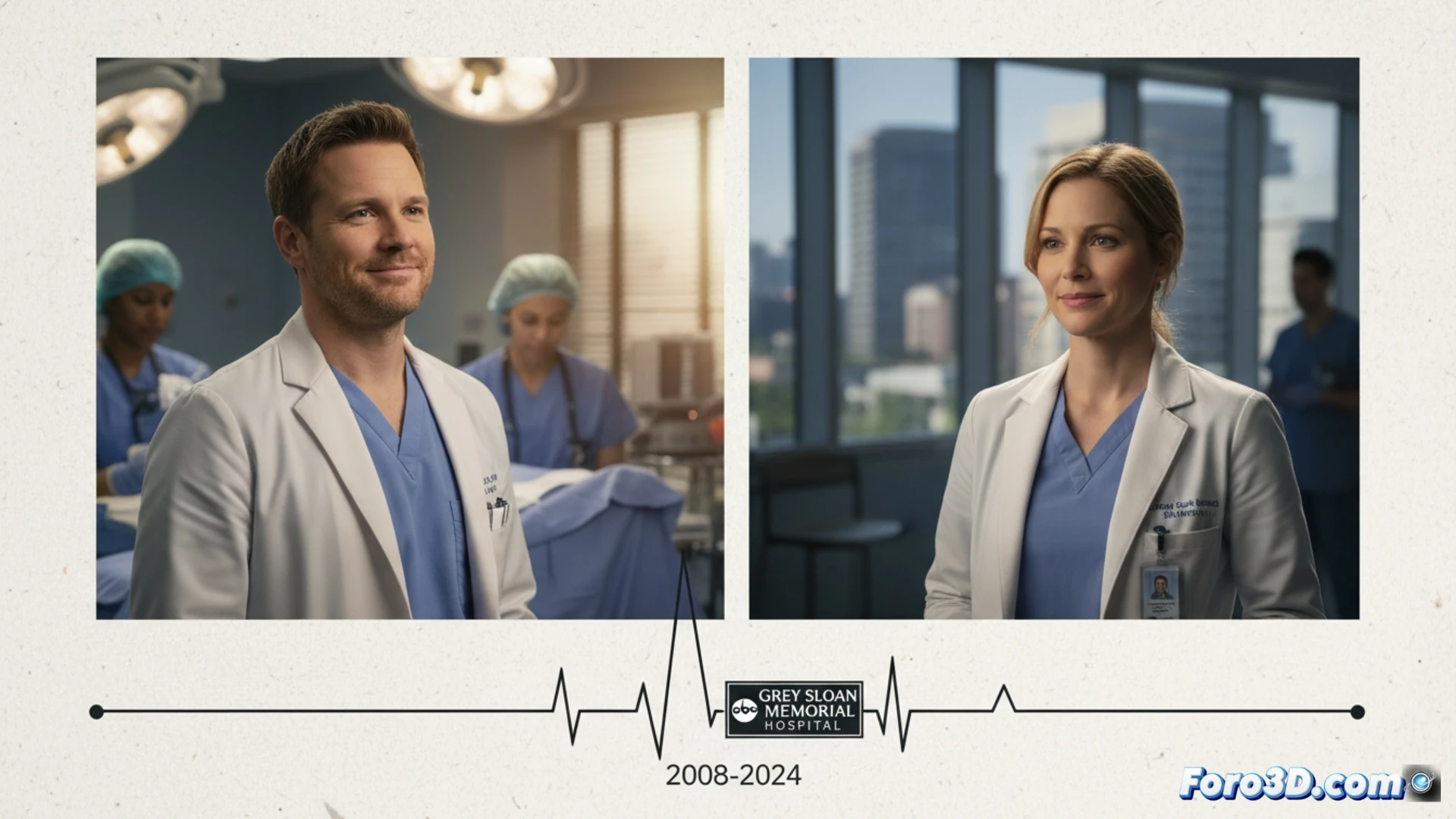
When narrative pillars like Hunt and Altman disappear, the visual structure of the series must be reconfigured without losing coherence. This is where 3D previsualization and dynamic storyboarding become crucial. Direction and writing teams can use these tools to prototype new interactions between the remaining characters, testing scene compositions and emotional flows before filming. This allows planning how to fill the visual and dramatic void, ensuring that transitions do not feel abrupt to the viewer. The technology acts as a safe laboratory to redistribute narrative weight and keep the series' visual identity intact in the face of such a significant change.
The Visual Legacy and the Closure of a Narrative Era 🎞️
The planned departure of a long-standing character is, in itself, an act of visual narrative. Promising a happy ending, as Rhimes indicates, implies designing a farewell sequence that is visually and emotionally satisfying, sealing years of development. This process goes beyond the script; it involves art direction, cinematography, and editing to create a memorable imprint. The challenge is not just writing out the characters, but making their absence become a new layer of the narrative, using visual language to honor their legacy and redefine the series' future without them.
How does the departure of long-standing characters alter the emotional architecture and narrative continuity of a television series?
(P.S.: Previz in cinema is like the storyboard, but with more possibilities for the director to change their mind.)