Scream 7 has stumbled upon a fundamental problem that the saga had managed to avoid: the lack of a credible personal connection between its killers and its main victims. The movie itself points it out through Mindy, recalling that the driving force behind the original Ghostfaces was a direct connection to Sidney Prescott. However, the three killers in this installment lack that crucial bond, resulting in a disappointing reveal and a plot that feels disconnected from the emotional core of the franchise.
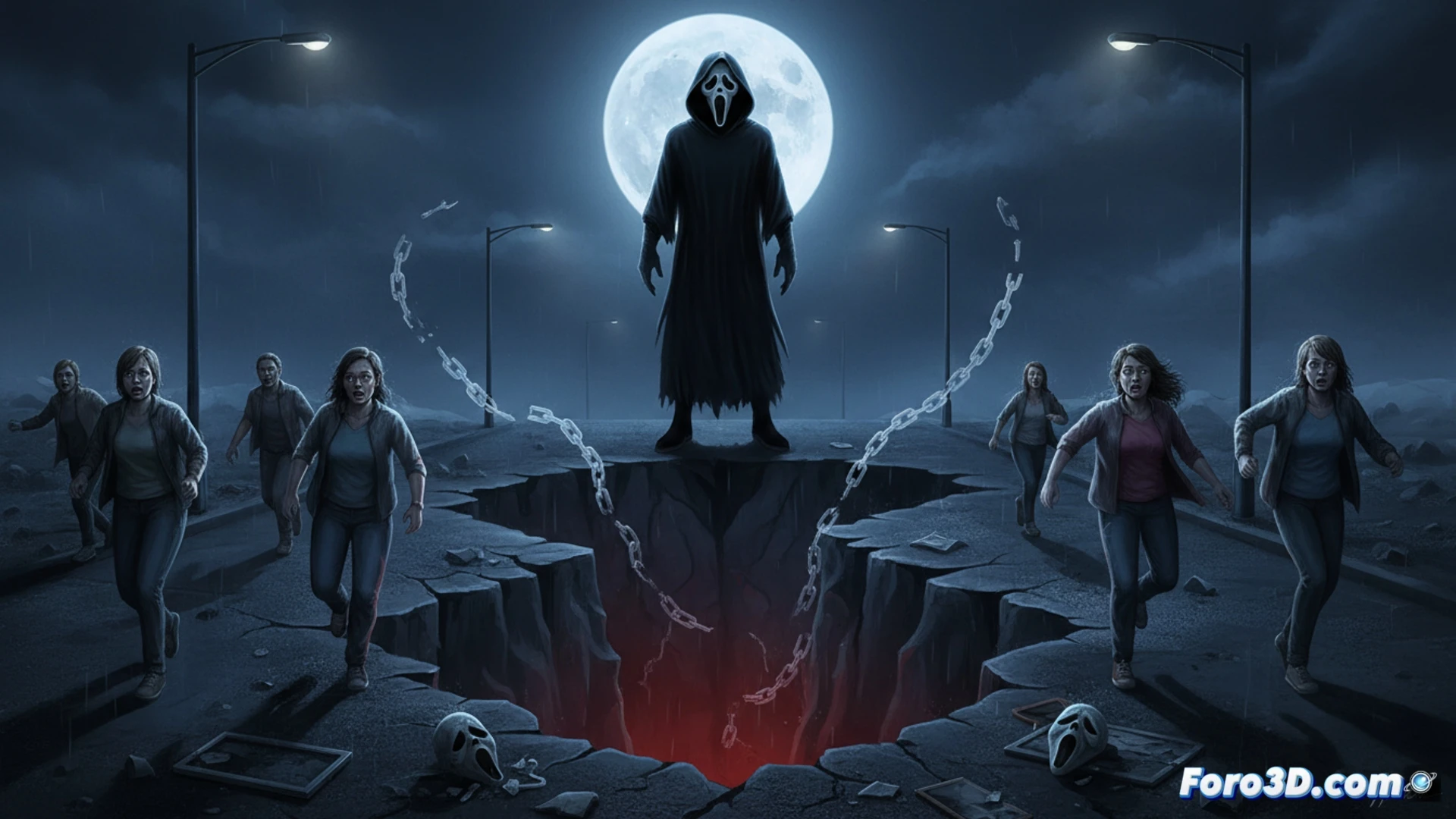
The personal connection as the pillar of the slasher and its visual planning 🔪
In the slasher genre, and especially in Scream, the personal connection is not a detail; it is the backbone of the conflict. It transforms generic horror into intimate trauma and gives weight to the final reveal. Its absence in Scream 7 leaves a narrative void. This is where technical preproduction is key. A detailed storyboard and 3D previs of scenes, not just for action choreography, but to map the emotional bonds between characters, could have identified this weakness. Visualizing the relationship network in early stages would have allowed reinforcing or rethinking the killers' motives, ensuring that every threat was rooted in the shared past with the protagonist.
Recovering the core: writing and previsualization 🎬
The future of the franchise, as the movie suggests, lies in restoring that essential bond. The solution resides in a writing and previsualization phase that prioritizes emotional coherence. Before modeling a scene in 3D, the connection between victim and executioner must be modeled. The visual planning of the narrative, from the storyboard to animatics, must serve to test the strength of these bonds, ensuring that the horror becomes personal again and, therefore, genuinely impactful.
What do you think about this insight?