The Miniature Wife series, exclusive Peacock premiere in April 2026, promises a narrative where the psychological and the visual intertwine. Beyond its plot about the collapse of a relationship, its interest for our community lies in its ambitious technical section. Under the supervision of Ashley Bernes and production by renowned studios like Mavericks VFX and Zoic Studios, the series stands as a case study on how visual effects define the tone and enhance the narrative metaphor in streaming projects.
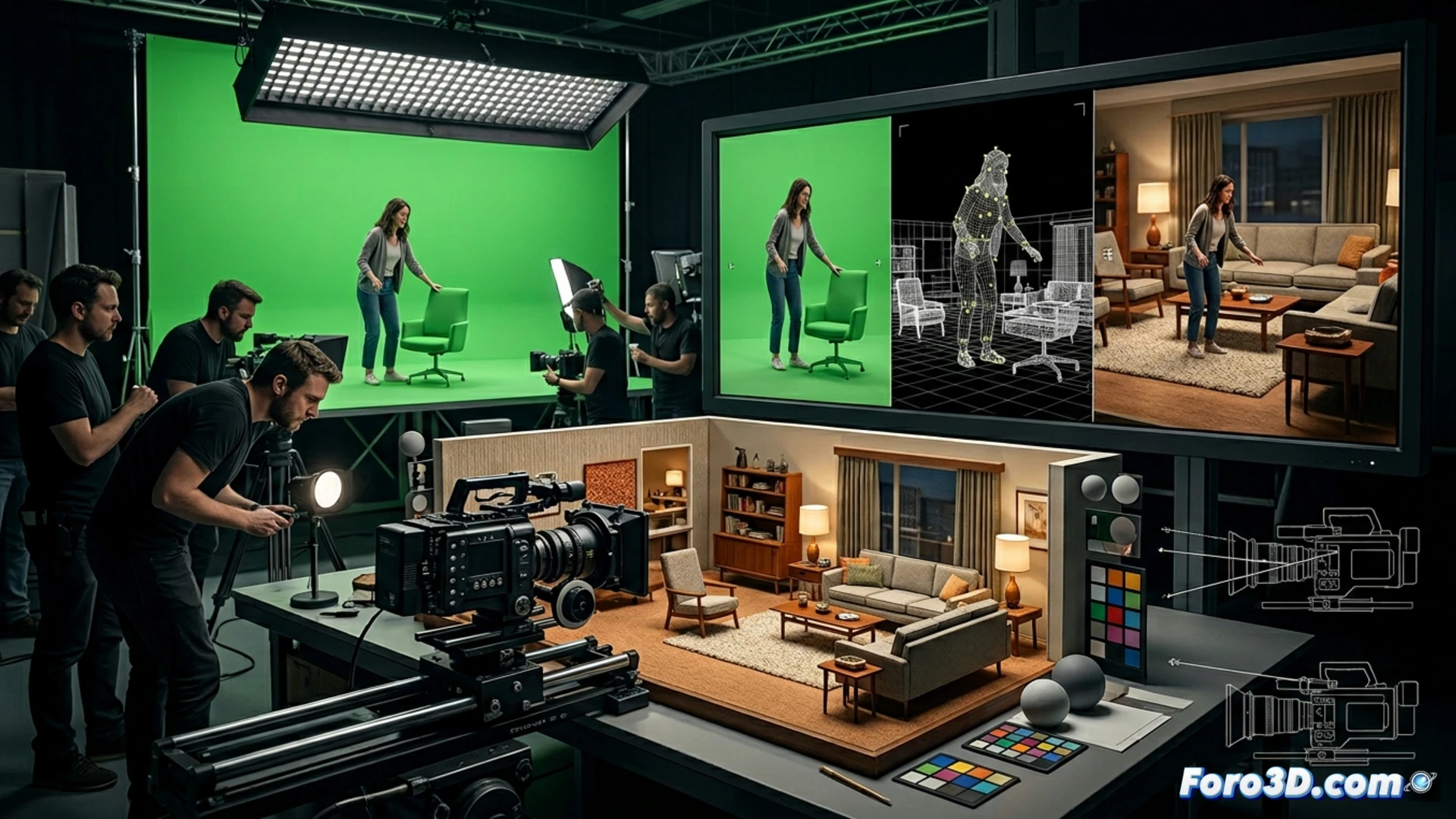
Visual pipeline and effects as narrative 🎬
The direction by Greg Mottola and Bertie Ellwood relies on a coordinated visual pipeline to materialize the central conflict. The premise, which alters the scale and perception of reality, demands perfect integration between practical and digital elements. Studios like Mavericks VFX and Zoic Studios are key here, not only to create fantastic elements, but to sustain psychological tension. Their work will likely span from digital environments and compositing to proportion manipulation, making the distortion of the characters' relationship tangible. This reflects the current trend where VFX is a narrative pillar, not a mere adornment.
The future of streaming production 📺
The Miniature Wife exemplifies the standard of original platform productions: high concept with impeccable technical execution. Early collaboration between direction and VFX supervisors, like Bernes, is crucial for the effects to serve the story and not the other way around. For industry professionals, this series underscores the need for agile pipelines and specialization in integrated effects that work both on the big screen and domestic streaming, where details are scrutinized meticulously.
How are miniaturization visual effects and scaled environments integrated to amplify psychological tension in The Miniature Wife?
(P.S.: Previz in cinema is like the storyboard, but with more chances for the director to change their mind.)