Games like God of War or The Last of Us have managed to eliminate explicit loading screens, maintaining continuous immersion. This achievement is not only narrative but also technical. It is based on the Dynamic Loading or dynamic loading technique, which takes advantage of restricted spaces in level design to, in the background, unload the previous area and load the next one. The player only sees a narrow hallway or a slow animation, while the engine performs the heavy work of memory management without interrupting the experience.
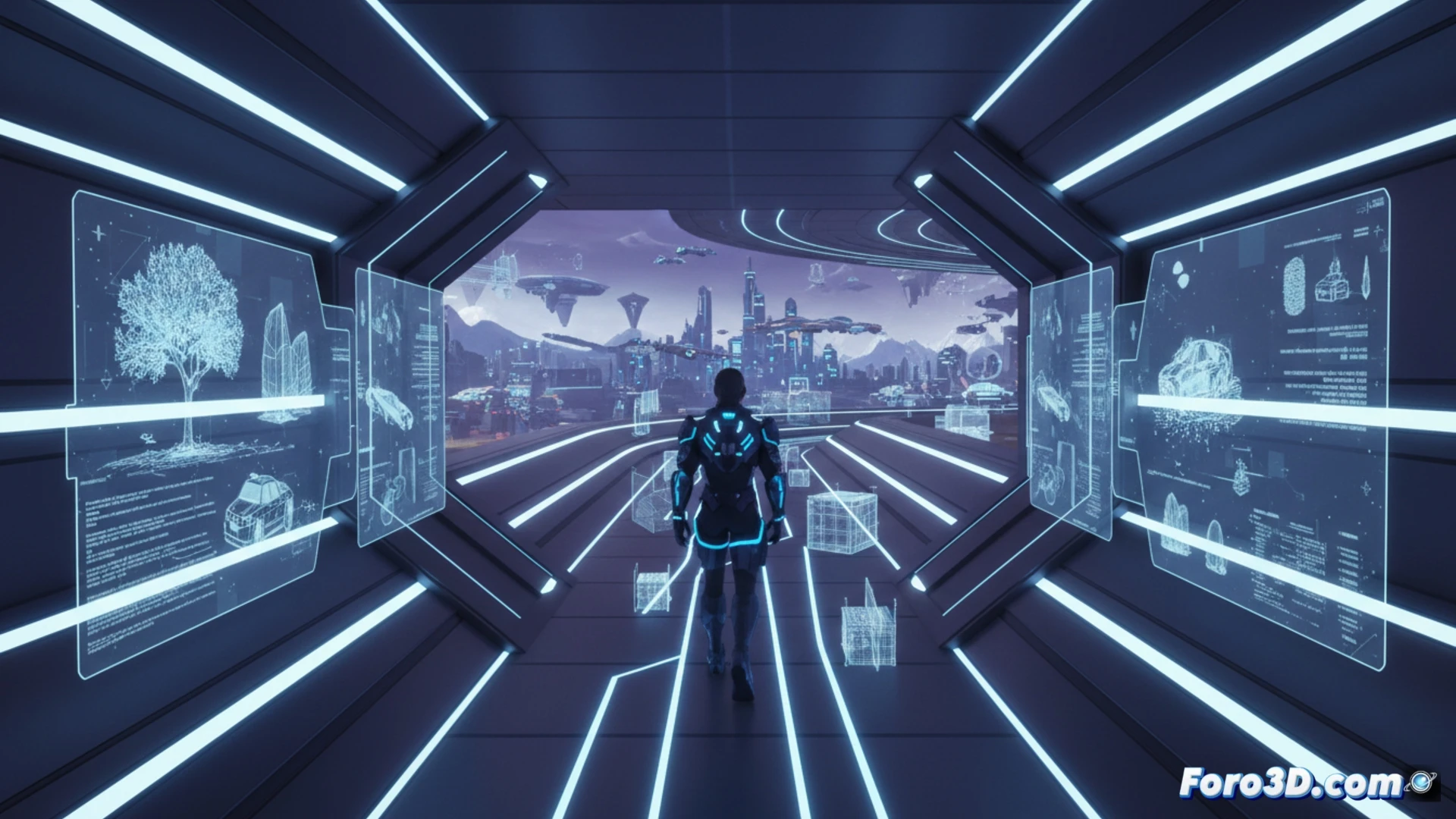
Level design as an optimization tool 🛠️
These intentional bottlenecks, such as cracks, elevators, or bridges that collapse slowly, are critical elements of technical planning. By drastically limiting the field of view and playable area, the engine can deactivate geometry, textures, and logic from the previous section that are no longer visible. Simultaneously, it starts streaming the new assets needed for the area the player is heading to. Engines like Unreal Engine with its level streaming system or Unity with Addressables enable this progressive loading. The level designer and the programmer work together to place these choke points naturally in the narrative, ensuring that the data flow to memory is constant and does not saturate the system's RAM.
The perfect symbiosis between art and technique 🎨
The success of this technique lies in its invisibility. A narrow passage should not feel like a disguised loading screen, but like an organic part of the adventure. This requires deep collaboration between all disciplines. The narrative justifies the space, the art gives it credibility, and the programming takes advantage of it for its hidden work. When executed well, the result is a world that seems vast and continuous, even though it technically loads in manageable fragments, demonstrating that the greatest optimizations are those the player never notices.
How do modern game engines implement masked loading to eliminate loading screens without interrupting gameplay?
(P.S.: a game developer is someone who spends 1000 hours making a game that people complete in 2)