The Leftovers, by Damon Lindelof, transcends the label of post-apocalyptic drama to establish itself as a monumental study on collective grief. Its premise, the instantaneous disappearance of 2% of the population, is not the end, but the starting point to explore the emotional void left by an incomprehensible trauma. The series demonstrates that the boldest serial narrative is the one that prioritizes the psychological truth of its characters over the logical explanation of its mysteries, using every visual resource to immerse us in their confusion and pain.
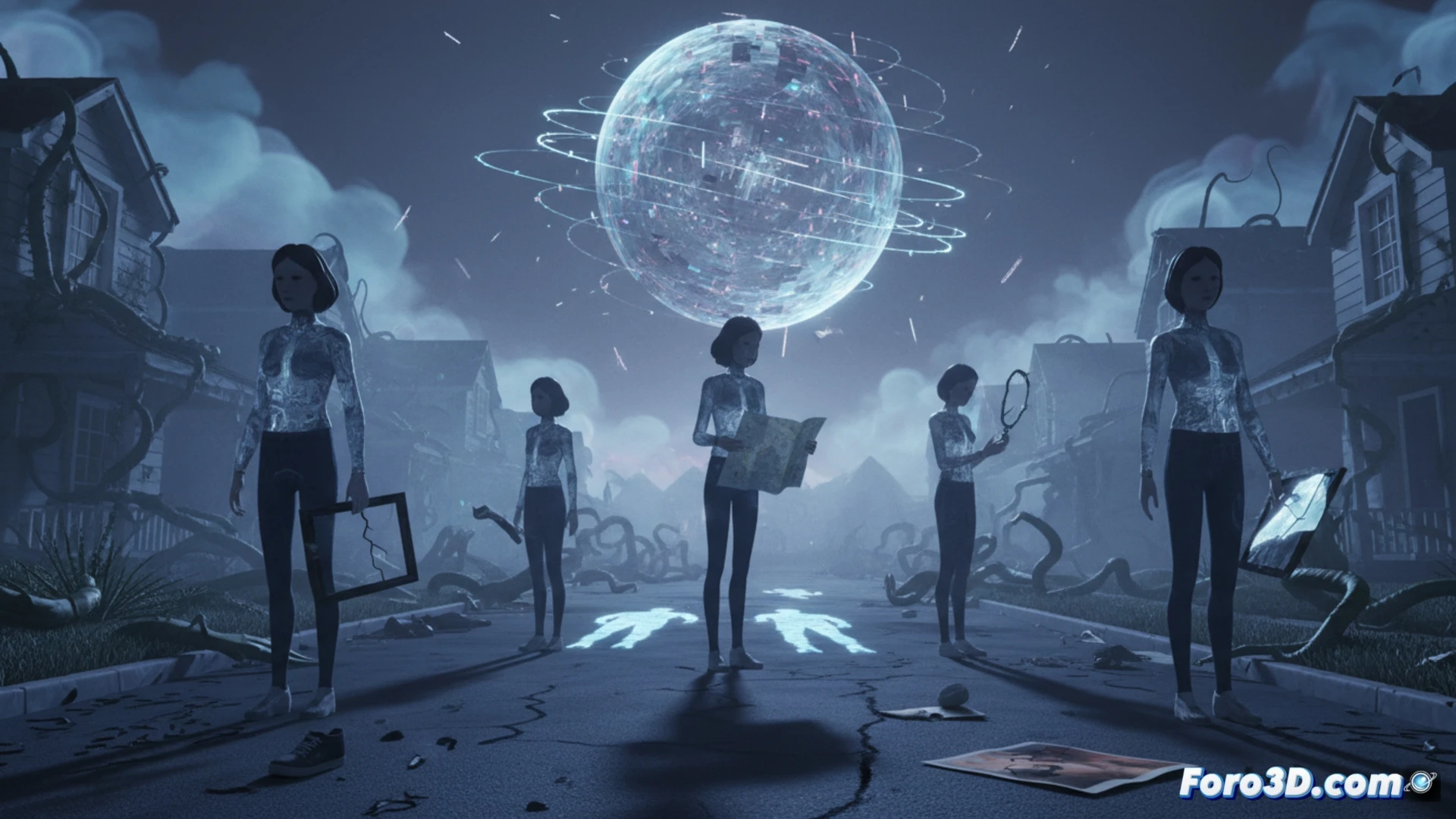
Visual Architecture of the Ineffable: Previs and Emotional Design 🎬
The impact of The Leftovers is meticulously built from its visual language. This is where modern filmmaking tools, such as 3D previsualization and sequence design, become crucial. The planning of claustrophobic frames, the choreography of grieving crowds, or the insertion of subtle supernatural elements require millimeter technical planning. A 3D storyboard not only serves to plan a complex shot, but to calibrate its emotional load: the unsettling composition of Mapleton, the repetition of symbols like smoke or water, and the paused rhythm that allows the trauma to breathe, are decisions that are prototyped and refined to generate tangible narrative anxiety coherent with the characters' mental state.
Legacy: Emotion as the Definitive Special Effect 💔
The enduring legacy of the series lies in its demonstration that the greatest special effects are emotional. By using pre-production technology to serve an intimate and devastating story, it establishes a paradigm: the technical must be invisible, in service of the thematic. The Leftovers is a master case study in how the most rigorous visual planning, which could be used for spectacle, is redirected to create a scorching psychological realism, reminding us that in the most powerful visual narrative, true resonance is born from human vulnerability, not mere artifice.
How can 3D previsualization and the visual language of cinema build a coherent and tangible metaphor to represent abstract and intangible concepts like trauma and collective grief, as achieved in the series The Leftovers?
(P.S.: Previz in cinema is like the storyboard, but with more chances for the director to change their mind.)