The exclusive five-year, $50 million agreement signed by the directors of KPop Demon Hunters with Netflix is not just a million-dollar headline. It represents a turning point in the animation and visual effects industry, where creative talent has traditionally seen its long-term revenue participation in a successful franchise limited. This case studies how an unexpected success can rebalance the power scale in negotiations and establish a crucial precedent on the valuation of intellectual property. 🎬
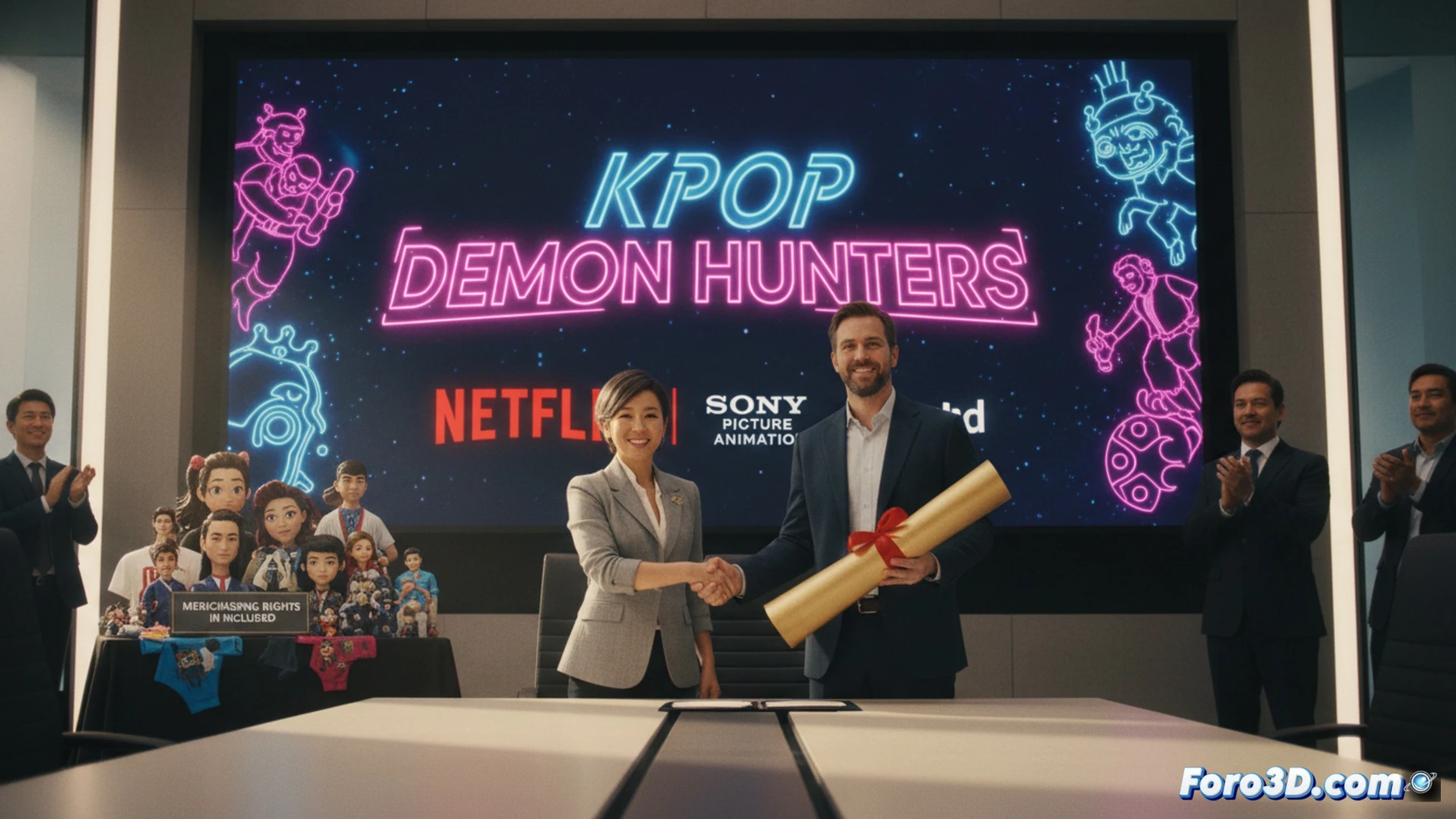
Beyond the fixed salary: merchandising and intellectual property in animation 💰
The technical core of this agreement lies in the inclusion of merchandising revenues, an area historically retained by studios. In animation and VFX, project contracts typically offer fixed or hourly compensation, without rights to the characters, worlds, or concepts created, which become studio property. This model ignores the residual and franchise value generated by intellectual property. The Kang and Appelhans contract breaks that mold, approaching a television producer model, where shares in derived revenues are negotiated. For 3D artists, animators, and designers, it underscores the need to understand and negotiate rights over the digital assets they create, as they are the foundation of all merchandising, sequels, and future licenses.
Lessons for the digital negotiator: prepare the ground from day zero ⚖️
The main lesson for creators is the strategic importance of intellectual property from the initial negotiation. Netflix and Sony did not close terms for sequels before the premiere, forcing them to renegotiate from a position of weakness after the success. For independent professionals or small studios, this means that, although initial bargaining power may be low, clear contractual bases must be established regarding ownership, credits, and possible future participations in success scenarios. It's not just about getting paid for the present work, but ensuring an interest in the future value that your creation may generate.
Can the KPop Demon Hunters contract with Netflix set a legal precedent to protect the intellectual property of digital creators in exclusivity agreements with major platforms?
(P.S.: copyright is like bed leveling: without human intervention, everything comes out crooked)